Trump Files New Lawsuit
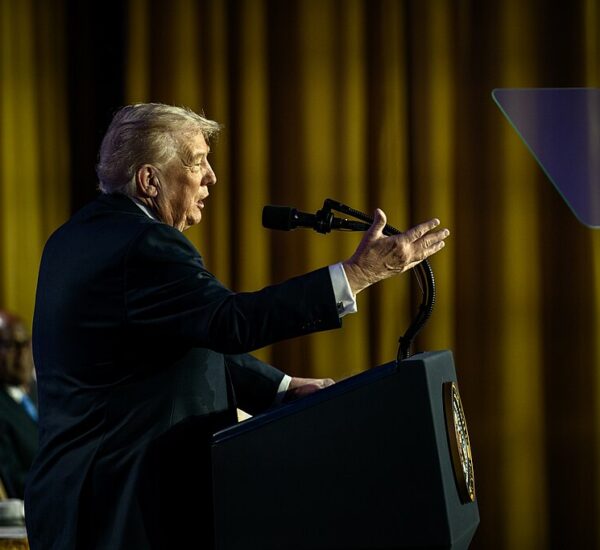
President Donald Trump has filed a defamation lawsuit against Britain’s government-funded BBC, accusing the broadcaster of manipulating video footage to falsely suggest he encouraged violence at the U.S. Capitol on January 6, 2021.
The lawsuit marks a major escalation in Trump’s long-running dispute with legacy media outlets that he says have repeatedly misrepresented his statements for political purposes — including overseas broadcasters that reach a global audience.
Disputed Video Editing at Center of Lawsuit
According to court filings, the BBC aired an edited version of Trump’s January 6 speech that stitched together isolated phrases — such as references to “marching” and “fighting” — while excluding remarks in which Trump explicitly called for supporters to act peacefully and respect law enforcement.
Trump’s attorneys argue that the selective editing produced a misleading narrative that portrayed him as urging violent action, despite the full transcript showing otherwise.
The contested clip appeared in a Panorama documentary released shortly before the 2024 presidential election, raising additional concerns about political timing and editorial intent.
BBC Acknowledges Error, Refuses Legal Responsibility
The BBC has since admitted that the editing reflected an error in judgment and issued an apology acknowledging the segment may have conveyed a false impression. However, the broadcaster maintains that Trump has no legal grounds to pursue damages.
Because the BBC is funded through mandatory television license fees paid by British citizens, any financial settlement could quickly become a politically charged issue in the United Kingdom.
Internal Fallout at the BBC
The controversy has triggered one of the most serious internal crises in the BBC’s century-long history. The network has confirmed it will not rebroadcast the documentary and has faced mounting scrutiny following the resignations of two senior executives connected to the program’s oversight.
Public confidence in the broadcaster has been further shaken after a confidential memo from an external standards adviser was leaked. The memo reportedly raised concerns about editorial practices and political neutrality at the publicly funded network.
Why Trump Filed the Case in U.S. Court
Although the documentary did not air on American television, Trump filed the lawsuit in the United States. Under British law, defamation claims typically must be brought within one year of publication — a deadline that has already passed.
U.S. law sets a higher bar for public figures. To succeed, Trump must show that the BBC broadcast false information and did so knowingly or with reckless disregard for the truth.
Legal experts say the BBC is expected to argue that the documentary was substantially accurate and that its editing choices did not materially distort Trump’s remarks or harm his reputation.
Media Accountability Lawsuits Continue
The BBC lawsuit follows a series of legal actions Trump has taken against major media organizations. In recent years, CBS and ABC reached settlements with Trump after defamation disputes related to coverage following his 2024 election victory.
Additional lawsuits against The New York Times, The Wall Street Journal, and an Iowa newspaper remain ongoing. All outlets have denied wrongdoing.
Supporters argue the cases highlight growing concerns over media accountability, selective editing, and the influence of taxpayer-funded broadcasters on international political narratives.