GOP Can’t Afford 2nd Shutdown
As lawmakers race toward a late-January funding deadline, veteran political analyst Frank Luntz is warning that a government shutdown tied to health care policy could have serious political consequences—especially for Republicans.
During a recent television interview, Luntz said history shows that shutdowns often backfire on the party perceived as blocking solutions, particularly when rising health care costs are involved.
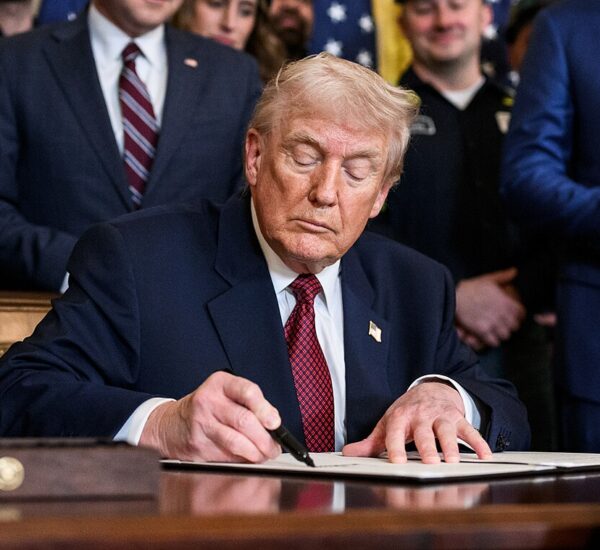
According to Luntz, the last extended government shutdown initially appeared to damage Democrats politically but ultimately caused the most harm to Donald Trump, largely because voters associated Washington dysfunction with higher everyday costs.
Voters Focus on Costs, Not Politics
Recent polling underscores that concern. Surveys show that Americans enrolled in Affordable Care Act plans are increasingly frustrated with rising insurance premiums and uncertainty surrounding expiring subsidies.
In one widely cited poll, a significant portion of respondents said they blamed President Trump for failing to extend certain health care subsidies, while others pointed to Republicans in Congress or Democrats. The common theme, Luntz noted, is that voters are less interested in partisan blame and more focused on affordability.
Another poll found that an overwhelming majority of enrollees want Congress to take action to prevent premium increases—an issue that resonates strongly with older Americans living on fixed incomes.
Health Care Affordability Drives Voter Anger
Luntz emphasized that health care has become a cost-of-living issue rather than an ideological debate.
Millions of Americans, he said, are struggling to pay for insurance, prescriptions, and routine medical care. When government gridlock threatens to make those costs worse, frustration quickly turns into political backlash.
Polling consistently shows that Americans are open to any solution—public or private—that lowers costs without sacrificing quality or choice.
Congress Divided as Deadline Approaches
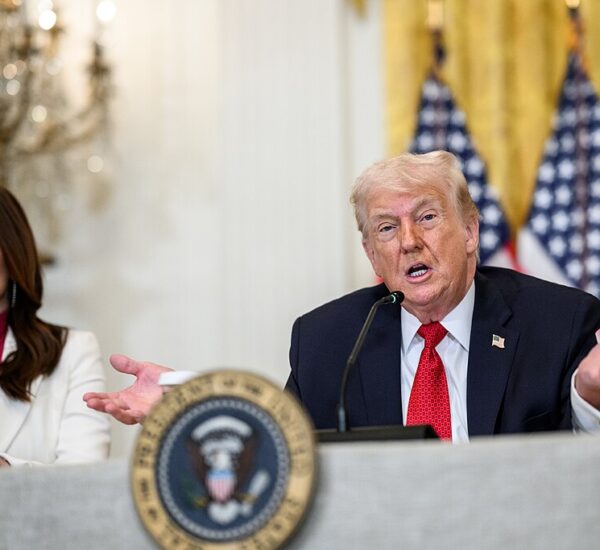
On Capitol Hill, Republicans remain divided over how to address expiring health care subsidies. President Trump has advocated for a more direct approach, favoring targeted assistance rather than expanding large federal programs.
Despite ongoing negotiations, lawmakers remain at an impasse as the end-of-January funding deadline approaches. Some Democrats have openly acknowledged that a shutdown is possible if health care demands are not met.
For voters already dealing with inflation and higher insurance premiums, that uncertainty is fueling growing dissatisfaction with Washington.
A Warning for Both Parties
Luntz argues that both parties risk misjudging public sentiment by focusing on ideology instead of outcomes.
Voters, he said, do not want health care dictated by government bureaucracies or insurance company executives. They want affordable care, trusted doctors, and predictable costs.
If Congress fails to act and a shutdown occurs, Luntz warns the political fallout could be swift—particularly for the party perceived as standing in the way of relief.
As January approaches, the message from voters is increasingly clear: fix the cost problem, or face the consequences at the ballot box.