Crenshaw Sides With Trump
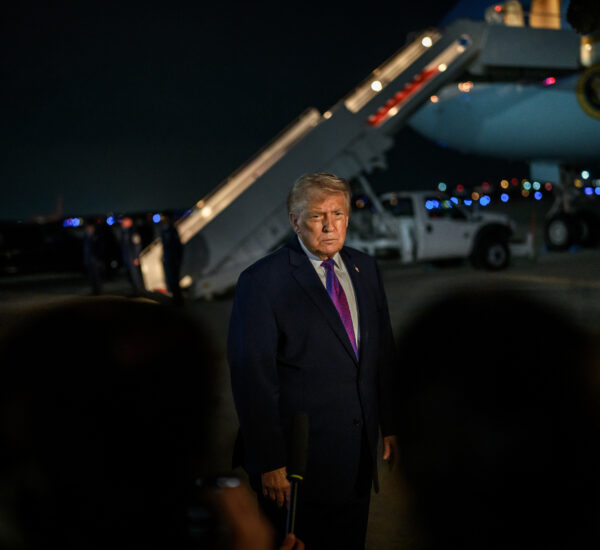
As tensions in the Middle East remain a top concern for many Americans, Rep. Dan Crenshaw is voicing firm support for President Donald Trump and his diplomatic strategy toward Iran.
In an interview with Newsmax on The Record With Greta Van Susteren, the Texas Republican made it clear: diplomacy should be exhausted first — but it must be backed by undeniable American strength.
For voters concerned about national security, energy stability, and global peace, this approach may sound familiar.
Trump Administration Pursues Diplomacy With Iran — But From a Position of Strength
When asked what potential U.S. targets might be if conflict were to erupt, Crenshaw deferred to the president.
“That’s a question for the president,” he said, noting that negotiations are currently unfolding.
Crenshaw emphasized that the administration is allowing diplomatic channels to operate — a move consistent with President Trump’s long-standing philosophy of “peace through strength.”
Unlike prior agreements, however, Crenshaw insists that this time must be different.
Lessons From the Obama Iran Deal
Crenshaw, a member of the House Intelligence Committee and former Navy SEAL who served in Iraq and Afghanistan, warned against repeating what he sees as the shortcomings of the Obama-era nuclear agreement under Barack Obama.
According to Crenshaw, limiting negotiations to nuclear facilities alone would be a mistake.
He argues that any serious Iran agreement must address:
- Iran’s ballistic missile program
- Support for proxy militias across the Middle East
- Internal repression and treatment of its own citizens
By broadening the scope, the U.S. avoids what many conservatives believe was a major flaw in previous negotiations.
A Stronger Negotiating Position Than Before
Crenshaw also pointed out that the global power dynamic today differs significantly from prior administrations.
He suggested Iran understands that the United States has both the capability and the willingness to act if Tehran moves closer to acquiring a nuclear weapon.
Additionally, he referenced recent U.S. actions involving Venezuela leader Nicolas Maduro and his wife Cilia Flores, who were brought to the United States to face federal charges.
According to Crenshaw, actions like these shift the global balance and demonstrate American resolve.
“That changes the power dynamic,” he said.
Is Military Action on the Table?
While strongly backing diplomacy, Crenshaw acknowledged that all options remain available if negotiations fail.
However, he stressed that President Trump’s pattern has consistently been to pursue peaceful solutions before escalating.
For many conservative voters, this balance between restraint and readiness represents steady leadership rather than recklessness.
What About Iran’s Supreme Leader?
When asked about a potential strike against Iran’s Supreme Leader, Ali Khamenei, Crenshaw urged caution.
He noted the intelligence challenges involved in targeting such a highly protected individual and questioned whether removing one leader would necessarily dismantle the broader regime structure.
Such decisions, he indicated, require serious strategic evaluation.
Peace Through Strength: A Core Conservative Principle
Crenshaw concluded by expressing confidence that President Trump will not be misled in negotiations.
He emphasized that strength must remain central to diplomacy — a philosophy that has long resonated with conservative voters concerned about national security, border security, and America’s standing on the world stage.
As talks continue, one thing appears certain: this administration intends to negotiate from a position of leverage, not concession.
Why This Matters for American Families
For Americans watching energy prices, retirement accounts, and global stability, foreign policy decisions are not abstract debates — they have real economic and security consequences at home.
The coming weeks could shape not only Middle East stability, but also America’s geopolitical influence for years to come.