Economist Calls Trump A Fool?
Liberal economist Paul Krugman is criticizing President Trump’s Venezuela strategy, arguing that the country’s oil industry will not deliver the massive financial gains the president has suggested.
Krugman made the remarks Wednesday in a post on his Substack, responding to President Trump’s announcement that U.S. energy companies would play a central role in managing Venezuela’s oil production following the removal of longtime authoritarian leader Nicolás Maduro.
Krugman Questions Oil Windfall Claims
According to Krugman, President Trump’s public comments after Maduro’s capture focused heavily on oil and energy production rather than political reform. He noted that Trump repeatedly emphasized reclaiming Venezuela’s oil resources, framing them as assets the United States should have secured years ago.
Krugman argued that while the administration has denied launching a traditional “war for oil,” the economic expectations being promoted are unrealistic. In his view, the enormous wealth some believe is sitting in Venezuela’s oil fields is largely an illusion.
Venezuela’s Oil Reserves Explained
Venezuela is often cited as holding the world’s largest proven oil reserves, but Krugman claimed those figures are misleading. He argued that much of the country’s oil is extra-heavy crude that was later reclassified as “proven,” significantly inflating reserve estimates on paper.
Krugman referenced economist Torsten Slok, who has previously explained that much of Venezuela’s oil is expensive to extract, difficult to refine, and offers relatively low recovery rates compared to conventional crude.
Energy Markets and Production Costs
Krugman also pointed to changes in global energy markets, particularly the rise of U.S. shale production, which has kept oil prices relatively low. He estimated that Venezuela’s production costs would require prices near $62 per barrel just to break even, leaving limited profit potential for private companies.
Based on these factors, Krugman concluded that even under U.S. oversight, Venezuela’s oil industry may not generate the financial returns President Trump has suggested.
President Trump’s Vision for Venezuela
President Trump has strongly disagreed with that assessment.
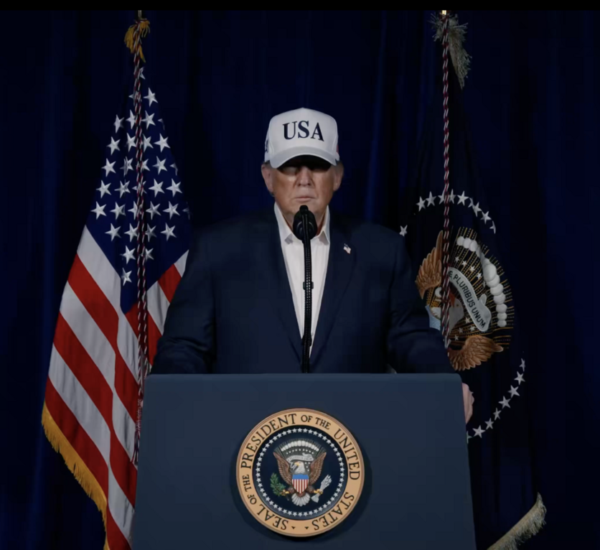
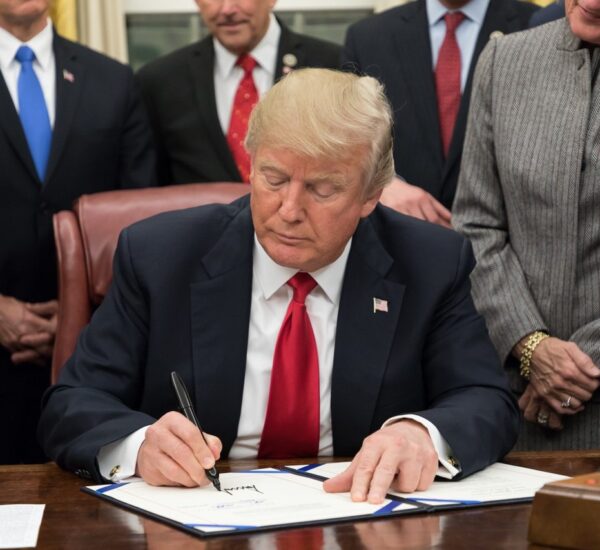
Earlier this week, Trump announced that Venezuela would transfer between 30 million and 50 million barrels of oil to the United States. Writing on Truth Social, the president said the oil would be sold at market prices, with proceeds overseen by the U.S. government to benefit both Venezuelan citizens and Americans.
Trump also stated that the oil would be transported directly to U.S. ports using storage vessels, with assistance from Energy Secretary Chris Wright.
Oil at the Center of U.S. Strategy
Oil has been a central part of President Trump’s broader plan to stabilize Venezuela following U.S. military action that resulted in Maduro’s capture and strikes on key government targets in Caracas.
The president has repeatedly accused the former Venezuelan government of exporting drugs into the United States and has labeled Maduro’s regime a terrorist cartel.
According to Trump, restoring Venezuela’s oil infrastructure would help repair the country’s economy, rebuild damaged facilities, and generate long-term revenue.
Lawmakers Divided on Next Steps
Reaction on Capitol Hill has been mixed.
Sen. Markwayne Mullin (R-Okla.) said democratic elections would take time but emphasized that a detailed stabilization plan exists.
Democrats have raised concerns. Rep. Debbie Wasserman Schultz (D-Fla.) said she was troubled by what she described as a lack of emphasis on democratic restoration, arguing that U.S. involvement should extend beyond energy production.