Supreme Court Gives Trump Election Win
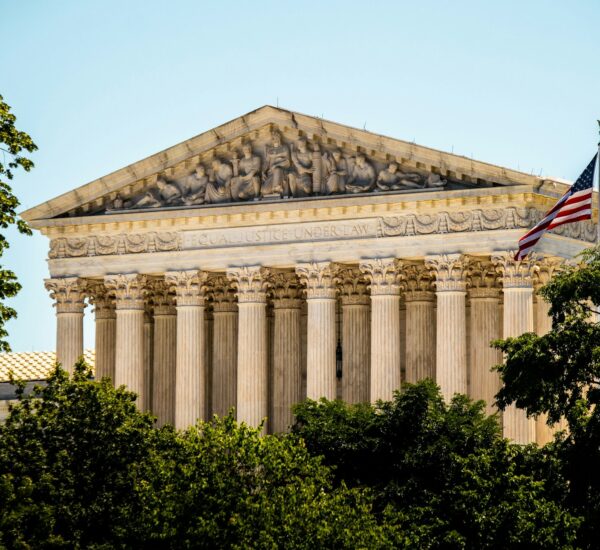
The Supreme Court of the United States issued a major ruling Wednesday that could reshape how election laws are challenged across the country, strengthening the legal rights of political candidates to question how votes are counted.
In a 7–2 decision, the Court ruled that Illinois Congressman Mike Bost, a Republican, has the legal standing to sue his state over its practice of counting mail-in ballots that arrive after Election Day.
The ruling does not decide whether Illinois’ ballot policy is lawful. Instead, it allows Bost’s lawsuit to move forward after lower courts dismissed the case on procedural grounds.
Candidates Have a Stake in Election Rules
Chief Justice John Roberts, writing for the majority, said candidates are not detached observers when it comes to elections in which they are competing.
He explained that candidates have a direct interest in how election results are determined and perceived, regardless of whether they ultimately win or lose.
According to the Court, election procedures that do not follow the law can harm candidates in multiple ways — including financial costs, reduced voter confidence, and damage to the legitimacy of the outcome.
Roberts noted that public trust in elections suffers when rules are inconsistently applied or unclear, which can undermine confidence in elected officials.
Lower Courts Were Overruled
Lower courts had ruled that Bost lacked standing because the number of late-arriving ballots was unlikely to affect the outcome of his election.
The Supreme Court rejected that reasoning, saying candidates can be harmed even when election rules do not change the final result.
The Court emphasized that the case focuses narrowly on who has the right to bring legal challenges — not on the substance of the Illinois law itself.
Potential National Impact
By allowing the lawsuit to proceed, the ruling could make it easier for candidates nationwide to challenge election procedures in court.
Illinois officials argued that such lawsuits could burden election administrators. More than a dozen states, along with Washington, D.C., currently allow mail-in ballots to be counted after Election Day if they are postmarked on time.
Dissent Raises Concerns
Justices Sonia Sotomayor and Ketanji Brown Jackson dissented, warning that the decision could expand the courts’ role in election-related disputes.
Justice Jackson argued that an interest in fair elections is shared by all voters and cautioned against loosening traditional limits on who can file lawsuits.
Majority Responds
The majority dismissed concerns that the ruling would encourage frivolous lawsuits, noting that candidates are unlikely to spend time and money on cases without a solid legal basis.
The Court also clarified that its decision applies only to challenges involving vote-counting rules in a candidate’s own election.
Separate Opinion on Costs
Justices Amy Coney Barrett and Elena Kagan agreed with the outcome but offered different reasoning.
They said Bost demonstrated a concrete financial burden, including expenses related to monitoring ballot counting after Election Day, which independently justified his right to sue.
Trump Administration Supported the Case
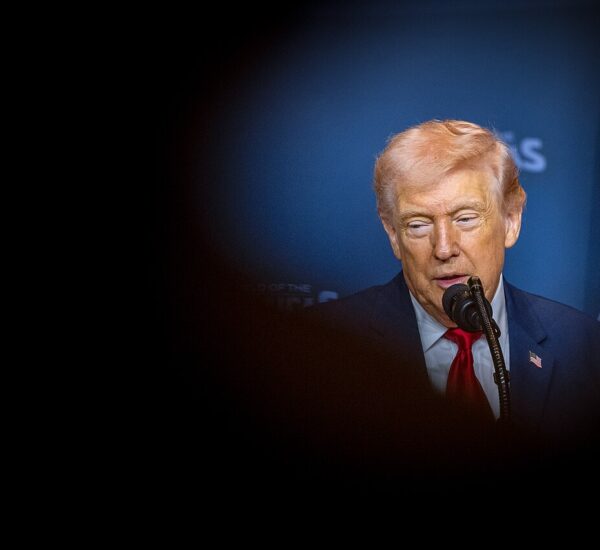
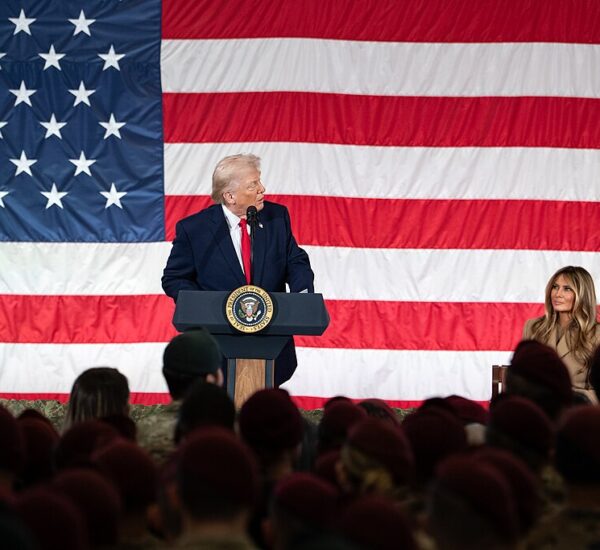
The Trump administration supported Bost’s position. President Donald Trump has repeatedly stated that ballots should be both cast and received by Election Day.
Earlier this year, Trump signed an executive order reinforcing that position. The order is currently being challenged in court.
Two Republican presidential electors from Illinois joined the lawsuit, which is being handled by a conservative legal watchdog organization.
The Supreme Court noted that only one plaintiff needs legal standing for a case to proceed and did not rule on the electors’ status.
Reaction From Republicans
Bost, who has represented southern Illinois since 2014 and now chairs the House Veterans’ Affairs Committee, called the ruling an important first step.
He said the case highlights the importance of maintaining clear and lawful election procedures.
The Republican National Committee praised the decision, calling it a victory for accountability and transparency in elections.
Party officials said the ruling confirms that candidates have the right to challenge election rules that directly affect their races.