
2 Democrats Help Trump In Huge Way
President Donald Trump scored another major victory in Washington after two Democratic senators joined Republicans to advance Kevin Warsh, his nominee to lead the Federal Reserve System.
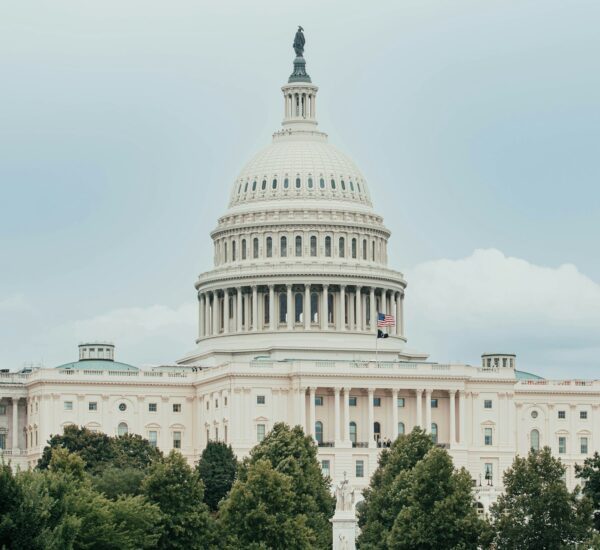
The Senate voted 49-44 on Monday to move Warsh’s nomination forward, putting him on track for final confirmation later this week. If confirmed, Warsh will succeed Jerome Powell, whose term officially ends on Friday.
For Americans concerned about inflation, interest rates, and the value of their retirement savings, this development could have significant economic implications.
Two Democrats Cross the Aisle
The only Democrats who voted with Republicans were John Fetterman and Chris Coons.
Their votes gave Trump’s nominee bipartisan backing and highlighted growing divisions within the Democratic Party.
No Republican senators opposed the procedural vote.
The result marks another example of President Trump successfully building support for his agenda, even among lawmakers on the other side of the aisle.
Who Is Kevin Warsh?
Warsh, 56, is a veteran economist and former Federal Reserve governor who served from 2006 to 2011.
During his previous tenure, he developed a reputation as a firm advocate for controlling inflation and maintaining a strong U.S. dollar.
Many market observers view him as a disciplined policymaker who favors sound monetary policy and financial stability.
His return to the Federal Reserve comes at a critical time as Americans continue to grapple with elevated prices and uncertainty over future interest rates.
Why This Matters to Retirees and Investors
The Federal Reserve has enormous influence over the economy. Its decisions affect:
- Mortgage rates
- Credit card interest
- Savings account yields
- Stock market performance
- Inflation
- Social Security purchasing power
For older Americans living on fixed incomes, inflation can quietly erode financial security. Even modest price increases can significantly affect household budgets over time.
Supporters believe Warsh’s experience and inflation-focused approach could help restore confidence in monetary policy and protect the long-term value of the dollar.
Thom Tillis Delayed the Nomination
Thom Tillis initially postponed Warsh’s nomination, saying he wanted confirmation that a Justice Department inquiry involving Powell and the Federal Reserve had been resolved.
After receiving those assurances, Tillis announced he would support moving the nomination forward.
That decision cleared one of the final obstacles to Warsh’s confirmation.
Fetterman Continues to Distance Himself From Democrats
Senator Fetterman has increasingly separated himself from his party on several major issues, including:
- Border security
- Support for Israel
- Government shutdowns
- Fiscal policy
In a recent interview with Bill Maher, Fetterman said he feels increasingly isolated within the Democratic Party.
He explained that he has voted against his own caucus when he believed its actions would create unnecessary dysfunction in Washington.
Other Trump Nominees Fetterman Has Supported
Fetterman has also voted in favor of several other Trump nominees, including:
- Markwayne Mullin
- Pam Bondi
These decisions have fueled speculation that some Democrats are becoming more willing to support parts of Trump’s agenda.
A Potential Turning Point for Economic Policy
If confirmed, Warsh will assume one of the most influential economic roles in the world.
His leadership could shape U.S. monetary policy for years to come, influencing everything from inflation and borrowing costs to retirement accounts and economic growth.
For conservatives, the nomination represents an opportunity to install a proven inflation hawk at the nation’s central bank.
President Trump Strengthens His Economic Team
With bipartisan support now in place, President Trump appears poised to secure another key appointment.
For Americans concerned about rising costs, interest rates, and the long-term strength of the economy, Warsh’s confirmation may signal a renewed focus on fiscal discipline and protecting the value of the U.S. dollar.
As the final Senate vote approaches, investors, retirees, and taxpayers across the country will be watching closely.


“Trump Says Obama Should Be Arrested For Treason, You Support This?”
can i say “ABSOLUTELY” loud enough??!! i’ve posted a number of times on different venues demonstrating the MANY TIMES that obama has committed t r e a s o n . his arrest/trial is looooonnnnnnggggg overdue!!