Macron Issues Warning To Trump
The U.S. Supreme Court issued a significant ruling this week addressing the scope of presidential authority over tariffs — but President Donald Trump is signaling that America’s trade strategy will continue without interruption.
French President Emmanuel Macron responded quickly, urging restraint and warning against overreacting to what some initially described as a legal setback for the Trump administration’s tariff framework.
However, developments in Washington suggest the broader trade agenda remains firmly intact.
What the Supreme Court Actually Decided
The Court’s decision focused on limits surrounding presidential authority under existing trade and emergency powers statutes. While the ruling narrowed parts of the administration’s earlier tariff approach, it did not eliminate the executive branch’s ability to impose tariffs altogether.
Administration officials maintain that alternative legal pathways remain available. In practical terms, the ruling reshapes the legal framework — but does not end the strategy.
For investors, retirees, manufacturers, and small business owners, that distinction matters.
President Trump Announces New Tariff Plan
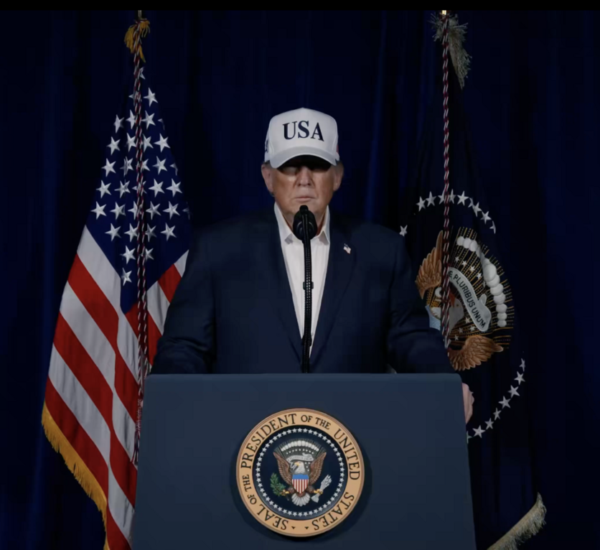
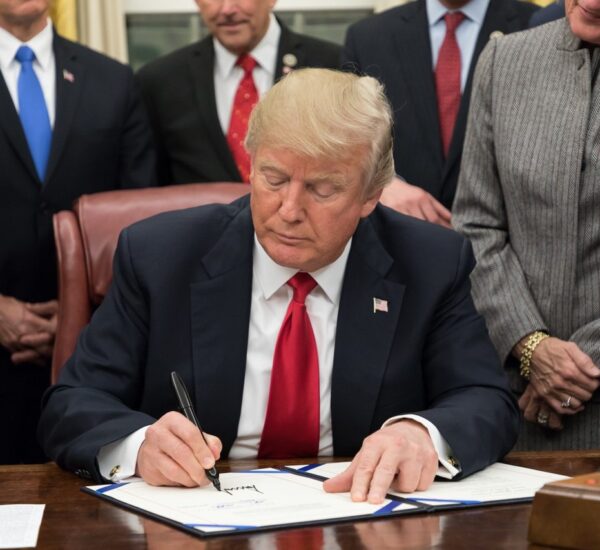
Within hours of the decision, President Trump signed an executive order introducing a 10% global tariff. Soon after, he announced an increase to 15%, stating the revised rate is legally sound and properly structured.
The President described the move as part of a broader effort to:
- Reduce long-standing trade deficits
- Strengthen domestic manufacturing
- Protect American workers
- Rebalance trade agreements
- Increase leverage in negotiations
Supporters argue the approach prioritizes American economic sovereignty after decades of trade imbalances.
Macron Warns of Global Trade Tensions
Speaking at the Paris International Agricultural Show, President Macron advised against rushing to conclusions. He emphasized that Europe is closely studying potential economic consequences and preparing to adapt as needed.
European officials are now evaluating whether countermeasures, negotiated agreements, or diplomatic engagement will follow.
Higher tariffs can influence:
- Transatlantic trade relationships
- Global supply chains
- Commodity pricing
- Manufacturing costs
- Consumer goods prices
Markets typically respond cautiously during periods of trade uncertainty.
Why This Matters for American Workers and Retirees
For Americans over 50 — especially those monitoring retirement accounts, pensions, or small business operations — trade policy is more than politics. It directly affects:
- Stock market volatility
- Manufacturing job stability
- Inflation trends
- Consumer pricing
- Long-term economic strength
President Trump has consistently argued that short-term trade pressure may be necessary to correct decades of imbalance.
Critics caution that retaliation from foreign governments could impact exports and raise prices. Supporters counter that stronger enforcement may lead to fairer long-term trade terms.
A Broader Shift in U.S. Trade Policy
What’s becoming clear is that the United States is entering a new phase of economic strategy. Rather than relying heavily on multilateral trade arrangements, the current approach emphasizes leverage, negotiation, and domestic industry protection.
Whether global partners choose cooperation or confrontation remains to be seen.
For now, the administration appears confident that its revised tariff strategy complies with legal standards while advancing its economic objectives.
The Bottom Line
The Supreme Court ruling may have refined the boundaries of presidential trade authority — but it has not derailed the broader policy direction.
President Trump’s message is consistent: American trade policy should serve American workers first.
As Europe evaluates its next steps and markets adjust, the coming months will reveal whether this strategy leads to renewed negotiations — or heightened global trade tensions.
Either way, trade policy is once again at the center of the economic conversation.