Trump Now Avoiding The Word ‘War’
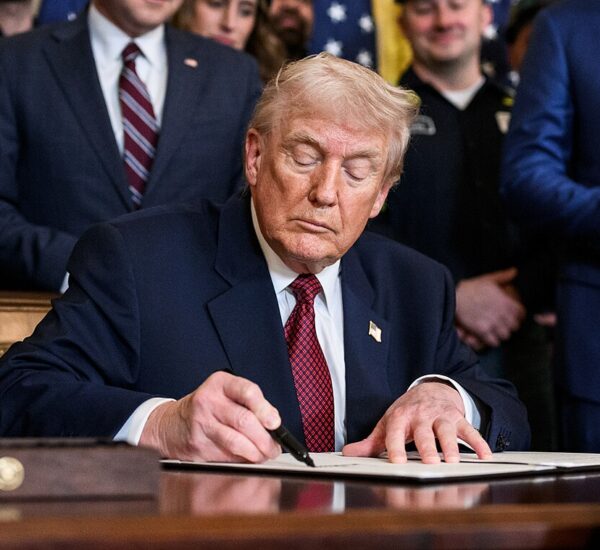
President Donald Trump made a powerful statement Wednesday night, making it clear he is choosing his words carefully when describing the escalating situation with Iran—while doubling down on a strong, America-first military approach.
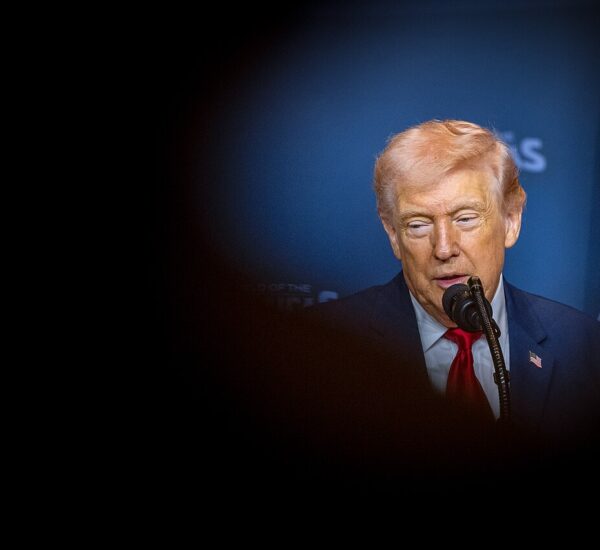
Speaking at the National Republican Congressional Committee (NRCC) fundraising dinner in Washington, D.C., Trump explained why he avoids using the word “war,” opting instead for a term that reflects both strategy and authority.
“I don’t use the word ‘war,’” Trump told the audience. “They say when you use that word, you have to go through a long approval process. So I call it what it is—a military operation. And frankly, it’s been a complete military decimation.”
Why Trump Is Avoiding the Word “War” — And Why It Matters
The distinction is more than just semantics—it ties directly into the ongoing debate over presidential war powers, military authority, and constitutional limits.
Under the Constitution, only Congress can officially declare war. However, modern presidents—including Trump—have long exercised their authority as commander-in-chief to carry out targeted military operations without formal declarations.
By calling the Iran conflict a “military operation,” Trump signals both strategic precision and legal positioning—avoiding unnecessary political roadblocks while acting quickly to protect U.S. interests.
U.S. Military Action Against Iran Escalates Amid Nuclear Threat Concerns
Tensions surged after U.S. and Israeli military strikes on Tehran late last month, targeting key infrastructure tied to Iran’s nuclear ambitions.
While the White House has acknowledged ongoing diplomatic discussions, Iran has largely rejected recent proposals, including ceasefire efforts—raising concerns about further escalation in the Middle East.
For many Americans, the central issue remains clear: preventing Iran from obtaining nuclear weapons.
Senate Rejects Democrat Effort to Limit Trump’s Military Authority
In a major political development, the Senate voted this week to block a Democrat-led resolution that aimed to restrict Trump’s ability to continue military operations in Iran.
Only one Republican, Sen. Rand Paul of Kentucky, supported the measure. Meanwhile, Democratic Sen. John Fetterman broke ranks and voted with Republicans to defeat it.
The vote highlights strong Republican backing for Trump’s national security strategy—and skepticism toward efforts to limit presidential authority during a global crisis.
Democrats Push Back, Question “Imminent Threat” Justification
Democratic lawmakers continue to argue that the administration has not provided sufficient proof that Iran posed an immediate or imminent threat to the United States.
They maintain that any further military action should require congressional approval, warning against what they view as executive overreach.
However, Trump allies argue that waiting for bureaucratic approval in the face of a nuclear threat could put American lives—and global stability—at serious risk.
Trump: Strong Action Prevented a Global Nuclear Crisis
Trump delivered one of his strongest warnings yet about the stakes involved, emphasizing that decisive military action may have prevented a catastrophic outcome.
“What we’re doing in the Middle East—nobody has ever seen anything like it,” Trump said. “Every president should have taken this step.”
He added that without U.S. intervention, Iran could already possess nuclear weapons—posing a direct threat not only to the region but to the entire world.
“Iran would have had a nuclear weapon long ago if we didn’t act,” Trump warned. “This isn’t just about the Middle East. This is about global security. We would all be living under that threat.”
Bottom Line: Strength, Strategy, and America First
For supporters, Trump’s approach represents a return to strong leadership, decisive military action, and putting American security first.
By avoiding the word “war” while continuing targeted military operations, Trump is walking a strategic line—asserting presidential authority while maintaining focus on results.
With tensions still rising and Congress divided, one thing is certain:
The debate over war powers, national security, and America’s role in the Middle East is far from over.