Trump Calls For New Interest Cap
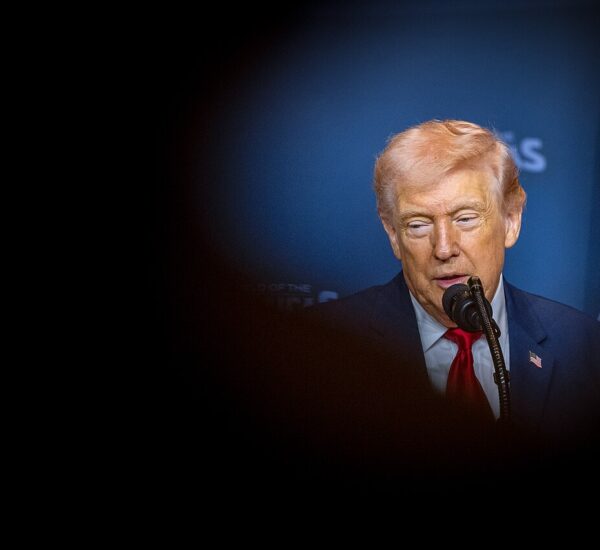
President Donald Trump announced a major consumer-focused proposal Friday night that could significantly reduce the financial burden facing millions of Americans struggling with high credit-card debt.
As the nation approaches the first anniversary of Trump’s second inauguration, the president called for a temporary, nationwide cap on credit-card interest rates at 10 percent, arguing that families and retirees have been hit hardest by years of rising borrowing costs.
In a statement posted to Truth Social, Trump said Americans should no longer be forced to absorb interest rates that routinely exceed 20 percent, calling the issue one of affordability and basic fairness.
Under the proposal, the 10 percent cap would take effect January 20, 2026, and remain in place for one year.
Americans Face Record Credit-Card Debt
Trump’s announcement comes as U.S. consumers carry record levels of revolving debt. Total credit-card balances have reached $1.23 trillion, according to industry data, with the average household owing more than $9,300.
With household budgets stretched by inflation, many Americans are increasingly using credit cards to cover everyday expenses such as groceries, utilities, and housing. High interest rates have made it harder for families to pay down balances, often keeping them locked in long-term debt.
Data from the Federal Reserve shows the average credit-card interest rate stood at 22.83 percent as of August 2025. Borrowers with lower credit scores frequently face rates approaching 30 percent.
Trump Revives Campaign Pledge
Trump first introduced the idea of a 10 percent cap during the 2024 presidential campaign, positioning it as immediate relief for working families and seniors living on fixed incomes.
While some banks raised concerns, many states already restrict excessive interest rates through longstanding usury laws. However, certain states—particularly Delaware—allow banks headquartered there to charge higher rates nationwide, even when consumers live elsewhere.
Bipartisan Momentum in Washington
The issue has drawn rare bipartisan attention.
Sen. Josh Hawley joined Sen. Bernie Sanders in proposing legislation to cap credit-card interest rates at 10 percent for five years, framing the effort as direct relief for working Americans.
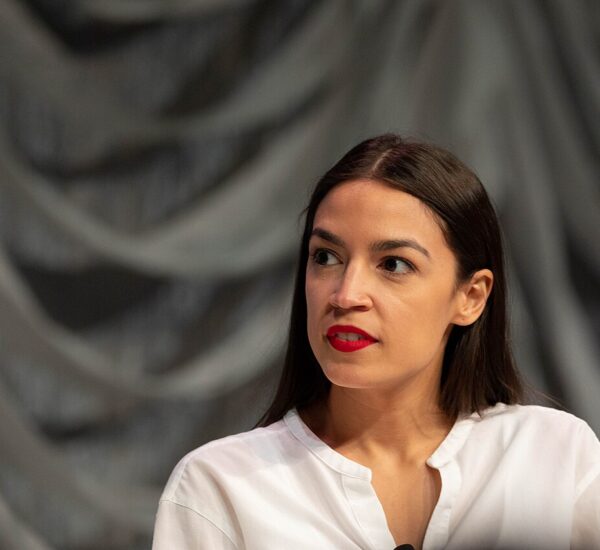
In the House, Rep. Anna Paulina Luna partnered with Rep. Alexandria Ocasio-Cortez on a similar proposal.
Luna has argued that banks could still remain profitable, noting that many financial institutions borrow funds at rates near 4 percent, while charging consumers several times that amount.
Banking Industry Response
The Bank Policy Institute warned that interest-rate caps could limit access to credit, particularly for borrowers who regularly carry balances.
However, consumer advocates argue that excessively high rates often prevent borrowers from reducing principal balances, leaving them paying interest month after month with little progress toward becoming debt-free.
What Research Shows
A comprehensive study from Vanderbilt University found that current credit-card interest rates significantly exceed what is necessary for banks to remain profitable.
The study concluded:
- A 15 percent cap could save consumers $48 billion per year with minimal impact on credit availability
- A 10 percent cap could save nearly $100 billion annually, while banks would still earn strong profits
Even under stricter caps, researchers found financial institutions would remain highly profitable, though without outsized windfalls.
Banks Still Profitable
For example, Capital One, the nation’s largest credit-card issuer, reported $3.2 billion in net income in a single quarter last year—equivalent to more than $12 billion annually.
Supporters of Trump’s proposal argue these figures show that consumer relief and a healthy banking system are not mutually exclusive.
With credit-card debt at historic highs and affordability dominating household concerns, Trump’s renewed push to cap interest rates is expected to remain a central economic issue in the months ahead.