Big Oil Hesitates On Trump
Major American and international oil companies expressed cautious interest in expanding operations in Venezuela after President Donald Trump said Friday that his administration is preparing to decide which companies will be permitted to drill in the oil-rich country.
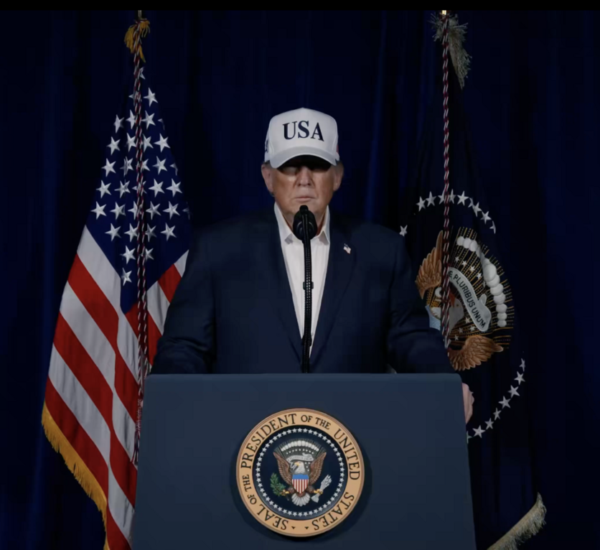
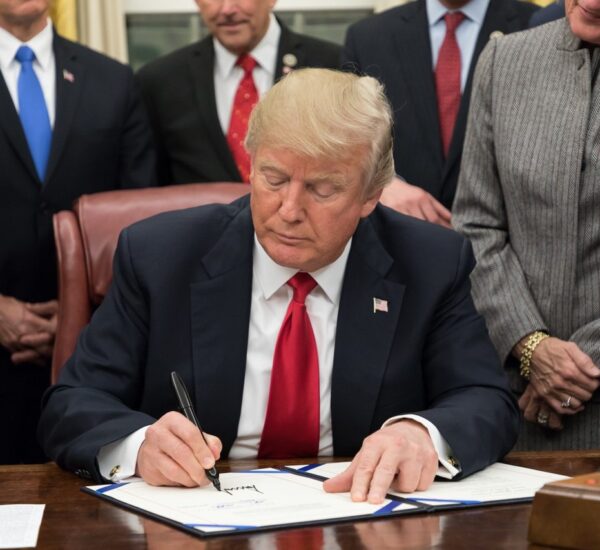
Speaking during a White House meeting with senior energy executives, President Trump made clear that the U.S. government will take a leading role in determining who gains access to Venezuela’s vast oil reserves.
“We’re going to be making the decision as to which oil companies are going to go in — the ones we’re going to allow in,” Trump said. “We’re going to cut a deal with the companies.”
The president indicated that an agreement could be finalized quickly, saying it could happen “today or very shortly thereafter.”
Oil Executives Signal Interest — With Major Conditions
After the meeting, President Trump told reporters that progress had already been made with industry leaders.
“We just had a great meeting with oil executives. We’ve sort of formed a deal,” he said while leaving the White House.
Despite the optimism, executives stressed that Venezuela remains a challenging environment for investment due to years of legal uncertainty, deteriorating infrastructure, and political instability.
Darren Woods, CEO of ExxonMobil, said Venezuela’s massive oil reserves are attractive but warned that serious reforms would be required before large-scale investment could move forward.
“As a depletion business, the biggest challenge we face is finding resources,” Woods said. “There is clearly opportunity in Venezuela. But today, it is uninvestable.”
Woods explained that Venezuela would need to overhaul its legal and commercial framework to ensure long-term stability and protect investments.
ExxonMobil and ConocoPhillips exited Venezuela in 2007 following government takeovers. Currently, Chevron is the only major U.S. oil company still operating in the country.
Trump: U.S. Companies Must Lead — Not China or Russia
Since the U.S. captured Venezuelan strongman Nicolás Maduro, President Trump has repeatedly emphasized that American companies — not foreign adversaries — should be responsible for rebuilding Venezuela’s energy sector.
Following Maduro’s capture, Trump said U.S. oil companies would invest billions of dollars to repair the nation’s severely damaged oil infrastructure and help restart production.
“They want to go in so badly,” Trump said previously.
Chevron Outlines Path to Increased Production
During Friday’s meeting, Chevron Vice Chair Mark Nelson publicly thanked the company’s Venezuelan workforce and said the company sees a clear path to expanding output.
“For more than a century, Chevron has been part of Venezuela’s past,” Nelson said. “We are committed to its present and look forward to helping build a better future.”
Nelson said Chevron could nearly double oil shipments from existing joint ventures almost immediately and increase production by up to 50 percent over the next 18 to 24 months by improving current facilities.
When asked whether Chevron planned to build new infrastructure, Nelson said the company would focus first on upgrading existing equipment to meet modern safety and operational standards.
“Well, I think you’re going to make an investment — and you’re going to get your money back very quickly,” President Trump responded.
Smaller Firms Eager to Move Faster
Claudio Descalzi, CEO of Italian energy company Eni, said his firm is ready to invest and already has employees operating inside Venezuela.
Smaller American firms were even more enthusiastic.
Jeff Hildebrand, founder and chairman of Hilcorp Energy, said his company is fully prepared to help rebuild Venezuela’s oil infrastructure.
“Hilcorp is fully committed and ready to go,” Hildebrand said.
Strategic Advantage for the United States
As the public portion of the meeting concluded, President Trump dismissed reporters so negotiations could continue privately.
Before doing so, he stressed the broader strategic implications.
“If we didn’t do this, China or Russia would have done it,” Trump said. “We are open for business.”