Democrat Slams Trump Over NATO Statements
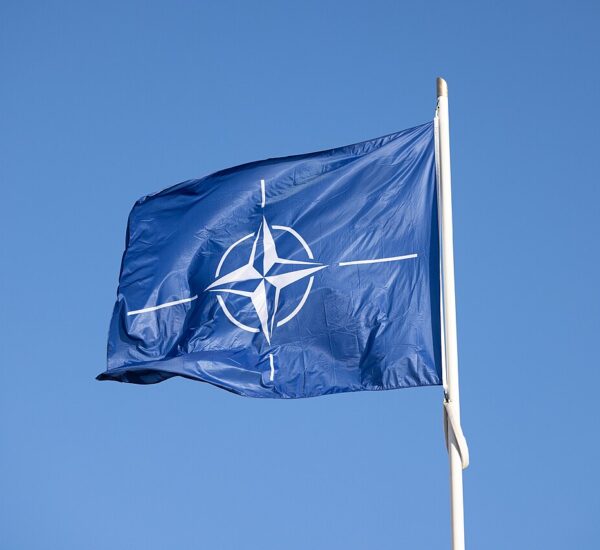
A growing political storm is brewing in Washington after President Donald Trump reignited debate over whether the United States should remain in NATO—a move that could dramatically reshape global alliances and America’s role on the world stage.
In a recent interview, Trump made it clear he has never fully trusted the North Atlantic Treaty Organization (NATO), raising serious concerns about whether the alliance still serves American interests.
“I was never convinced by NATO,” Trump said, pointing to what he sees as long-standing weaknesses and overreliance on U.S. power.
Democrats Push Back—But Voters Are Asking Tough Questions
Sen. Mark Warner (D-Va.) quickly fired back, defending NATO as a key pillar of U.S. national security. He argued that the alliance has helped prevent major global conflicts and strengthened America’s position abroad.
Warner also highlighted NATO’s support after the September 11 attacks, when allied nations joined U.S. forces in Afghanistan—many sacrificing their lives.
But for millions of Americans—especially older voters—those arguments are no longer as convincing as they once were.
The real question being asked now: Is NATO still working for America… or is America working for NATO?
Trump’s America First Strategy Gains Momentum
President Trump has long criticized NATO allies for failing to pay their fair share, putting the financial and military burden squarely on American taxpayers.
He has also called out NATO members for refusing to fully support recent U.S.-Israeli military efforts against Iran—an operation Trump says was critical in stopping a nuclear threat.
In a Truth Social post, Trump didn’t hold back:
“They didn’t want to step up,” he wrote, emphasizing that the mission succeeded despite limited allied involvement.
For many supporters, this reinforces a broader belief: America should not be carrying the world on its back.
Why This NATO Debate Matters More Than Ever
NATO was created in 1949 to counter Soviet threats during the Cold War. Today, it has expanded to 32 countries—but critics argue the world has changed, and the alliance has not kept up.
Supporters of Trump’s position say it’s time to rethink outdated commitments and focus on:
- Protecting American borders
- Strengthening U.S. energy independence
- Avoiding costly foreign conflicts
- Holding allies accountable
For a growing number of Americans, especially those who have seen decades of overseas wars and rising national debt, this message is resonating louder than ever.
What Happens Next Could Reshape Global Power
While Democratic leaders insist Congress will defend NATO at all costs, President Trump’s remarks have reopened a debate that many in Washington have tried to avoid for years.
If the U.S. were to step back from NATO—or demand major changes—it could send shockwaves through Europe, Russia, and China alike.
One thing is clear: This is no longer just a foreign policy discussion—it’s a defining issue about America’s future.