GOP Booting Crooked Judge?
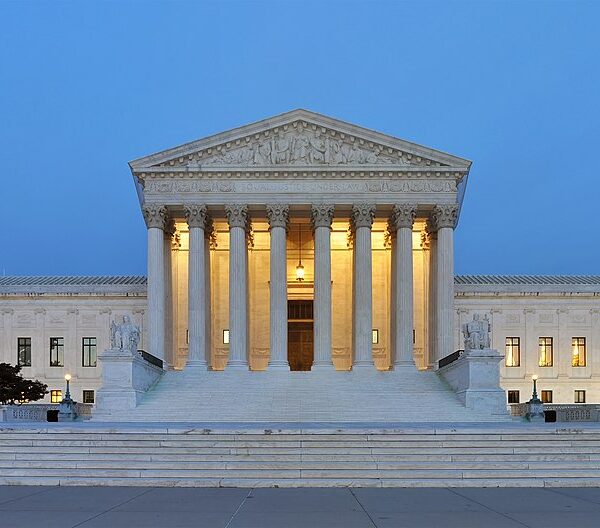
A federal appeals court on Friday stepped in to temporarily block contempt hearings ordered by U.S. District Judge James Boasberg, granting a request from the Trump administration to pause the proceedings while higher courts review the judge’s conduct.
The D.C. Circuit Court of Appeals issued an administrative stay that stops the contempt hearings scheduled for next week. The move does not settle the dispute but prevents further action until the court evaluates the government’s arguments.
The decision marks a major development in an escalating legal battle between the Trump administration and Judge Boasberg, a case that has quickly become a flashpoint over immigration enforcement, executive authority, and judicial power.
Dispute Centers on Trump’s Use of Alien Enemies Act
The conflict traces back to March, when President Trump invoked the rarely used Alien Enemies Act to rapidly remove suspected Venezuelan gang members from the United States. The move was part of Trump’s broader crackdown on illegal immigration and transnational crime.
Judge Boasberg issued an order directing the administration to halt and reverse certain deportation flights conducted under the statute. When those flights continued, the judge began contempt proceedings targeting administration officials.
The Justice Department pushed back hard.
DOJ Accuses Judge of Bias and Retaliation
In a sharply worded filing, the Justice Department accused Judge Boasberg of abandoning neutrality and creating what it called a “strong appearance” of bias against the executive branch.
Government attorneys argued the judge has engaged in a pattern of retaliation and harassment, raising serious concerns about whether he can fairly preside over the case.
According to the DOJ, allowing the contempt hearings to proceed would risk an unnecessary constitutional confrontation between the judicial and executive branches.
Whistleblower Testimony at Center of Case
Judge Boasberg recently ordered testimony from former Justice Department employee Erez Reuveni, who later submitted a whistleblower disclosure involving the deportation flights.
Reuveni claims the administration failed to halt flights that transported more than 100 Venezuelan men to detention facilities in El Salvador, despite the court’s order.
His testimony is being used by the judge to determine whether Trump administration officials should be referred for criminal contempt.
Another DOJ attorney, Drew Ensign, has also been called to testify.
Conflicting Accounts Over Deportation Flights
Reuveni says he was present during internal meetings leading up to the use of the Alien Enemies Act. He alleges that during a March 14 meeting, a senior Justice Department official suggested ignoring court orders. That claim has been firmly denied.
Documents submitted by Reuveni include late-night emails sent as the American Civil Liberties Union sought emergency court intervention to stop the flights.
The materials also suggest Ensign may have been aware that deportation flights were already in motion when representations were made to the court.
“He knew they were being removed,” Reuveni claimed.
DHS Role and DOJ Response
The Justice Department has stated that Homeland Security Secretary Kristi Noem directed the flights to continue.
In a sworn declaration, Ensign said he relayed Judge Boasberg’s instructions to senior officials at both DHS and DOJ but did not provide legal advice or authorize any operational decisions.
“After the hearing concluded, I summarized the court’s statements for DHS senior staff and promptly informed DOJ leadership,” Ensign wrote.
Judge Becomes Target of GOP Backlash
Judge Boasberg, an appointee of former President Barack Obama, has become a lightning rod for Republican criticism.
President Trump has publicly called for his impeachment, and more than a dozen Republican lawmakers have co-sponsored impeachment articles, accusing the judge of overstepping his authority and interfering with national security decisions.
Appeals Court Puts Proceedings on Hold—for Now
With the appeals court stepping in, the contempt hearings are now on hold as judges weigh whether Boasberg should remain on the case.
The outcome could have sweeping implications—not just for this dispute, but for how far unelected judges can go in challenging executive action on immigration and national security.
For now, the legal showdown remains paused, but the broader battle over border enforcement and constitutional authority is far from over.