Trump Gets Fighter Jet Escort
A serious security incident unfolded Sunday afternoon near President Donald Trump’s Mar-a-Lago estate, as U.S. fighter jets were forced to scramble after a civilian aircraft entered restricted airspace.
The violation occurred around 1:15 p.m., triggering an immediate response from the North American Aerospace Defense Command (NORAD), the agency responsible for protecting U.S. airspace.
Officials confirmed the aircraft breached a temporary flight restriction (TFR) zone put in place while President Trump was in the area.
Rapid Military Response Sends Clear Signal
In a decisive move, NORAD deployed F-16 fighter jets to intercept the aircraft near Mar-a-Lago, underscoring the seriousness of any airspace violation involving the president.
To quickly gain the pilot’s attention, the fighter jets released flares—a standard military warning that leaves no room for confusion.
The pilot responded appropriately, and the aircraft was safely escorted out of the restricted zone without further escalation.
NORAD later confirmed the situation was resolved safely, with no threat to President Trump or the surrounding community.
Mar-a-Lago Remains a High-Security Zone
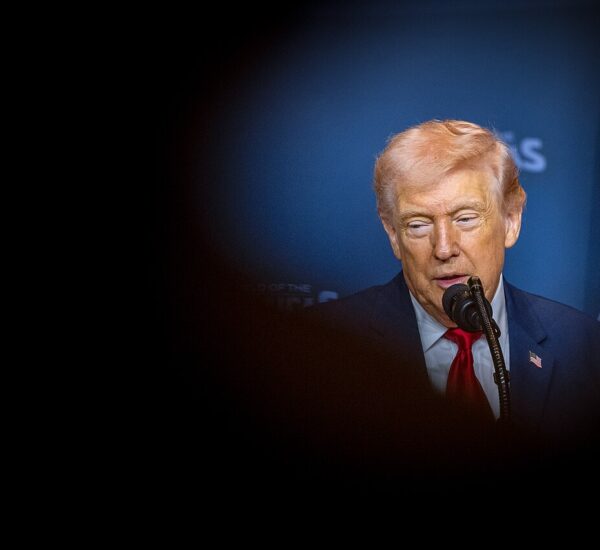
President Trump had spent the weekend at his Palm Beach residence, a location that operates under heightened security protocols whenever he is present.
Temporary flight restrictions are routinely enforced over Mar-a-Lago to prevent exactly this type of incident.
Despite that, civilian aircraft have mistakenly entered the restricted airspace multiple times since President Trump returned to office.
Officials stress that every violation is taken seriously, regardless of intent.
A Reminder of Strong National Defense Under Trump
While this latest Mar-a-Lago airspace breach ended without danger, it highlights the strength and readiness of America’s defense systems.
The rapid response by NORAD and U.S. fighter pilots sends a clear message:
U.S. airspace—especially around the Commander-in-Chief—is closely monitored and aggressively protected.
For many Americans, particularly those who value strong leadership and national security, this incident reinforces confidence that protective measures are not just in place—but actively enforced.