Trump Cuts Some Tariffs
The U.S. Commerce Department announced Wednesday that it has significantly reduced proposed tariffs on 13 Italian pasta exporters following a deeper review of pricing data.
Earlier this year, the agency warned that the companies could face import duties as high as 92 percent after determining their products may have been sold in the U.S. at unfairly low prices. After further analysis, those proposed penalties were sharply lowered.
Under the revised figures, pasta producer Garofalo will face a tariff rate of 13.89 percent. La Molisana’s duty was cut to just 2.26 percent. The remaining 11 Italian exporters were assigned a uniform tariff rate of 9.09 percent.
A Commerce Department spokesperson said the updated findings reflect improvements made by the companies since the preliminary ruling.
“This post-preliminary analysis indicates that many of the concerns raised earlier have been addressed and demonstrates Commerce’s commitment to a fair and transparent review process,” the spokesperson said.
The department added that it will continue consulting with all interested parties before issuing a final determination. That final ruling is scheduled for release on March 12, with a public comment period remaining open in the meantime.
The review of Italian pasta imports began in August 2024 after formal requests were filed by parties involved in the U.S. market. Anti-dumping and countervailing duties are used by the federal government to prevent foreign producers from undercutting American businesses by selling goods below fair market value.
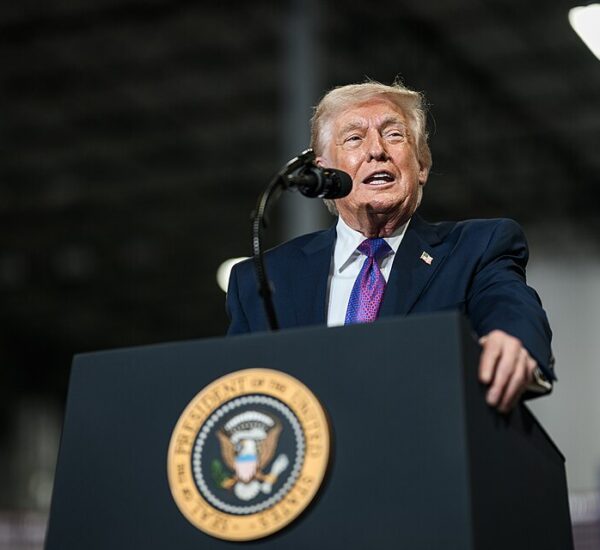
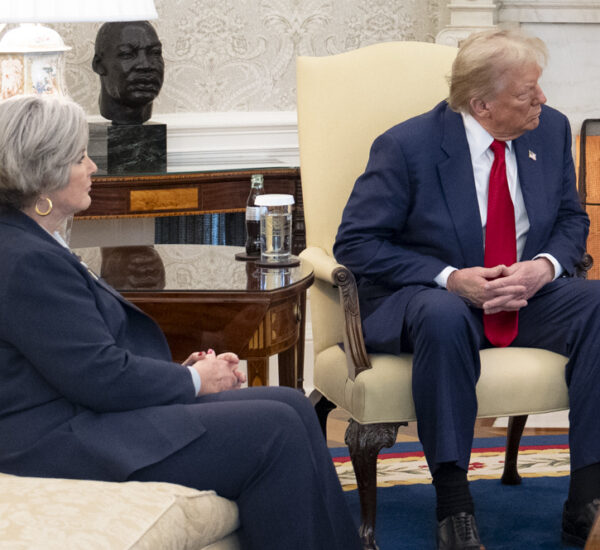
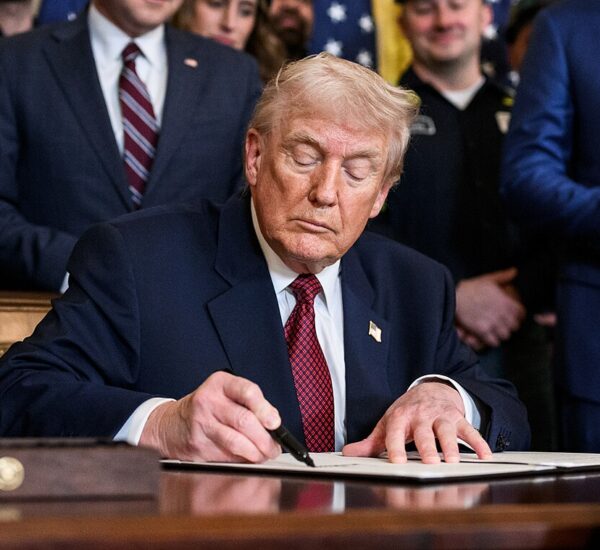
The decision to ease the pasta tariffs comes as President Trump also took action this week on other trade matters. On Wednesday, the president signed a proclamation delaying planned duties on imported furniture by one year, citing ongoing negotiations with trading partners.
During his second term, President Trump has continued to rely on tariffs as a central part of U.S. trade policy. The administration has argued that targeted import duties help protect domestic industries, strengthen negotiating leverage, and address long-standing trade imbalances.