Trump Sending Aid Where?
The U.S. State Department announced it will move forward with an additional $6 million in humanitarian assistance to Cuba, even as diplomatic tensions between the two countries remain high.
U.S. officials say the aid is intended strictly for humanitarian relief, not to benefit the Cuban regime, and will be closely monitored to ensure it reaches everyday citizens.
Aid Tied to Hurricane Damage and Ongoing Shortages
The latest assistance package follows severe damage caused by Hurricane Melissa, which struck Cuba in October and left widespread destruction in its wake. Homes were damaged, roads were blocked, and basic services were disrupted across large portions of the island.
International relief organizations have warned that conditions remain dire months later, describing the humanitarian situation as severe and deteriorating.
The United States previously delivered approximately $3 million in emergency aid immediately following the storm.
U.S. Bypasses Cuban Government to Prevent Aid Diversion
According to the State Department, the new shipment will consist of pre-packaged humanitarian supplies distributed through Catholic Church parish representatives based in Miami, rather than through Cuban government agencies.
Officials said this delivery method is specifically designed to prevent government interference, diversion, or misuse of U.S. taxpayer-funded aid.
The department emphasized that any attempt by Cuban authorities to block or redirect assistance will be closely tracked.
Oil Shortages Add Pressure After Venezuela Disruption
The aid announcement comes as Cuba faces growing economic strain following the collapse of oil shipments from Venezuela. For years, Cuba relied heavily on Venezuelan oil to sustain its economy.
That supply ended after U.S. forces detained Venezuelan leader Nicolás Maduro earlier this year, cutting off a critical lifeline for the Cuban government.
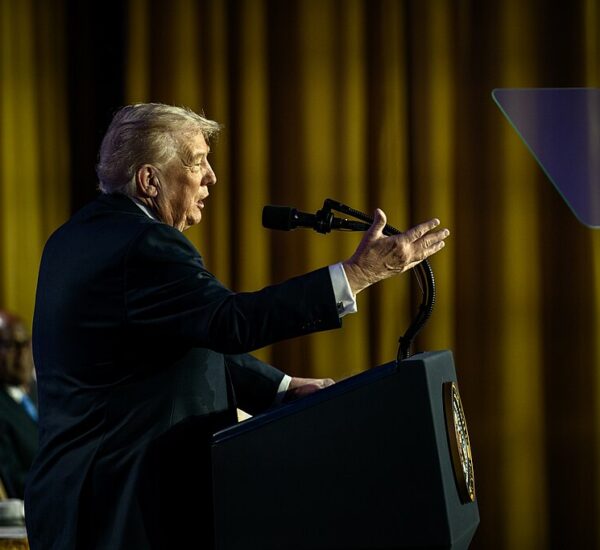
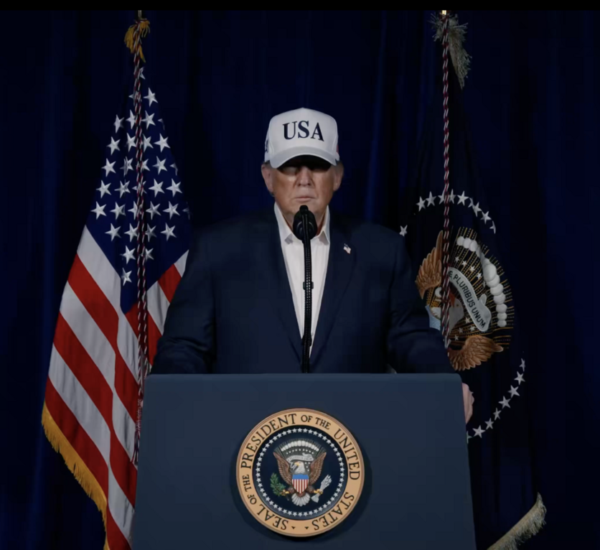
President Donald Trump recently addressed the situation, pointing to Cuba’s dependence on foreign oil as a major weakness.
He said the flow of oil that once funded the Cuban system is no longer available, leaving the regime under increasing pressure.
U.N. Criticizes U.S. Policy as Officials Push Back
The United Nations has raised concerns about the humanitarian situation in Cuba, with Secretary-General António Guterres calling for an end to U.S. economic restrictions.
U.S. officials strongly rejected the claim that American policy is responsible for shortages on the island.
State Department official Jeremy Lewin said Cuba’s leadership has ample financial resources but fails to prioritize basic needs for its citizens.
He argued that food shortages are the result of government mismanagement, not U.S. sanctions.
Trump Warns of Tariffs as Cuba Signals Conditional Talks
President Trump has also warned that tariffs could be imposed on countries that continue doing business with the Cuban regime, a move aimed at increasing pressure on Havana.
Cuban President Miguel Díaz-Canel criticized the policy and acknowledged that Cuba has not received oil shipments from Venezuela since December.
Despite that, Díaz-Canel said his government is open to dialogue with the United States—provided there are no conditions attached.
White House Responds: Diplomacy Still Possible
White House Press Secretary Karoline Leavitt responded by warning Cuban leaders to choose their words carefully, while reiterating the administration’s openness to diplomacy.
She said the President remains willing to engage, even as the Cuban government faces mounting internal pressure.