State Refuses Redistricting?
Indiana Republican Governor Mike Braun says he will not call another special legislative session to pursue early congressional redistricting, bringing an end to a months-long political dispute that has dominated statehouse discussions.
Braun confirmed the decision during a year-end interview, signaling that the effort no longer has sufficient support among lawmakers to move forward.
“At this point, it’s clear the votes just aren’t there,” Braun said Tuesday. “That opportunity has passed.”
Indiana Senate Rejects Redistricting Proposal
The governor’s remarks follow a decisive vote in the Indiana Senate last week, where lawmakers rejected a proposal to redraw congressional district boundaries ahead of the 2026 midterm elections. The chamber voted 31–19 against the measure.
The outcome was notable because Indiana has a Republican-controlled legislature, yet more than 20 GOP senators joined Democrats in opposing the plan. Indiana became the first Republican-led state this election cycle to formally turn down a mid-decade redistricting effort.
Braun said the vote highlighted divisions within the Senate and a lack of consensus among Republican lawmakers.
“It painted a clear picture that nearly half the Senate was out of step with broader expectations,” Braun said in a separate interview.
Governor Says Issue Is Closed for This Session
After previously leaving open the possibility of another attempt, Braun now says the matter is finished for the remainder of the legislative session.
“I don’t see a way for this to come back during this session,” he said. “The focus now should be on the issues we can address directly and effectively.”
The redistricting debate has been closely watched nationwide as both political parties consider how congressional maps could influence future elections.
National Attention and Trump Administration Involvement
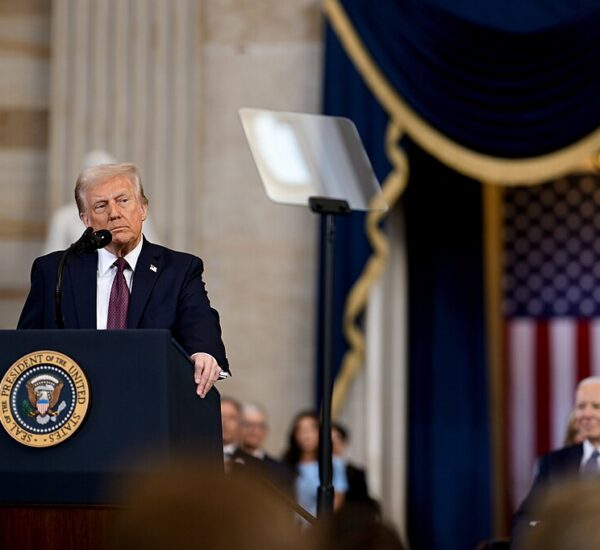
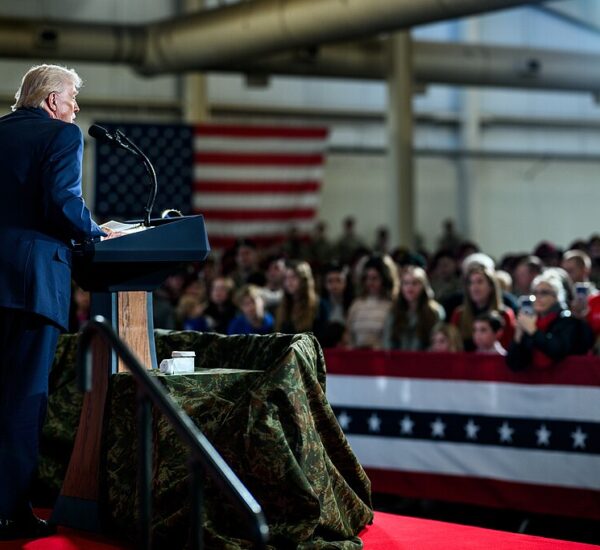
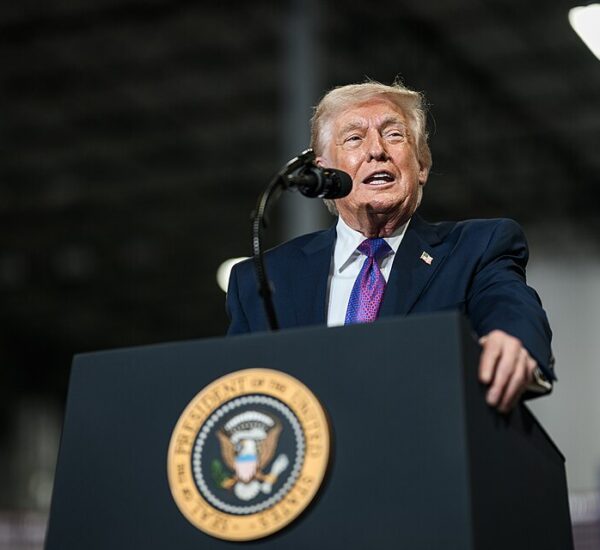
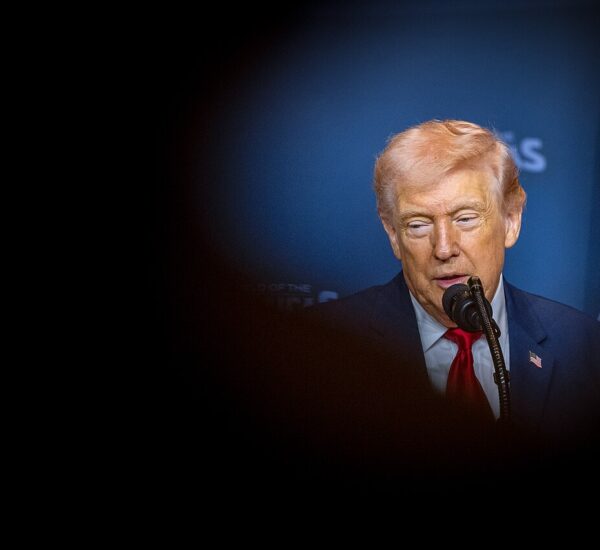
The Indiana dispute drew national attention in recent months, particularly as President Donald Trump and White House allies encouraged Republican-led states to evaluate whether early redistricting could help protect GOP representation in Congress.
Braun called a rare special legislative session in late October to examine the issue, aligning with arguments from Trump allies that Republicans should not hold back while Democrats pursue aggressive redistricting strategies in other states.
Indiana Republican leaders reportedly held several meetings with Trump-aligned figures, including Vice President JD Vance, in an effort to rally support for a revised congressional map.
Resistance From GOP Lawmakers Proved Decisive
Despite those efforts, resistance inside the Indiana Senate proved difficult to overcome. Several Republican senators publicly raised concerns about changing district lines outside the traditional post-census process.
Others warned that mid-decade redistricting could create political backlash or give the appearance that federal pressure was influencing decisions typically handled at the state level.
With the Senate vote settled, Braun says the state will move forward and refocus on legislative priorities such as economic growth, public safety, and fiscal responsibility.
For now, Indiana’s congressional map will remain unchanged as lawmakers prepare for upcoming elections and policy debates.