Powell Refusing To Step Down?
Federal Reserve Chairman Jerome Powell signaled Wednesday that he could remain in his role beyond the May 15 expiration of his term—if a successor has not yet been confirmed—setting up a potentially significant moment for U.S. economic policy.
Speaking after the Federal Reserve announced it would hold interest rates steady, Powell said staying on temporarily would follow legal precedent and help maintain stability during a time of economic and political uncertainty.
“That is what the law calls for, and it has been done before,” Powell explained.
Federal Reserve Stability vs. Leadership Transition
Powell framed his potential decision as a matter of continuity for the nation’s central bank, which plays a critical role in managing inflation, interest rates, and overall economic growth.
However, the situation is unfolding as Washington faces growing debate over the future direction of monetary policy—especially as Americans continue to deal with high borrowing costs and concerns about long-term financial stability.
DOJ Investigation Adds Pressure
Complicating matters further, Powell confirmed he intends to remain on the Federal Reserve Board while a Department of Justice investigation involving him continues.
“I have no intention of leaving until the investigation is fully resolved with transparency,” he said.
The legal dispute has already intensified. A federal judge recently blocked subpoenas targeting the Fed, ruling they appeared designed to apply pressure rather than gather evidence. Prosecutors have indicated they plan to appeal, meaning the case is far from settled.
Trump Nominee Faces Confirmation Uncertainty
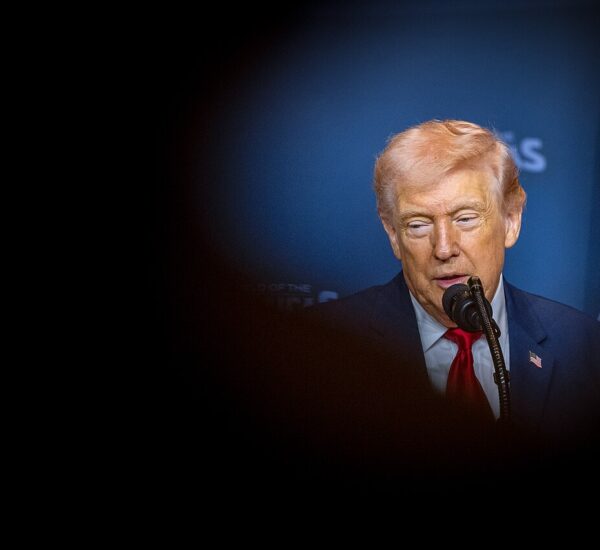
President Donald Trump has nominated former Federal Reserve governor Kevin Warsh to replace Powell, signaling a push toward new economic leadership.
However, the confirmation process may not be smooth.
Sen. Thom Tillis (R-N.C.) has suggested he could delay the nomination until the investigation surrounding Powell is resolved—adding uncertainty at a time when markets are closely watching Federal Reserve decisions.
Ongoing Tensions Over Interest Rates and the Economy
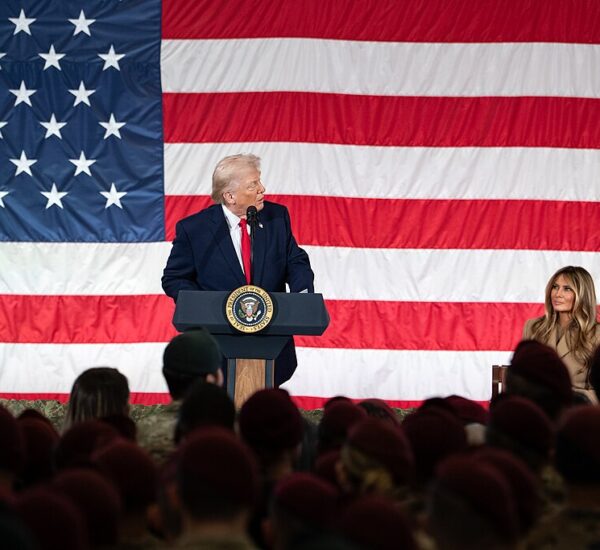
President Trump has repeatedly expressed concerns about Federal Reserve policy, particularly regarding interest rates. He has argued that rates have remained too high, making it more expensive for Americans to borrow money, refinance homes, or grow businesses.
These concerns are especially important for:
- Retirees relying on fixed income
- Homeowners managing mortgage costs
- Small business owners seeking affordable credit
The administration has made clear it wants policies that support economic growth, job creation, and financial stability.
Why This Matters for Everyday Americans
The Federal Reserve’s decisions directly impact:
- Mortgage rates
- Credit card interest
- Savings and retirement accounts
- Inflation and cost of living
If Powell remains on the board after stepping down as chair, it could limit how quickly new leadership reshapes policy—potentially extending the current approach to interest rates and inflation control.
Powell’s term as a Fed governor runs through 2028, meaning he could continue influencing decisions for years.
What Happens Next
Powell said he has not yet decided whether he will remain on the board after a successor is confirmed.
“I will make that decision based on what I believe is best for the institution and the American people,” he said.