Crockett Takes The Lead
Texas voters are watching one of the most expensive and closely followed U.S. Senate races in the country — and a new poll is adding fresh intrigue.
A University of Texas/Texas Politics Project survey released this week shows Rep. Jasmine Crockett (D-Texas) holding a 12-point advantage over Texas State Rep. James Talarico in a hypothetical Democratic Senate primary matchup.
According to the poll, Crockett leads 56 percent to 44 percent among likely Democratic primary voters.
But there’s a catch — and it could matter.
The survey wrapped up February 16, just before early voting began on February 17. That timing is critical because a major media controversy erupted shortly afterward, potentially reshaping voter perception.
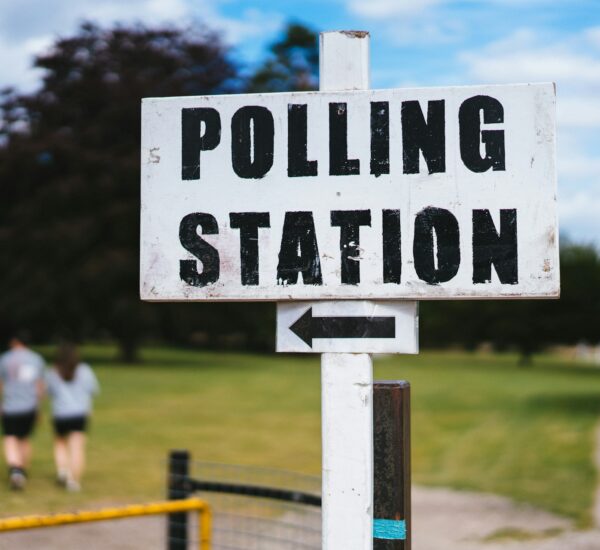
With early voting underway and Election Day set for March 3, Texas Democrats now face a high-stakes decision that could influence the balance of power in Washington.
Did a Late-Night TV Controversy Change the Race?
Shortly after the poll concluded, Talarico appeared on CBS’s “Late Show with Stephen Colbert.” The interview became a flashpoint when Colbert claimed CBS had initially hesitated to air the segment, allegedly citing pressure involving the Federal Communications Commission (FCC).
CBS denied the claim.
Colbert later released the interview online, where it quickly generated millions of views and reportedly boosted Talarico’s fundraising.
For voters concerned about media influence in politics, the episode raised eyebrows. Some political observers believe the unexpected attention could tighten what had appeared to be a comfortable lead for Crockett.
Whether that surge translates into votes remains to be seen.
Name Recognition: A Major Factor in Democratic Primary Politics
Polling data suggests Crockett’s advantage may stem in part from higher statewide recognition.
Among Democratic primary voters surveyed:
- 71 percent view Crockett favorably
- 59 percent view Talarico favorably
- 21 percent say they don’t know enough about Talarico to form an opinion
- 15 percent report neutral feelings about him
By contrast, far fewer Democratic voters expressed unfamiliarity with Crockett.
For seasoned Texas voters — particularly those over 50 who reliably turn out in primaries — familiarity often plays a decisive role. Candidates with established media exposure and political visibility frequently outperform lesser-known challengers.
That dynamic could shift in the final days as Talarico gains more exposure.
Conflicting Polls Suggest a Competitive Democratic Primary
While this University of Texas poll shows Crockett with a double-digit edge, other recent surveys have painted a tighter picture.
One poll conducted last month reportedly showed Talarico ahead. Meanwhile, Talarico’s campaign released internal polling this week claiming he holds a four-point advantage — though that survey was conducted before the late-night television controversy gained traction.
As experienced voters know, internal campaign polling often tells a different story than independent surveys.
With margins of error hovering around five percentage points in the Democratic matchup, this race could narrow quickly.
Republican Senate Primary: A Battle Between Established Conservatives
On the Republican side, the contest is equally intense.
The same survey shows:
- Texas Attorney General Ken Paxton at 36 percent
- Incumbent U.S. Senator John Cornyn at 34 percent
- Rep. Wesley Hunt at 26 percent
The race falls within the margin of error, meaning no clear frontrunner has emerged.
If no candidate secures more than 50 percent of the vote, Texas law requires a runoff election in May — a scenario that could extend the fight and drive even more campaign spending.
Record-Breaking Campaign Spending in Texas
This Texas Senate race has already shattered records.
Total advertising spending has reached approximately $110 million, making it the most expensive Senate contest in U.S. history.
Republicans have outspent Democrats significantly:
- Republican spending: $88 million
- Democratic spending: Approximately $22 million
For voters concerned about fiscal responsibility, campaign influence, and the growing cost of federal elections, these numbers are hard to ignore.
What This Means for Texas Voters
For many Texans — especially older voters who have seen decades of political shifts — this race represents more than just a primary contest.
It reflects broader questions:
- The direction of the Democratic Party in Texas
- The strength of conservative leadership statewide
- The influence of national media in local elections
- And the escalating cost of modern political campaigns
Polls provide only a snapshot. Turnout, late momentum, and voter intensity often matter more than early surveys.
With early voting underway and millions already spent, Texas voters will ultimately determine whether early polling trends hold — or whether late developments reshape the field.
Poll Details
The University of Texas/Texas Politics Project survey was conducted February 2–16 among 1,300 self-declared registered voters in Texas.
Margins of error:
- Overall: 2.72 percentage points
- Democratic primary: 5.1 percentage points
- Republican primary: 5.24 percentage points
As always, polls are not predictions — they are momentary measurements.
And in Texas politics, momentum can shift quickly.