Trump Calls Out CBS Anchor
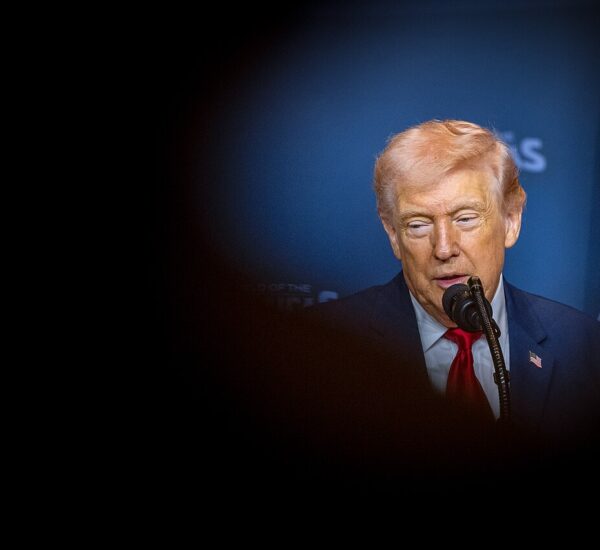
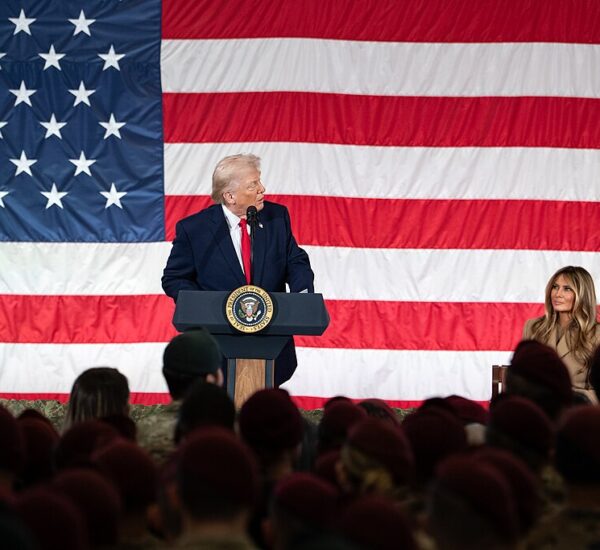
President Donald Trump delivered a sharp, off-the-cuff remark Tuesday aimed at Tony Dokoupil, the newly appointed anchor of CBS Evening News, during a brief interview at a Michigan auto manufacturing plant.
Trump suggested that Dokoupil’s current role at the network may not have materialized had Kamala Harris prevailed in the 2024 presidential election.
“We have one of the strongest, hottest countries in the world right now,” Trump said, contrasting current conditions with what he described as a period of decline just over a year earlier. He added that a different election outcome could have dramatically altered the media landscape—including who occupies top on-air positions.
Trump went on to speculate that major changes across legacy media companies would have been likely under a Harris administration, referencing potential impacts not just on anchors, but on executives and ownership as well.
When Dokoupil asked the president to clarify his remarks, Trump reiterated his point, emphasizing that shifts in political leadership often ripple through corporate media organizations. The exchange was first highlighted by Mediaite.
The comments appeared to reference the recent acquisition of CBS’s parent company, Paramount, by technology and media executives David Ellison and Larry Ellison.
Since the ownership change, the network has undergone noticeable shifts in programming and editorial direction. One of the most high-profile decisions was the cancellation of The Late Show, previously hosted by longtime Trump critic Stephen Colbert.
CBS leadership also elevated journalist Bari Weiss to a senior editorial position, a move that sparked internal debate within the network. Some staff members reportedly expressed concern about a perceived shift in tone toward the Trump administration.
At the same time, Dokoupil himself has faced increased scrutiny from both critics and viewers over how the evening newscast has covered President Trump and key figures aligned with his administration.
For many longtime news consumers—particularly older Americans who remember a less overtly political era of broadcast journalism—the moment highlighted the growing influence of ownership, elections, and audience trust on the direction of mainstream media.