Republican Says Congress Needs Answers
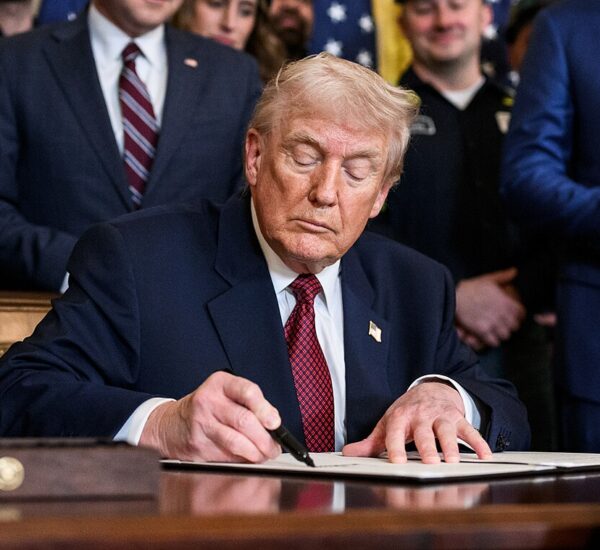
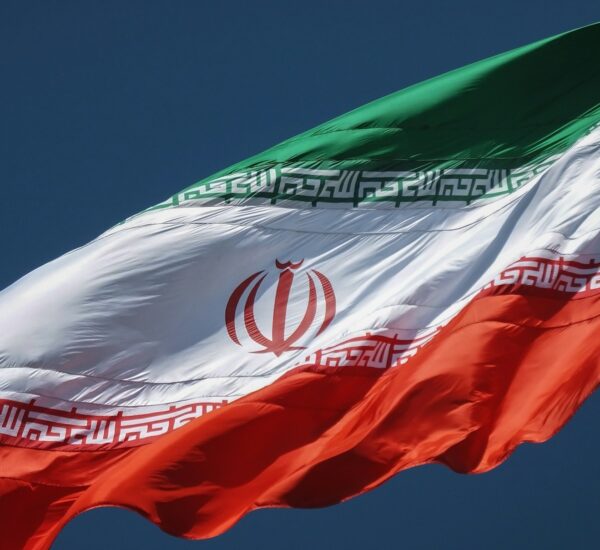
Tensions are rising in Washington as President Trump’s administration faces growing pressure from Congress over the ongoing U.S. conflict with Iran.
Republican lawmakers are now demanding clearer answers about America’s strategy, military objectives, and what comes next in the Middle East.
Top Republican Raises Concerns After Pentagon Briefing
Rep. Mike Rogers (R-Ala.), chairman of the House Armed Services Committee, said Wednesday that lawmakers are not getting the full picture.
After attending a classified Pentagon briefing, Rogers made it clear: Congress wants more transparency.
“We need to understand exactly what’s happening, what options are on the table, and why those decisions are being made,” Rogers told reporters.
“We’re simply not getting enough information.”
White House Defends Trump’s Leadership and Strategy
The Trump administration quickly pushed back.
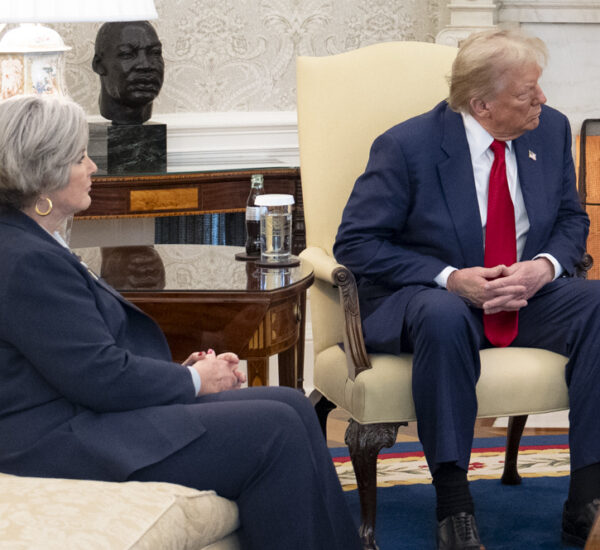
White House Principal Deputy Press Secretary Anna Kelly said the administration has already conducted extensive briefings with Congress throughout the operation.
According to Kelly, more than 20 bipartisan briefings have taken place involving the Department of State, Department of Defense, and U.S. intelligence agencies.
She emphasized that President Trump’s team remains focused on one goal: decisively weakening Iran’s military power.
That includes:
- Destroying Iran’s ballistic missile capabilities
- Crippling its navy
- Cutting off support to terrorist proxy groups
- Preventing Iran from ever obtaining nuclear weapons
Massive U.S. Military Presence Expands in the Region
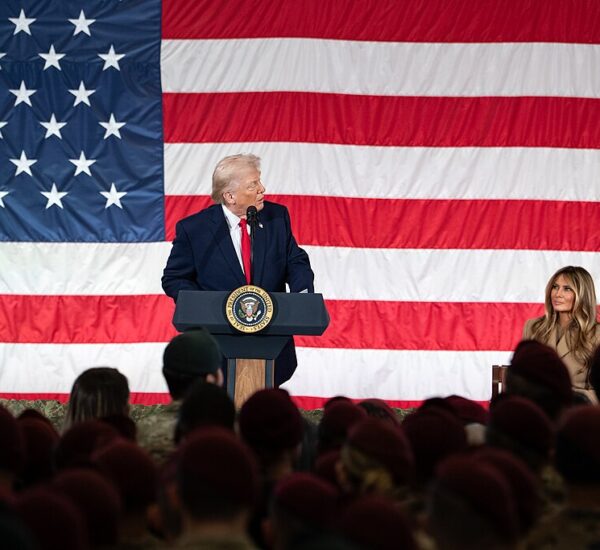
At the same time, the Pentagon is ramping up America’s military footprint in the Middle East.
Roughly 2,000 troops from the 82nd Airborne Division are preparing to deploy, adding to the more than 50,000 U.S. service members already in the region.
Thousands of Marines are also on standby as the situation continues to escalate.
American Casualties Highlight Growing Risks
The cost of the conflict is becoming increasingly clear.
- 7 U.S. service members have been killed in Iranian retaliatory attacks
- 6 additional troops died in a military aircraft crash in Iraq
- Nearly 290 U.S. troops have been wounded
Military officials say most injuries were minor, with more than 255 troops already returning to duty.
Still, the numbers are a stark reminder of the risks facing American forces.
U.S. Military Delivers Major Blow to Iran
Despite the concerns, U.S. military leaders report major success on the battlefield.
According to CENTCOM Commander Adm. Brad Cooper:
- Over 10,000 Iranian targets have been struck
- 92% of Iran’s major naval assets have been destroyed
- Missile and drone attacks have dropped by more than 90%
These numbers point to a significant weakening of Iran’s ability to wage war.
Congress Divided Over Sending Troops Into Iran
Even with those gains, one question is causing serious division in Washington:
Will U.S. troops be sent into Iran?
Sen. Tim Kaine (D-Va.) said he still does not feel fully informed about the possibility.
Meanwhile, Rep. Nancy Mace (R-S.C.) drew a firm line after the briefing.
“I will not support putting American troops on the ground in Iran,” she stated.
Why This Matters for Americans
This conflict isn’t just happening overseas—it has real consequences at home.
- National security risks are rising
- Oil prices and energy markets could be impacted
- U.S. military families are directly affected
- America’s global strength and leadership are on the line
Bottom Line
President Trump’s aggressive strategy against Iran is delivering major military results—but it’s also raising serious questions in Congress.
Lawmakers want more transparency.
The administration says it’s already delivering results.
Now, the big question remains:
What happens next—and how far will the United States go?