House Advancing New Extension
House Republican leaders are moving quickly to renew a critical national security surveillance authority before it expires next month, warning that allowing the program to lapse could weaken America’s ability to track foreign threats.
According to a report from Politico, House Intelligence Committee Chairman Rick Crawford (R-Ark.) and House Majority Leader Steve Scalise (R-La.) confirmed Tuesday that Republican leadership plans to extend Section 702 of the Foreign Intelligence Surveillance Act (FISA) ahead of its April 20 expiration.
The surveillance authority has long been considered a vital tool used by U.S. intelligence agencies to monitor foreign threats, including terrorism, espionage, and cyberattacks targeting the United States.
Republican leaders say renewing the program is essential to protecting the country.
GOP Leaders Move Toward April Vote
Lawmakers are expected to bring the renewal to the House floor during the week of April 13, according to sources familiar with the legislative schedule.
Scalise said House leaders will continue working with members of Congress to build support before the vote.
“We’re going to be talking with our members just like we do on any major issue,” Scalise explained. “The president has made it clear why maintaining this authority is important.”
The current proposal would extend Section 702 without adding new limitations on intelligence agencies, despite calls from some lawmakers to tighten oversight.
Debate Continues Over Surveillance and Privacy
In recent years, some Democrats and civil liberties groups have raised concerns about how federal investigators search the Section 702 database.
Because the program targets foreign individuals located outside the United States, intelligence agencies are allowed to collect communications without first obtaining a warrant.
However, communications involving Americans can sometimes be captured if they are interacting with those foreign targets.
Privacy advocates have argued that investigators should be required to obtain a warrant before searching the database for information involving U.S. citizens.
Supporters of the program say the authority remains one of the most effective intelligence tools available to prevent terrorist plots and track hostile foreign actors.
Trump Signals Strong Support for Renewal
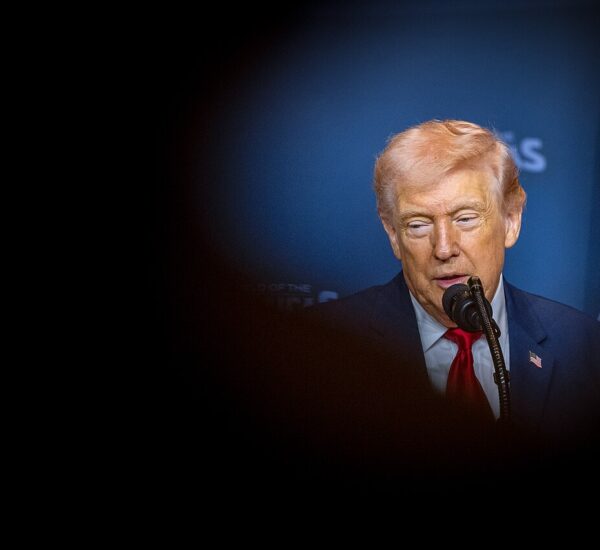
President Donald Trump voiced support for renewing the surveillance authority during a meeting with House Republicans at their annual retreat earlier this week.
Trump also suggested pairing the renewal with another major priority for conservatives: the SAVE America Act.
That legislation would require proof of U.S. citizenship when registering to vote, a measure many Republicans say is necessary to strengthen election integrity and protect the democratic process.
Republican leaders said they are open to the idea of combining the two pieces of legislation if it helps ensure passage.
Crawford said lawmakers are considering all possible legislative strategies.
“Sometimes you have to be creative when it comes to getting important legislation across the finish line,” Crawford said. “We’ll evaluate whether linking the bills makes sense.”
Intelligence Officials Warn Against Letting Authority Expire
First enacted in 2008, Section 702 has been repeatedly renewed by Congress because of its importance to national security operations.
U.S. intelligence agencies use the program to gather information about foreign threats, including terrorist networks, foreign spies, and cyber criminals targeting American infrastructure.
National security officials have warned that allowing the authority to expire—even temporarily—could disrupt ongoing investigations and make it harder to identify emerging threats in real time.
With the deadline approaching quickly, lawmakers on Capitol Hill now face growing pressure to act before the surveillance authority lapses.