New Development Between Trump And Cuba
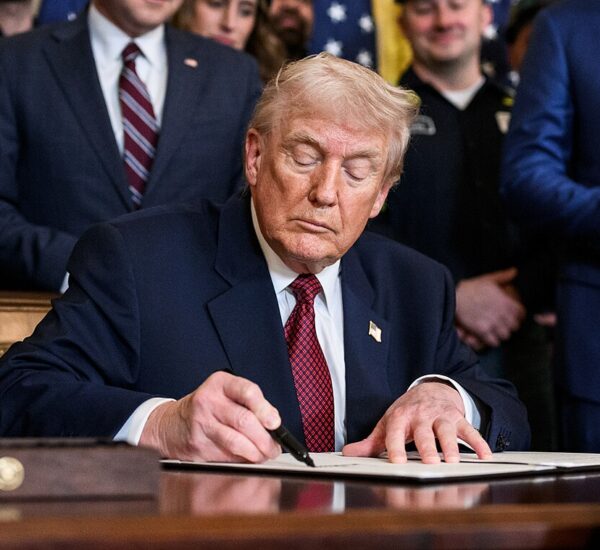
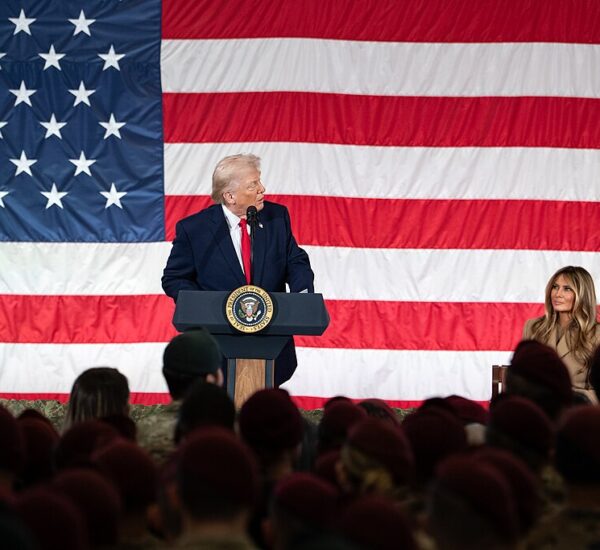
Cuba is once again at the center of global attention as early negotiations with the United States begin—while President Donald Trump ramps up pressure on the struggling communist regime.
Cuban President Miguel Díaz-Canel confirmed that talks with the U.S. are underway, though still in the early stages. But what’s drawing even more attention is the reemergence of longtime power figure Raúl Castro, who is quietly helping guide Cuba’s strategy behind the scenes.
Cuba Facing Blackouts, Economic Collapse, and Fuel Shortages
The timing of these talks is no coincidence.
Cuba is currently battling a severe national crisis, including:
- Widespread power outages
- A collapsing electrical grid
- Ongoing fuel shortages
- Economic paralysis affecting millions
The situation has worsened in recent months as U.S. sanctions—strengthened under President Trump—continue to limit the island’s access to critical resources.
In fact, Cuba has reportedly gone three months without major fuel shipments, leading to multiple nationwide blackouts that have left millions without electricity.
Trump’s Tough Strategy: Sanctions, Tariffs, and Strong Warnings
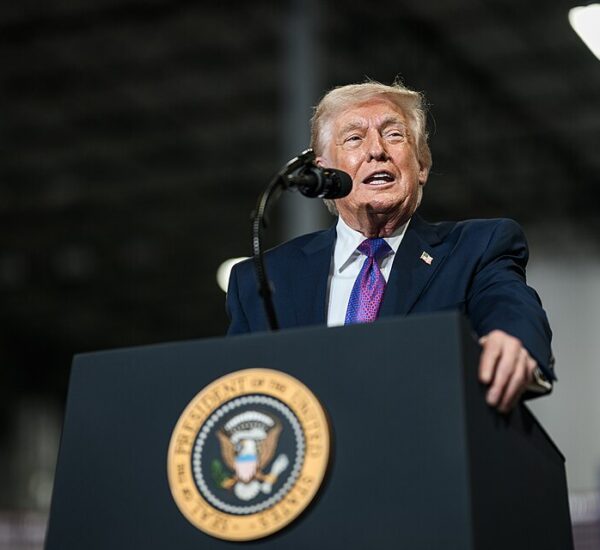
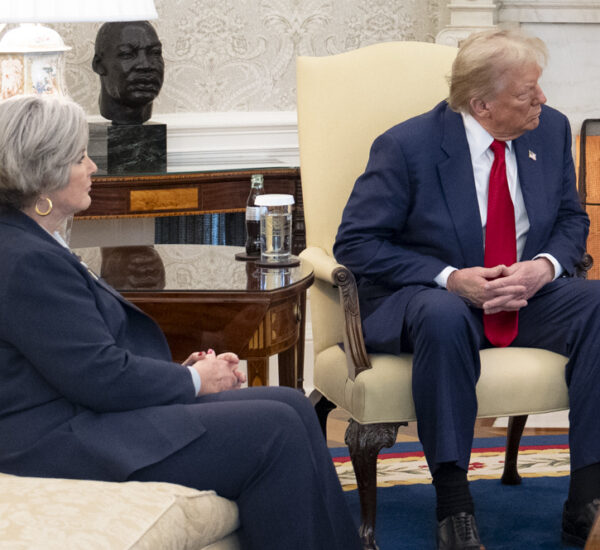
President Trump has taken a firm stance on Cuba, making it clear that the United States will not support the communist regime without real change.
Earlier this year, Trump warned that any country supplying oil to Cuba could face tariffs, a move designed to cut off the regime’s lifeline.
He has also hinted at taking even stronger action, signaling that the U.S. is prepared to play a decisive role in Cuba’s future if necessary.
For many Americans—especially those who remember the Cold War—this approach reflects a return to strength and accountability in foreign policy.
Raúl Castro Still Pulling Strings Behind the Scenes
Although Raúl Castro officially stepped down years ago, he remains a powerful influence inside Cuba.
Díaz-Canel described Castro as a key figure helping shape how Cuba approaches negotiations with the United States.
Castro, now in his 90s, is still viewed by the regime as a “historical leader,” and his involvement signals that Cuba is taking these talks seriously.
This also raises questions about whether real reform is possible—or if the same leadership will continue to control the island’s future.
From Obama-Era Diplomacy to Trump-Era Pressure
These new developments highlight a sharp contrast in U.S. policy.
- Under Barack Obama, Cuba saw eased restrictions and reopened embassies
- Under President Trump, sanctions have tightened significantly
- The current strategy focuses on forcing accountability and reform
Supporters argue that Trump’s approach is exposing the weaknesses of Cuba’s system, as the country now struggles to meet even basic needs.
Humanitarian Concerns Grow as Crisis Worsens
International organizations are now warning that Cuba may be approaching a full-blown humanitarian disaster.
According to United Nations officials:
- Tens of thousands of children could miss critical medical treatments
- Vaccination programs are falling behind
- Nearly 1 million people lack reliable access to water
- Hospitals and schools are struggling to stay operational
UN representatives estimate that $94 million in aid is needed to stabilize the situation, while also suggesting solar energy as a temporary solution.
“If conditions continue, we could see rapid deterioration and possible loss of life,” one official warned.
What Happens Next? High Stakes for the U.S. and Cuba
As quiet talks begin between Cuba and the United States, the stakes are enormous.
- Will Cuba agree to meaningful change?
- Will Trump increase pressure even further?
- Or will the crisis force the regime into a breaking point?
One thing is certain: Cuba’s future—and America’s role in shaping it—are now back in the spotlight.
For millions watching closely, especially those who have followed decades of U.S.-Cuba tensions, this moment could mark a turning point.