Trump’s Peace Board Win
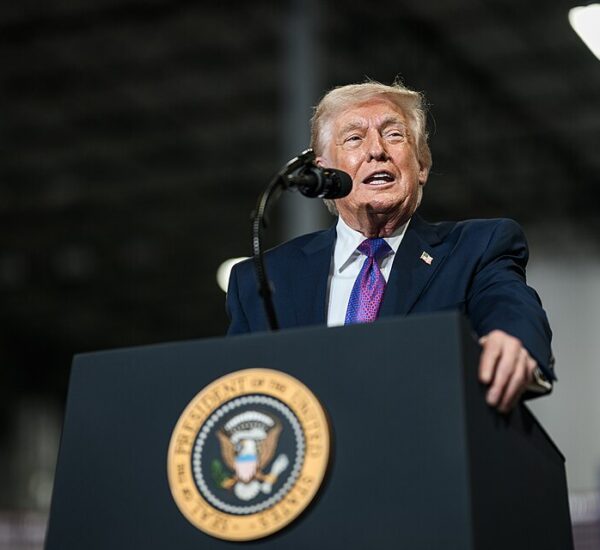
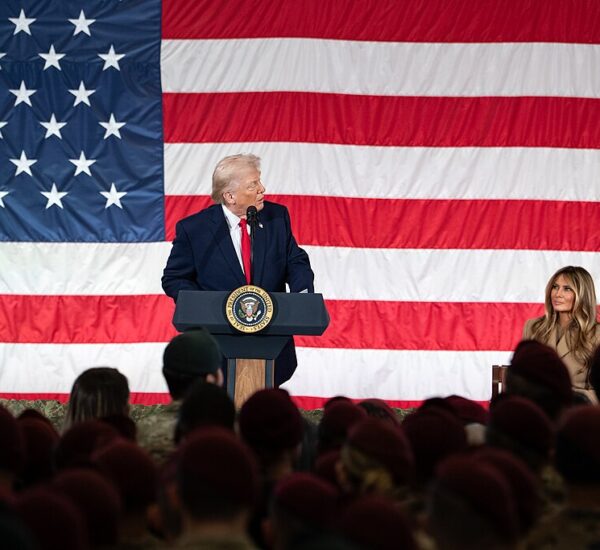
President Donald Trump’s latest international initiative is rapidly gaining traction, as dozens of countries move to join a newly formed “Board of Peace” aimed at stabilizing the Gaza Strip after years of violence linked to Hamas and Israel.
Administration officials say the effort represents one of the most ambitious peace and reconstruction frameworks in decades, with up to 59 nations now involved or under consideration.
The Board of Peace is designed to support ceasefire enforcement, restore civil order, and oversee long-term rebuilding—steps Trump officials argue have been missing from past international approaches.
A U.S.-Led Push for Stability
According to the White House, invitations were extended to roughly 60 nations, asking them to participate in maintaining security and governance during Gaza’s transition period.
Officials confirmed that countries seeking permanent membership would be expected to contribute financially, with reports indicating a $1 billion commitment for a full seat at the table. The funding is intended to ensure accountability, resources, and sustained involvement.
Leaders are expected to formalize their participation during a signing ceremony in Davos, Switzerland, where global officials are meeting this week for the World Economic Forum.
Some Decline, Many Say Yes
While a handful of European governments—including France, Norway, and Sweden—have declined participation, citing concerns about overlapping United Nations authority, many other nations have chosen to support the Trump-led framework.
Supporters argue the Board offers something previous efforts lacked: clear leadership, defined responsibilities, and enforceable commitments.
Countries That Have Joined the Board of Peace
Argentina
President Javier Milei said Argentina stands firmly with nations that confront terrorism, protect property, and promote freedom and peace.
Belarus
President Alexander Lukashenko confirmed Belarus is prepared to serve as a founding member, describing the initiative as a potential model for resolving future conflicts worldwide.
Morocco
Morocco’s government announced that King Mohammed VI accepted the invitation, emphasizing that the Board will function as a formal international organization focused on stability and governance.
Vietnam
Vietnam’s leadership accepted the invitation, calling the Board a necessary step to advance peace-building and post-conflict reconstruction efforts.
Pakistan
Pakistan confirmed its participation, expressing hope that the framework will help secure a permanent ceasefire, expand humanitarian assistance, and rebuild Gaza’s infrastructure.
Kazakhstan
Kazakhstan’s president is scheduled to attend the Davos signing ceremony, signaling the country’s commitment to the initiative.
Uzbekistan
Uzbek officials said the nation is ready to join as a founding state, describing the plan as an important move toward lasting regional stability.
Kosovo
Kosovo’s president praised the initiative, pointing to America’s historic role in bringing peace to Kosovo and reaffirming strong support for U.S.-led efforts.
Hungary
Prime Minister Viktor Orbán confirmed Hungary’s acceptance, calling participation in the Board an honor.
United Arab Emirates
The UAE said its decision reflects confidence in President Trump’s leadership and builds upon earlier regional breakthroughs, including the Abraham Accords.
Strong Support From the Middle East
In a joint announcement, Egypt, Turkey, Qatar, Jordan, Indonesia, Saudi Arabia, Pakistan, and the United Arab Emirates confirmed their decision to join the Board of Peace.
Officials described the Board as a transitional administration focused on ceasefire enforcement, humanitarian aid, and reconstruction—aimed at restoring long-term security across the region.
More Nations Sign On
Additional countries that have agreed to participate include Israel, Bahrain, Albania, Armenia, and Azerbaijan, further expanding the initiative’s global reach.
Why This Matters
Supporters say the Board of Peace represents a clear departure from years of stalled diplomacy, placing responsibility and funding in the hands of nations willing to act rather than issue symbolic resolutions.
Whether the effort succeeds remains to be seen, but backers argue it reflects a broader shift toward results-driven diplomacy—one that emphasizes accountability, stability, and security over endless negotiations.