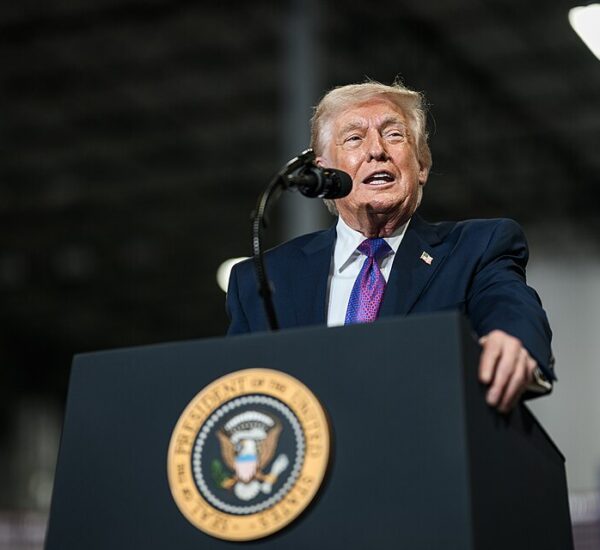
Trump Lowers Car Prices?
Senior officials in the Donald Trump administration spent the weekend highlighting new efforts aimed at reducing vehicle prices for American families, as affordability remains a major concern nationwide.
Administration leaders say decades of growing federal regulations — especially those targeting vehicle emissions — have added thousands of dollars to the cost of new cars and trucks, putting pressure on household budgets.
Auto Policy Leaders Tour Midwest Manufacturing Hubs
Transportation Secretary Sean Duffy, EPA Administrator Lee Zeldin, and U.S. Trade Representative Jamieson Greer concluded a two-day Midwest tour with a visit to the Detroit Auto Show.
The tour also included stops at major U.S. manufacturing facilities operated by Ford and Stellantis, underscoring the administration’s focus on domestic production and blue-collar jobs.
Officials emphasized that rolling back Biden-era electric vehicle mandates gives automakers more flexibility to build vehicles consumers actually want — including affordable gas-powered models.
Administration Says Consumer Choice Comes First
Duffy said the regulatory changes are designed to bring immediate relief to car buyers.
“These reforms help lower sticker prices and restore balance,” Duffy said. “This isn’t about banning electric vehicles. It’s about letting Americans choose without government pressure.”
Zeldin echoed that view, saying federal agencies should not steer markets away from consumer demand.
“The government should not be forcing the auto industry in one direction,” Zeldin said. “Americans should decide what they drive.”
Vehicle Prices Remain a Key Issue for Families
Vehicle affordability remains a growing concern as inflation continues to squeeze household budgets ahead of the midterm elections.
According to data from Cox Automotive, the average price paid for a new vehicle reached more than $50,000 late last year, driven by higher production costs and fewer entry-level options.
President Trump previously signed legislation eliminating federal EV tax credits, reversing fuel-efficiency penalties, and blocking state-level mandates that critics said drove prices higher without meaningful consumer benefit.
Sales Rise Despite Trade Pressure
The administration has also imposed tariffs on certain imported vehicles and parts to encourage domestic manufacturing.
While critics warned of higher prices, administration officials say the data tells a different story.
Greer said vehicle prices are already trending lower and that supply-chain pressures have not reached consumers in a meaningful way.
Despite regulatory changes and tariffs, U.S. vehicle sales rose 2.4% in 2025 to more than 16 million units — a sign, officials say, that consumer confidence remains strong.
Regulatory Rollbacks Aim to Cut Up-Front Costs
In December, the U.S. Department of Transportation proposed scaling back fuel-efficiency rules enacted under the previous administration. The Environmental Protection Agency is also expected to finalize changes to vehicle emissions requirements.
Federal estimates suggest the reforms could reduce the upfront cost of new vehicles by nearly $1,000 — savings the administration says matter most to working Americans trying to manage rising costs.