Trump Ramps Up Pressure On Iran
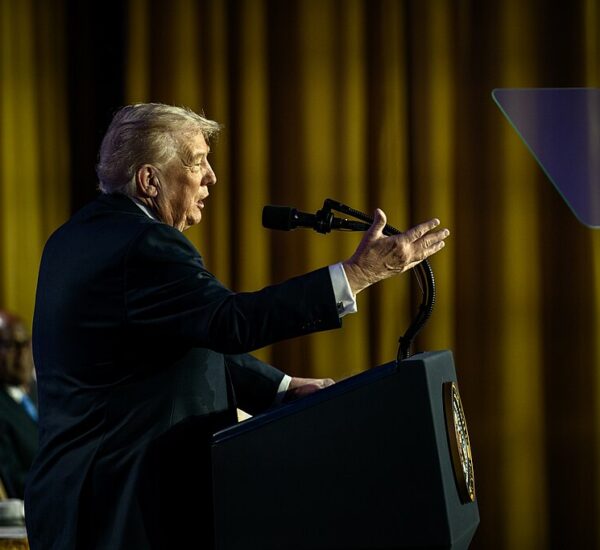
President Donald Trump confirmed Monday that he will be involved “indirectly” in upcoming Iran nuclear talks set to begin Tuesday in Geneva, signaling that the United States is approaching negotiations with caution — and strength.
Speaking aboard Air Force One, President Trump made clear the discussions will carry serious weight for U.S. national security.
“I’ll be involved in those talks, indirectly. And they’ll be very important,” he told reporters.
For many Americans concerned about Iran’s nuclear ambitions, these negotiations represent a pivotal moment in U.S.–Iran relations.
U.S. Military Presence Expands Ahead of Iran Talks
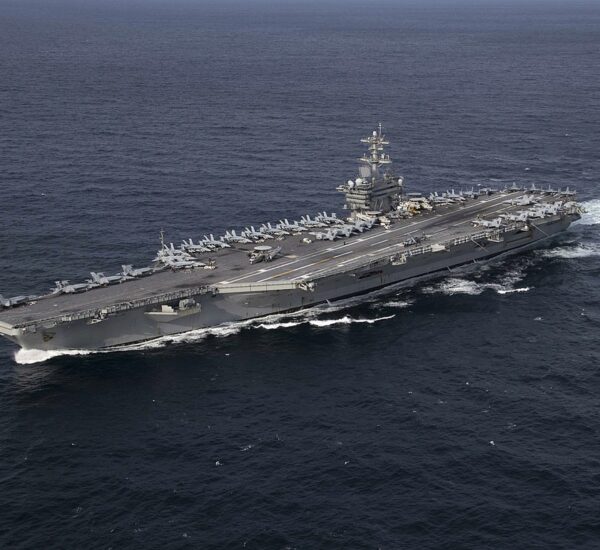
As diplomatic discussions approach, the United States has increased its military posture in the Middle East. A second aircraft carrier strike group has been deployed to the region, reinforcing America’s readiness during sensitive negotiations.
Defense officials have indicated the Pentagon is prepared for multiple outcomes. Contingency planning is reportedly underway in the event diplomacy does not succeed.
This dual-track approach — diplomacy backed by military strength — has been a defining feature of President Trump’s foreign policy strategy.
Supporters argue that negotiating from a position of power improves America’s leverage and strengthens the chances of a meaningful agreement.
Why Iran Nuclear Enrichment Remains the Central Issue
At the heart of the renewed Iran nuclear talks is a long-standing dispute over uranium enrichment.
The United States has insisted that Tehran halt enrichment activities on its own soil. American officials view enrichment capability as a potential pathway toward nuclear weapons development — a concern that has driven years of tension.
Previous negotiations stalled when Iran refused to abandon enrichment.
That impasse ultimately led to U.S. military strikes last summer targeting Iranian nuclear facilities — an action President Trump referenced when discussing the stakes of current talks.
“I don’t think they want the consequences of not making a deal,” the president said.
Analysts suggest that last year’s events may be influencing Tehran’s willingness to reengage diplomatically.
Rising Regional Tensions as Talks Begin in Geneva
With negotiations underway, tensions remain high across the Middle East.
On Monday, Iran’s civil defense authorities conducted a chemical preparedness drill in the Pars Special Economic Energy Zone, a major energy hub in southern Iran. Officials described the exercise as a readiness measure.
While Iran maintains the drill was precautionary, the timing underscores the seriousness of the current moment.
The world will be watching closely as U.S.–Iran nuclear negotiations resume.
What a New Iran Nuclear Deal Could Mean for American Security
For Americans — especially those who have watched decades of instability in the Middle East — the outcome of these talks carries major implications.
Key questions remain:
- Will Iran agree to meaningful restrictions?
- Can any agreement be verified and enforced?
- What happens if diplomacy fails again?
President Trump’s comments suggest the administration is determined to avoid agreements critics once described as too weak or insufficiently enforced.
Instead, the focus appears to be on measurable outcomes, verifiable compliance, and maintaining U.S. military readiness throughout the process.
The Bottom Line: Diplomacy Backed by Strength
The upcoming Iran nuclear talks in Geneva could mark a turning point in U.S. foreign policy.
President Trump has made clear that while he may not be physically present at the negotiating table, his administration’s strategy will guide the process.
America is engaging diplomatically — but from a position of preparedness.
Whether Iran chooses cooperation or confrontation may shape the security balance in the Middle East for years to come.
For now, negotiations begin under heightened military readiness and global attention.