Trump To Upend GOP Plans?
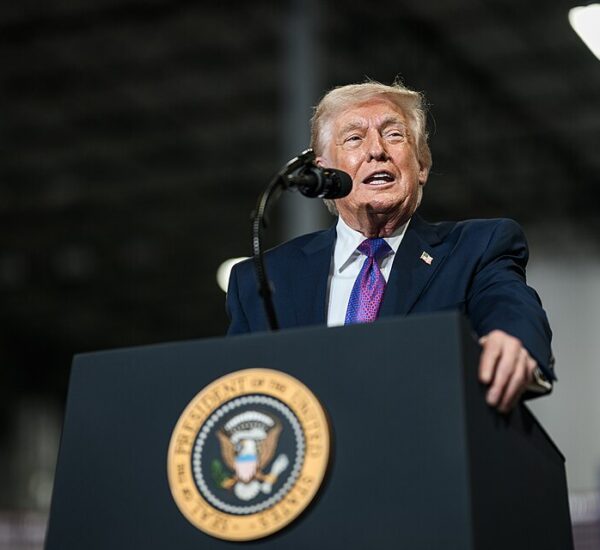
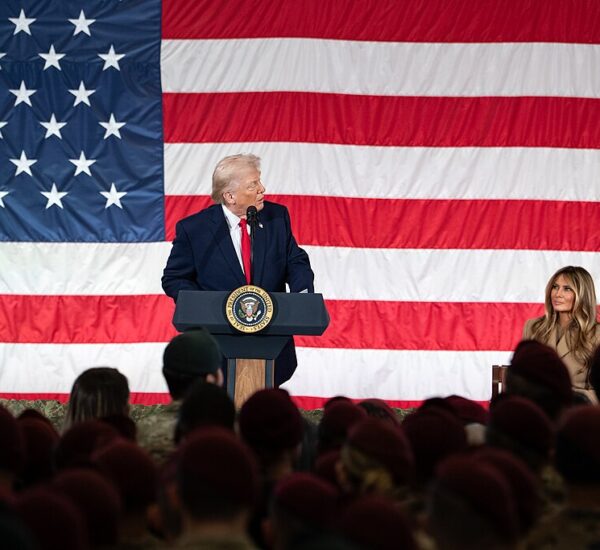
President Donald Trump has injected fresh uncertainty into Louisiana politics after endorsing Rep. Julia Letlow for the U.S. Senate, bypassing incumbent Republican Sen. Bill Cassidy.
The move has surprised party leaders, disrupted what was expected to be a straightforward Republican primary, and raised new questions about how the GOP will navigate a critical election year.
Louisiana is considered a solid red state, but Trump’s decision has quickly turned the Senate contest into one of the most closely watched Republican races in the country.
Why Republican Leaders Are Concerned
Behind the scenes, Senate Republicans are uneasy about the timing of Trump’s endorsement. Party leaders are working with narrow margins and hoping to push through key conservative priorities before November’s elections.
Cassidy currently chairs the Senate Health, Education, Labor and Pensions (HELP) Committee, which plays a central role in shaping legislation on health care, education policy, and workforce issues.
Losing Cassidy’s cooperation — or weakening his position — could complicate efforts to move Republican-backed bills through the Senate without Democratic support.
A Rift That Never Fully Healed
Trump’s frustration with Cassidy stretches back several years, particularly after the Louisiana senator voted to convict Trump during the 2021 impeachment trial.
Although Cassidy has since supported major Trump-backed initiatives and nominees, many grassroots conservatives in Louisiana have remained skeptical of his loyalty.
That skepticism has fueled multiple primary challenges from the right, even before Letlow officially entered the race.
Senate Leadership Closes Ranks Around Cassidy
Despite Trump’s endorsement, Senate leaders are standing by Cassidy.
Senate Majority Whip John Barrasso said he has supported Cassidy from the beginning and sees no reason to change course.
Senate Majority Leader John Thune, along with the National Republican Senatorial Committee, has also reaffirmed support for the incumbent senator.
Thune recently appeared alongside Cassidy in Louisiana to promote Republican tax relief proposals and attend campaign events.
Legislative Stakes Are High
Republicans are weighing the possibility of another party-line legislative package later this year, particularly if bipartisan talks on health care and tax policy stall.
In a closely divided Senate, leaders say every Republican vote matters — especially from committee chairs with influence over major bills.
Several GOP aides privately warn that prolonged internal conflict could slow momentum heading into the summer legislative window.
Campaign Timeline and Fundraising Edge
Louisiana’s Republican primary is scheduled for mid-May, with a filing deadline in mid-February.
Cassidy is widely expected to remain in the race and currently holds a strong financial advantage, reporting approximately $11 million in campaign funds at the end of last year.
That war chest gives the senator flexibility as outside groups and donors decide whether to engage more aggressively.
Outside Groups Watching Closely
The Senate Leadership Fund, aligned with Senate leadership, has indicated it prefers to conserve resources for competitive states.
However, Trump’s involvement could force Republicans to spend money in Louisiana — a state typically considered a safe GOP hold.
Political consultants note that wealthy donors in the state are now under pressure to choose sides or spread contributions across multiple candidates.
Bottom Line
What began as a routine Republican primary has quickly evolved into a high-stakes test of party unity, loyalty, and strategy.
With Trump’s endorsement reshaping the race and Senate leaders focused on protecting their narrow majority, Louisiana’s Senate contest could have ripple effects far beyond the state.
As deadlines approach, Republicans will be watching closely to see whether this internal battle settles — or intensifies — heading into the heart of the election year.