Trump Gets Another Rate Cut?
A top Federal Reserve official is cautioning that additional interest rate cuts may not come quickly, signaling that policymakers want more time to evaluate the economy after last year’s round of easing.
Anna Paulson, president of the Federal Reserve Bank of Philadelphia, said Saturday that inflation appears to be cooling, economic growth is steady, and the labor market is stabilizing—but not enough yet to justify immediate action.
Speaking ahead of the 2026 Allied Social Science Associations Annual Meeting in Philadelphia, Paulson said the economy is on track for roughly 2 percent growth this year, a pace the Fed views as sustainable.
“If those trends continue,” Paulson said, “then modest adjustments to interest rates could be appropriate later in the year.”
For now, however, she made clear that the Fed believes its current policy stance is still doing important work. Paulson said the federal funds rate remains slightly restrictive, continuing to apply downward pressure on inflation.
Paulson will hold a vote this year on the Federal Open Market Committee, which sets U.S. interest rates. In 2025, the committee lowered rates by three-quarters of a percentage point, cutting in three separate steps and ending the year with rates in a 3.5% to 3.75% range.
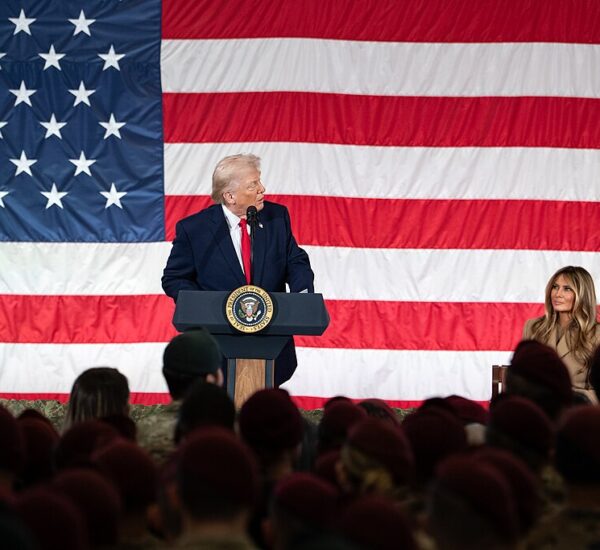
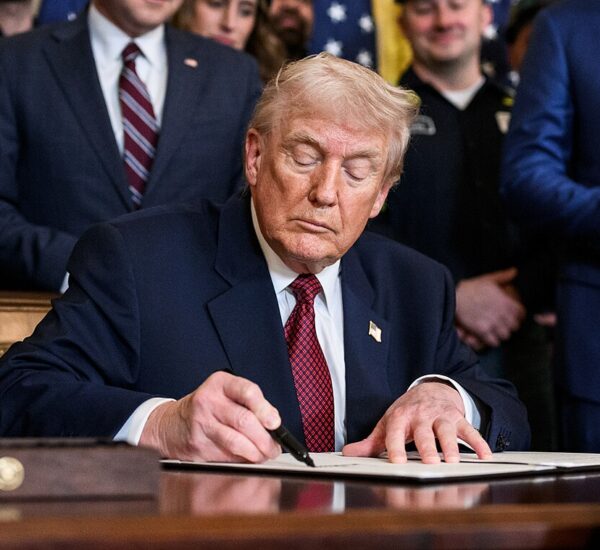
Those decisions came amid competing pressures inside the central bank. Officials sought to slow inflation without weakening the job market too much, while also navigating political pressure from Donald Trump, who repeatedly called for deeper and faster cuts to support economic growth.
At the same time, some Fed policymakers resisted easing too aggressively, arguing inflation was still running above the central bank’s long-standing 2 percent target.
At the Fed’s December meeting, Chair Jerome Powell offered little guidance on the timing of future rate reductions. However, internal forecasts still suggest some level of easing could occur later this year, depending on economic data.
Paulson said she remains cautiously optimistic that inflation will continue to trend lower, particularly as tariff-related price increases finish working their way through the economy.
“I see a reasonable chance that inflation ends the year close to 2 percent on a run-rate basis,” she said.
On employment, Paulson acknowledged that hiring has slowed but emphasized that conditions remain far from recessionary.
“The labor market is bending, not breaking,” she said, pointing to a mix of both reduced demand from employers and changes in labor supply.
She added that job trends will be closely watched throughout the year, as Fed officials weigh whether—and when—additional policy adjustments make sense.