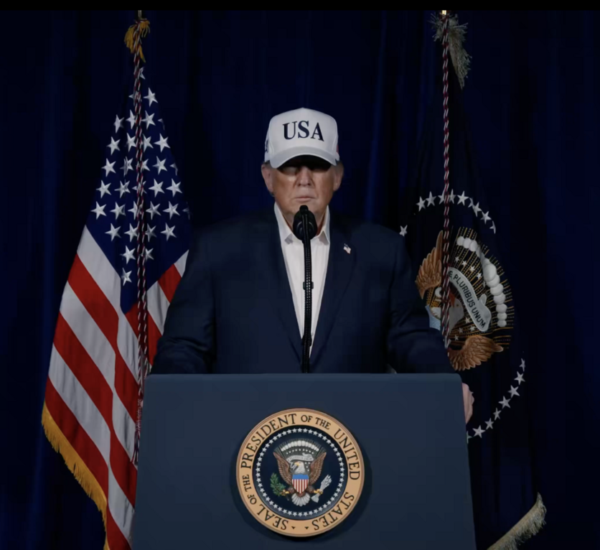
This was shocking to hear.
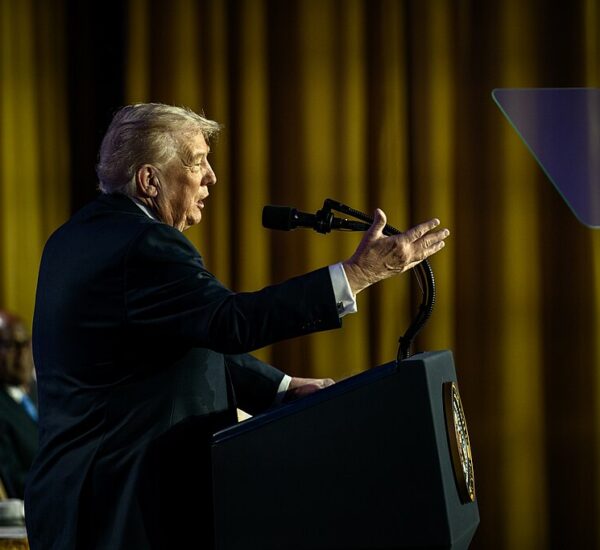
President Donald Trump delivered a powerful ultimatum Saturday, giving Iran just 48 hours to reopen the critical Strait of Hormuz—or face what he described as devastating U.S. military action.
In a direct and forceful statement on Truth Social, Trump warned that if Iran fails to immediately restore safe passage through the vital waterway, the United States is prepared to strike key energy and infrastructure targets.
The message was clear: reopen the strait—or face serious consequences.
Why the Strait of Hormuz Matters to Americans
For many Americans—especially those on fixed incomes—this situation is more than foreign policy. It directly impacts everyday costs.
The Strait of Hormuz handles about 20% of the world’s oil supply, making it one of the most important shipping routes on Earth.
Since Iran effectively blocked the passage following recent military tensions, global energy markets have reacted fast:
- Oil prices have surged past $100 per barrel
- Gas prices are under pressure to rise again
- Supply concerns are growing worldwide
For retirees and working families alike, higher fuel costs can quickly ripple into groceries, utilities, and everyday expenses.
Trump Pushes Back Against Media Narrative
President Trump also used the moment to respond to critics in the media, arguing that U.S. efforts in the region are succeeding faster than expected.
He sharply criticized reporting that questioned the administration’s progress, saying the situation on the ground tells a very different story.
According to Trump, Iran’s military strength has been significantly weakened, and its leadership is now in a far more vulnerable position than before.
No Cease-Fire—And No Backing Down
Speaking to reporters Friday, Trump made it clear he is not interested in a cease-fire at this time.
He suggested the damage inside Iran is extensive and could take years to rebuild, reinforcing his view that the United States holds the strategic advantage.
The president also criticized Iran for disrupting global shipping and expressed frustration that NATO allies have not taken stronger action to keep the vital trade route open.
What Could Happen Next
President Trump emphasized that all options remain on the table, including potential military action to secure the Strait of Hormuz and protect global energy flow.
Possible next steps could include:
- U.S. military operations to reopen the strait
- Targeted strikes on infrastructure
- Increased naval presence in the region
With oil markets already reacting, the next 48 hours could have major consequences—not just overseas, but here at home.
Why This Story Matters Now
This developing situation highlights a broader issue many Americans are watching closely: energy independence, national security, and economic stability.
For millions of Americans over 50, especially those managing retirement budgets, global events like this can quickly translate into real financial pressure.
Final Thoughts
President Trump’s 48-hour warning signals a high-stakes moment in U.S. foreign policy—one that could impact everything from gas prices to global stability.
As the deadline approaches, all eyes will be on whether Iran backs down—or whether the situation escalates further.