Trump Puts New Responsibility On States
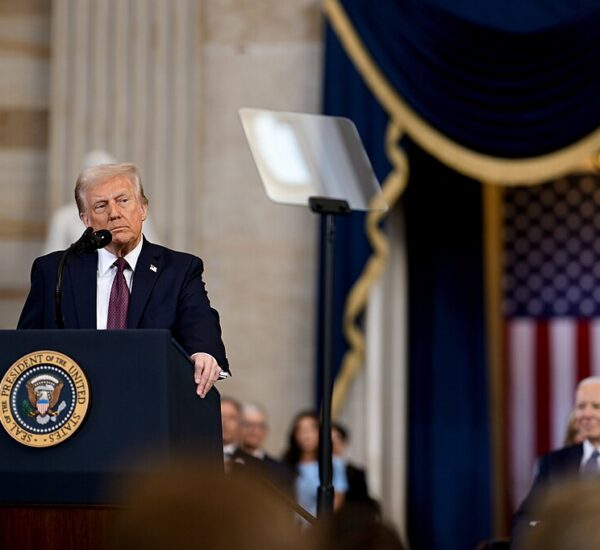
President Donald Trump is once again challenging the size and scope of the federal government—this time turning his attention to one of the fastest-growing financial burdens facing American families: child care.
During an Easter event at the White House, Trump suggested a bold shift—moving child care responsibilities away from Washington and back to the states. His remarks have sparked strong reactions, but they also highlight a growing concern among taxpayers: Is the federal government doing too much, and spending too much, in the wrong places?
Trump: Let States Handle Child Care—and Lower Federal Taxes
President Trump made it clear that he believes child care is best managed at the state level, not by federal bureaucrats.
According to Trump, states should take full responsibility—including funding—while the federal government focuses on its core duties like national defense and economic stability.
He also pointed out a potential upside many Americans will welcome:
➡️ Lower federal taxes if Washington reduces its role
For millions of middle-class families already stretched thin, that message hits home.
Rising Child Care Costs Are Crushing Families
The timing of Trump’s comments comes as child care costs continue to skyrocket across the country.
- The average cost now exceeds $13,000 per year per child
- Many providers have raised prices due to higher rent, insurance, and labor costs
- Child care workers earn only around $32,000 annually, making staffing a major challenge
This has created a system where:
- Families struggle to afford care
- Providers struggle to stay open
- Workers struggle to make ends meet
It’s a broken cycle—and voters are demanding solutions.
Federal Spending Under Scrutiny
Trump’s proposal also taps into a broader frustration: how taxpayer dollars are being spent.
Recent reports show:
- Billions of dollars have been spent on overseas conflicts in a matter of days
- Meanwhile, child care funding—while significant—remains stretched and inefficient
For many Americans, especially older voters on fixed incomes, the question is simple:
👉 Are our priorities in the right place?
Concerns Over Waste, Fraud, and Mismanagement
The Trump administration has also raised concerns about fraud and abuse within existing child care programs.
Investigations have been launched into multiple states after allegations surfaced that some facilities received funding despite having little to no children enrolled.
Administration officials argue that:
- State-level control could improve oversight
- Local governments are better positioned to detect fraud
- Reducing federal involvement could cut waste
For taxpayers, accountability remains a top concern.
Critics Push Back—But Congress Holds the Power
Opponents, largely from left-leaning advocacy groups, argue that states may not have the financial capacity to fully support child care systems on their own.
However, any major changes would ultimately depend on Congress, which controls federal spending.
Even in recent budget negotiations, lawmakers have continued to support child care funding—though often in smaller, incremental increases.
A Bigger Question: Who Should Be in Charge?
At its core, this debate is about more than child care.
It’s about:
- Federal vs. state power
- Taxpayer responsibility
- Government efficiency
Trump’s proposal forces a fundamental question many Americans are already asking:
👉 Should Washington continue expanding its role in everyday life—or is it time to return power to the states?
Bottom Line
With child care costs rising, government spending under scrutiny, and families feeling the pressure, this issue isn’t going away anytime soon.
President Trump’s proposal may be controversial—but it has clearly struck a nerve in a country increasingly concerned about cost, control, and common sense.