Canadian Leader Fires Back At Trump
Canadian Prime Minister Mark Carney said Tuesday that he held what he described as a “positive” conversation with President Donald Trump, after Trump publicly warned he could block the opening of a major U.S.–Canada border bridge.
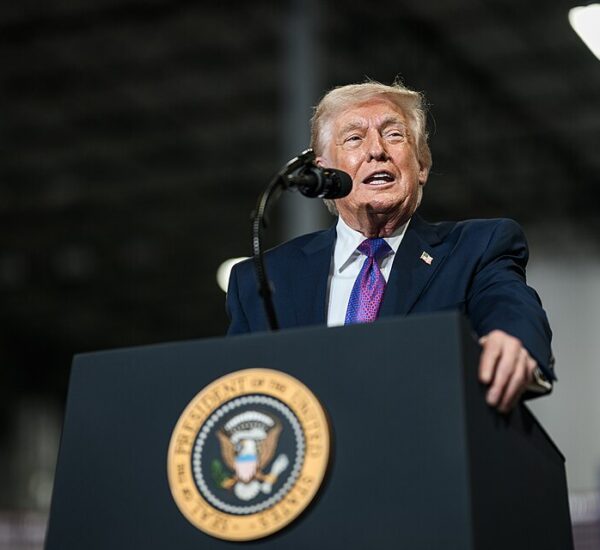
The call followed President Trump’s statement on Truth Social, where he said he would not allow the Gordie Howe International Bridge to open unless the United States is fully compensated for what it has contributed to Canada over decades of trade, security, and economic cooperation.
The bridge spans the Detroit River and is expected to become one of the busiest commercial crossings between the United States and Canada, serving as a key artery for manufacturing, trucking, and cross-border commerce.
Speaking to reporters, Carney attempted to strike a conciliatory tone, even referencing an Olympic women’s ice hockey matchup between the two nations. “It was a positive conversation,” Carney said. “It’s a big game today, and we’re going to win.”
Carney said he explained to President Trump that Canada covered the cost of construction, which exceeded $4 billion, and that ownership of the project is shared between the Canadian government and the state of Michigan. He also emphasized that both Canadian and American workers and materials were involved in building the bridge.
According to Carney, U.S. steel and American labor played a role in construction alongside Canadian companies, calling the project an example of cross-border cooperation.
Carney added that he hopes the bridge opens soon, citing its importance for trade, tourism, and travel for both Americans and Canadians.
Despite those remarks, the Trump administration has made clear that serious concerns remain.
White House press secretary Karoline Leavitt told reporters Tuesday that President Trump views Canada’s control over what crosses the bridge — and its ownership of land on both sides — as unacceptable.
She also criticized the limited use of American-made materials in the project, reinforcing Trump’s broader push to prioritize U.S. manufacturing, domestic labor, and national economic interests.
The dispute underscores ongoing tensions between Washington and Ottawa as President Trump continues to take a tougher stance on trade, border infrastructure, and foreign agreements during his second term — policies aimed squarely at protecting American workers and U.S. economic sovereignty.