Trump Slashes UN Budget?
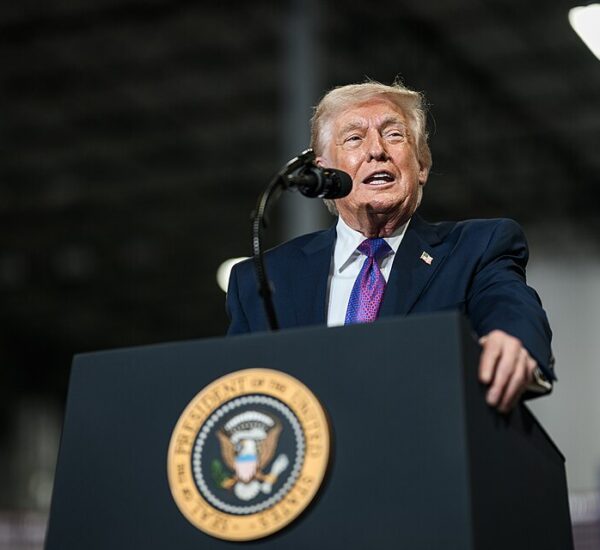
The Trump administration has secured what U.S. officials describe as the largest budget reduction in the history of the United Nations, cutting hundreds of millions of dollars from the global organization and delivering significant savings for American taxpayers.
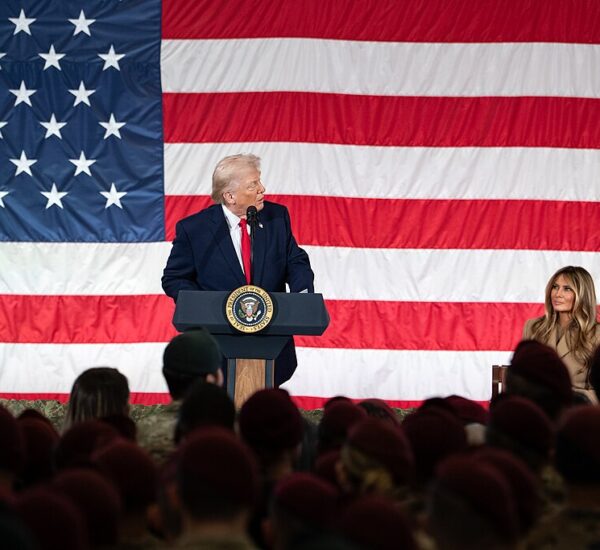
U.S. diplomats involved in the negotiations say the reductions are part of President Donald Trump’s ongoing effort to reform international institutions, which he has repeatedly criticized for excessive bureaucracy, wasteful spending, and lack of accountability.
According to U.S. officials, the agreement trims $570 million from the U.N.’s 2026 operating budget, reducing the United States’ financial obligation by approximately $126 million.
First Major Budget Rollback in Modern U.N. History
U.S. Ambassador to the United Nations Mike Waltz said the cuts represent a major turning point for an organization that has rarely reduced spending since its founding.
“These are real, measurable budget cuts — not accounting tricks,” Waltz said. “The United Nations has never experienced reductions of this scale in modern times.”
The budget rollback equals a 15.2 percent decrease from the previous year and reflects the Trump administration’s broader strategy to press international bodies to prioritize essential missions, including diplomacy, humanitarian relief, and conflict prevention.
Breakdown of the Spending Reductions
U.S. officials outlined several areas targeted for cost savings, including:
- $110 million cut from the U.N. Secretariat, which oversees daily administrative operations
- $160 million reduction in field missions worldwide
- $300 million in general spending cuts, aimed at reducing redundancy and administrative overhead
In addition, officials confirmed the elimination of approximately 2,900 U.N. bureaucratic positions, further lowering long-term payroll and pension obligations.
Because the United States contributes 22 percent of the U.N.’s annual budget, the agreement directly lowers the burden on American taxpayers.
Focus on Long-Standing Spending Concerns
U.S. Ambassador for Management and Reform Jeffrey Bartos said the budget deal reflects President Trump’s directive to pursue meaningful reform rather than symbolic changes.
Officials also highlighted long-standing concerns about U.N. spending practices, pointing to large sums devoted to conferences, compensation programs, and retirement benefits.
According to U.S. officials, the U.N. spent $340 million in 2024 on conferences and meetings, while employee compensation accounts for roughly $16 billion of the organization’s estimated $64 billion global budget.
That figure includes $2.1 billion annually for pension obligations, which critics say rely on outdated benefit structures no longer common in the private sector.
“These systems don’t meet basic cost-benefit standards,” Bartos said. “They fail a simple common-sense test.”
Reform Without Withdrawal
Despite the aggressive cost-cutting measures, U.S. officials rejected calls for the United States to withdraw from the United Nations entirely, arguing that the organization still serves an important diplomatic function when properly managed.
Waltz emphasized that President Trump supports diplomacy but insists on fair burden-sharing among member nations.
“There needs to be a place where countries can communicate,” Waltz said. “We want that place to remain in the United States — not shift influence elsewhere.”
Officials said the reforms are consistent with the administration’s America First approach, which seeks to protect U.S. taxpayers while ensuring international institutions operate efficiently and responsibly.