Trump Clarifies Iran Rumors
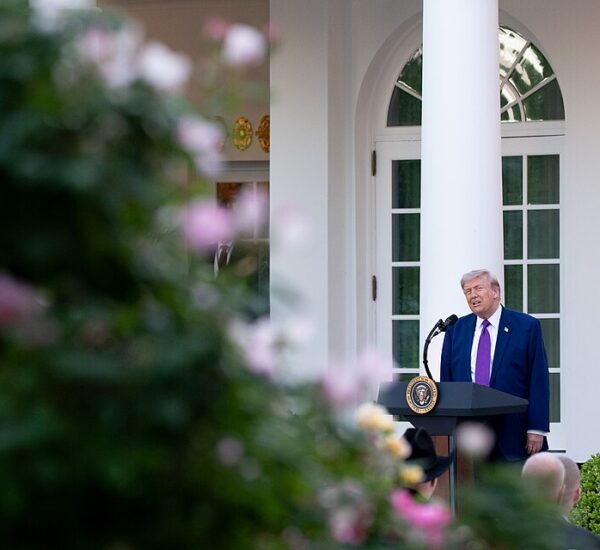
President Donald Trump delivered a powerful message late Thursday, making it clear that the United States is still willing to move forward with a ceasefire agreement with Iran—but only if Tehran acts quickly.
In unmistakable terms, Trump warned that failure to accept the deal could lead to devastating consequences.
“If there’s no ceasefire, you won’t need anyone to explain what happens next,” Trump told reporters. “You’ll see one big glow coming out of Iran. They need to sign the agreement fast.”
For millions of Americans watching events unfold in the Middle East, Trump’s message was simple: choose peace now, or face overwhelming consequences.
What the Proposed Trump-Iran Deal Would Do
Reports indicate that the Trump administration has drafted a one-page agreement designed to reduce tensions and restore stability in the region.
If accepted, the proposal would:
- Reopen the Strait of Hormuz, one of the world’s most important oil shipping routes
- Lift U.S. sanctions on Iran
- Require Tehran to halt uranium enrichment
- Begin a 30-day negotiating period for a broader nuclear agreement
The proposal offers Iran a clear path to economic relief, but only if its leaders abandon nuclear ambitions and stop aggressive military actions.
Why the Strait of Hormuz Matters to Every American
The Strait of Hormuz is one of the most critical energy chokepoints in the world.
A significant portion of the global oil supply passes through this narrow corridor. If shipping is disrupted:
- Gasoline prices can spike rapidly
- Inflation can worsen
- Retirement portfolios can suffer
- Household budgets can face new pressure
For older Americans living on fixed incomes, stability in this region directly affects the cost of everyday necessities.
Trump Paused Military Action to Give Diplomacy a Chance
Earlier this week, President Trump reportedly halted an operation intended to escort commercial ships trapped in the Strait of Hormuz.
The decision demonstrated that Trump remains open to diplomacy—but only from a position of unquestionable strength.
This strategy has long been a hallmark of Trump’s foreign policy: pursue peace, but never project weakness.
U.S. Military Destroys Iranian Attack Forces
On Thursday, U.S. Central Command (CENTCOM) announced that American forces intercepted what it described as unprovoked Iranian attacks in the Strait of Hormuz.
In response, U.S. forces carried out defensive strikes.
According to CENTCOM:
- No American personnel were injured
- No U.S. military assets were damaged
- The Iranian forces involved were neutralized
President Trump later stated on Truth Social that the attacking units were “completely destroyed.”
Trump: Iran’s Leaders Cannot Be Trusted With Nuclear Weapons
Trump strongly criticized Iran’s leadership, warning that the regime poses a serious threat to global security.
He argued that Iran’s rulers have repeatedly demonstrated reckless behavior and should never be allowed to obtain nuclear weapons.
Trump also made clear that if Iran refuses the deal, future military action would be even more decisive.
For supporters of President Trump, the message reflects the same America First philosophy that helped restore U.S. strength on the world stage.
Key U.S. Ally Intercepts Missiles and Drones
The United Arab Emirates, one of America’s closest regional allies, announced Friday that its air defense systems intercepted:
- Two ballistic missiles
- Three armed drones
Officials reported that three people were injured.
The attacks highlight how quickly tensions could spread throughout the Middle East if diplomacy fails.
Iran Pushes Back Against U.S. Pressure
Iranian Foreign Minister Abbas Araghchi accused the United States of undermining negotiations.
In a public statement, he claimed Iran would not yield under pressure and insisted that military actions only strengthen the country’s resolve.
Despite the rhetoric, Iran now faces a major decision: sign the agreement or risk deeper isolation and more severe consequences.
Trump’s America First Strategy in Action
President Trump’s handling of the crisis reflects a clear and consistent strategy:
- Negotiate from strength
- Protect American interests
- Support key allies
- Prevent Iran from obtaining nuclear weapons
- Avoid endless wars while maintaining overwhelming military deterrence
This approach has resonated strongly with conservative voters who believe peace is best achieved through strength and resolve.
What Happens Next?
The coming days could determine whether the Middle East moves toward stability or enters a more dangerous phase.
If Iran signs the deal:
- Sanctions may be lifted
- Oil markets could stabilize
- Regional tensions may ease
If Iran refuses:
- Military pressure could intensify
- Economic isolation may deepen
- The risk of broader conflict could increase
President Trump has made one point unmistakably clear: the United States will not allow Iran to threaten America, its allies, or the world with nuclear weapons.
For millions of Americans, that strong leadership offers reassurance during one of the most serious international crises in recent years.