Democrat Regrets Party’s Decision
In a surprising admission that is drawing attention across Washington, Sen. John Fetterman (D-Pa.) says Democrats made a major mistake when they pushed to eliminate the Senate filibuster just a few years ago.
The Pennsylvania senator, who has increasingly broken with members of his own party on several issues, acknowledged during a recent podcast interview that he was wrong to support efforts aimed at ending one of the Senate’s most important procedural safeguards.
His comments mark a dramatic reversal from the position he held during his 2022 Senate campaign and could reignite debate over whether the filibuster remains an essential protection for America’s constitutional system.
Fetterman Says Democrats Got It Wrong
Speaking with Katie Miller on her podcast, Fetterman reflected on the intense pressure Democrats faced during the Biden administration to eliminate the filibuster.
According to Fetterman, he now believes that effort was misguided.
“One thing I was absolutely wrong on,” Fetterman said. “In my cycle, in 2022, we were running to eliminate the filibuster. And we were so wrong. So wrong about that.”
The senator added that he has become increasingly convinced the Senate rule serves an important purpose, even when it frustrates lawmakers trying to advance their political agenda.
His comments represent one of the clearest acknowledgments from a Democratic senator that preserving the filibuster may have been the correct decision.
Manchin and Sinema Vindicated
Fetterman also praised former Senators Joe Manchin of West Virginia and Kyrsten Sinema of Arizona, who faced enormous criticism from fellow Democrats when they refused to support eliminating the filibuster.
At the height of the debate, both lawmakers joined Republicans in defending the Senate’s traditional 60-vote threshold, effectively blocking Democratic efforts to change the rules.
Many Democrats accused the pair of standing in the way of key legislation.
Today, Fetterman says history has proven them right.
“I think Sen. Sinema and Manchin were vindicated by this,” he said.
The comments are notable because Fetterman himself was among those who opposed their position at the time.
Why the Filibuster Matters
The Senate filibuster requires most major legislation to secure 60 votes before it can advance to a final vote.
Supporters argue that the rule forces compromise, encourages bipartisan cooperation, and protects the voices of millions of Americans represented by the minority party.
Critics, however, have long argued that the filibuster slows legislation and makes it more difficult for whichever party controls Congress to enact its agenda.
Fetterman now says eliminating the rule could create serious long-term consequences.
“We have the risk that if we lose the filibuster, then the rights of the minority—whether that will be Democrat or Republican minority—would effectively have little to no voice,” he explained.
For many constitutional conservatives, that concern has been central to the debate from the beginning.
The Founders designed the Senate to function differently from the House of Representatives, providing a more deliberate legislative process and preventing rapid political swings whenever power changes hands.
Warning of “Profound Ramifications”
Fetterman went even further, warning that eliminating the filibuster could fundamentally transform the Senate.
“If we become a smaller version of the House, that would have profound ramifications for the United States,” he said.
“That would be dangerous.”
The statement reflects concerns frequently raised by Republicans who argue that removing procedural safeguards would allow narrow majorities to pass sweeping legislation with little incentive to seek bipartisan support.
Those concerns have become increasingly relevant as control of Washington continues to shift between the two major parties.
Trump and Republicans Face Their Own Filibuster Debate
Ironically, the debate over the filibuster is no longer confined to Democrats.
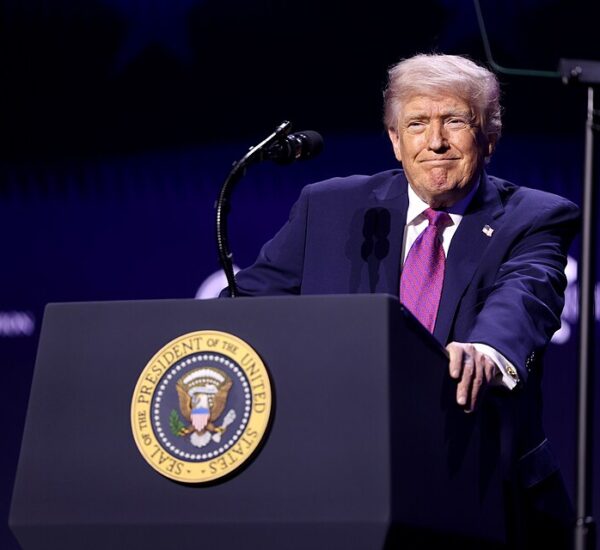
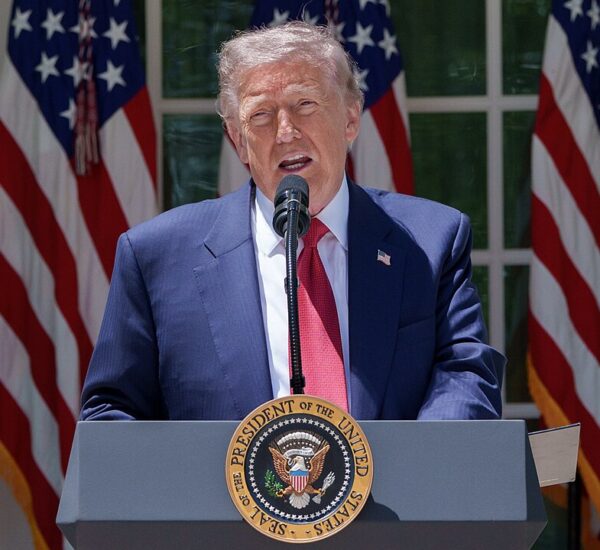
President Donald Trump and some Republicans have recently expressed frustration with Senate procedures that can slow or block legislation backed by the GOP majority.
One area of focus has been the Safeguard American Voter Eligibility (SAVE) Act and other election-related measures supported by Republicans.
Some conservatives have suggested procedural reforms could help move those priorities forward more quickly.
However, Senate Majority Leader John Thune (R-S.D.) has made clear that he intends to preserve the filibuster despite outside pressure.
Thune has repeatedly argued that the Senate’s unique role depends on maintaining rules that protect minority rights and encourage broader consensus.
A Rare Moment of Bipartisan Agreement
In today’s highly polarized political environment, it is uncommon to hear elected officials publicly acknowledge a major mistake.
That is one reason Fetterman’s remarks have attracted attention from both Republicans and Democrats.
While disagreements over policy remain significant, his comments highlight a growing recognition that some longstanding Senate traditions may play an important role in preserving stability and protecting minority viewpoints.
Whether Republicans or Democrats hold power, the debate ultimately centers on a larger question: Should narrow majorities be able to reshape national policy without broader support?
For now, Fetterman appears convinced the answer is no.
And in doing so, he has sided with an argument conservatives have been making for years—that preserving the filibuster may be one of the most important safeguards remaining in the United States Senate.