Trump Pulls Key Endorsement
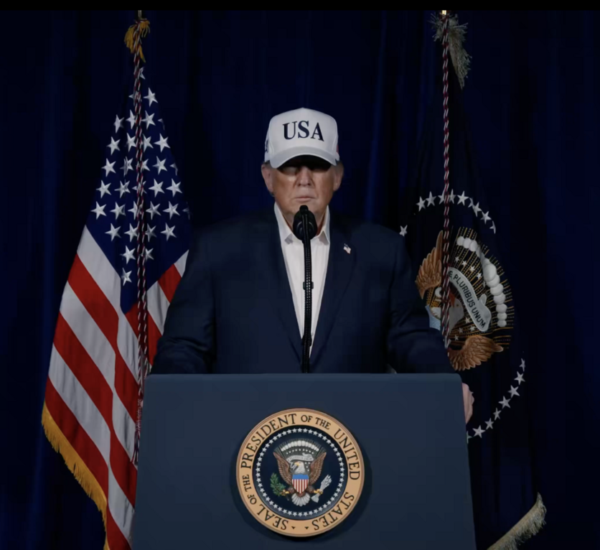
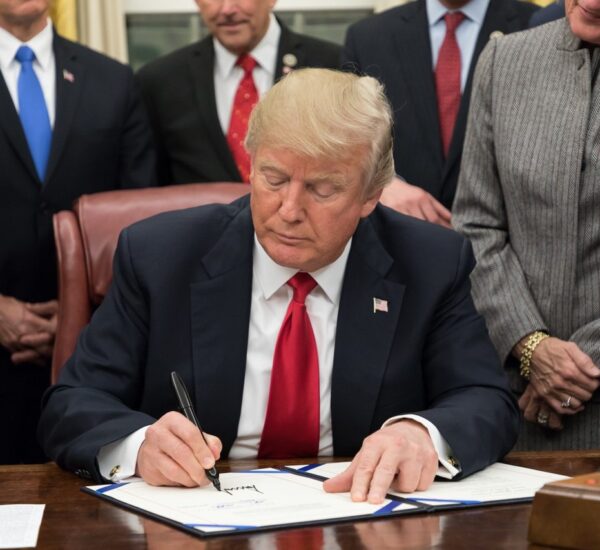
President Donald Trump announced Saturday that he is withdrawing his endorsement of Colorado Congressman Jeff Hurd, citing what he described as a lack of support for his America-First tariff policies.
The move comes as trade policy once again becomes a defining issue within the Republican Party — particularly among voters who prioritize American manufacturing, economic independence, and strong executive leadership.
In a detailed statement posted on Truth Social, President Trump said Congressman Hurd failed to support what he called highly effective tariffs designed to protect American businesses from unfair foreign competition.
Trump simultaneously announced his endorsement of Hope Scheppelman, a former Colorado GOP vice chair who is now challenging Hurd in the upcoming Republican primary for Colorado’s 3rd Congressional District.
Why Trump Pulled His Endorsement
The disagreement stems from a recent House vote involving tariffs on Canada. Congressman Hurd joined five other Republicans and Democrats in supporting a resolution that sought to repeal certain tariffs by terminating the national emergency declaration used to justify them.
Hurd defended his vote by arguing that Congress holds primary constitutional authority over foreign trade. He warned that expanding emergency trade powers — under any president — could create long-term institutional concerns.
In a public statement, Hurd emphasized the importance of maintaining separation of powers and warned against setting precedents that future administrations might expand.
President Trump, however, viewed the vote differently.
In his announcement, Trump argued that strong tariffs are essential to defending American workers and preventing foreign nations from exploiting U.S. markets.
Trade Policy and the America-First Agenda
For many conservative voters — especially those who remember factory closures and decades of outsourcing — tariff policy is about more than trade numbers. It is about economic sovereignty, job protection, and rebuilding domestic industry.
President Trump has long argued that strategic tariffs can:
- Strengthen American manufacturing
- Protect domestic supply chains
- Reduce trade imbalances
- Increase negotiating leverage with foreign governments
Supporters say these policies aim to restore fairness after years of global trade agreements that disadvantaged American workers.
Critics argue that tariffs can increase consumer costs and strain diplomatic relationships.
The divide reflects a broader debate within the Republican Party over how aggressively to use trade tools to protect U.S. interests.
A Rare Political Decision
President Trump noted that withdrawing an endorsement is uncommon for him. The last high-profile instance occurred during the 2022 Alabama Senate primary involving Mo Brooks, when Trump ultimately shifted his support to Katie Britt, who went on to win the nomination.
Calling the decision difficult but necessary, Trump said maintaining alignment with his core economic agenda remains a priority.
For many voters over 50 — who have seen multiple shifts in American trade policy over decades — consistency and economic strength remain top concerns heading into future elections.
Supreme Court Ruling Adds Legal Complexity
The endorsement announcement also follows a significant ruling by the Supreme Court of the United States. In a 6–3 decision, the Court struck down much of the administration’s earlier tariff framework, ruling that expanded use of the 1977 International Emergency Economic Powers Act exceeded executive authority.
In response, President Trump introduced a new universal 15 percent tariff on imports from multiple countries, signaling continued focus on trade reform.
Legal analysts expect ongoing debate over executive authority and congressional oversight in the months ahead.
What Happens Next in Colorado?
The Republican primary for Colorado’s 3rd Congressional District is scheduled for June 30. The race now presents voters with a clear contrast:
- An incumbent who voted to limit the president’s tariff authority
- A challenger endorsed by President Trump who supports a more aggressive America-First trade strategy
Primary elections often serve as early indicators of where party voters stand on key policy issues. Trade, executive authority, and economic nationalism are likely to remain central topics as the campaign unfolds.
Why This Matters for Republican Voters
For many Americans — particularly retirees, small business owners, and long-time conservative voters — economic stability and domestic industry remain top priorities.
The outcome of this primary may offer insight into how strongly grassroots Republican voters continue to support tariff-based trade policy as part of the broader America-First platform.
As the 2026 election cycle continues, trade policy appears poised to remain a defining issue within the party.