Noem Talks Midterms
The national debate over election integrity, voter ID laws, and federal oversight of elections intensified this week after Homeland Security Secretary Kristi Noem signaled that the Department of Homeland Security (DHS) views election systems as part of America’s “critical infrastructure.”
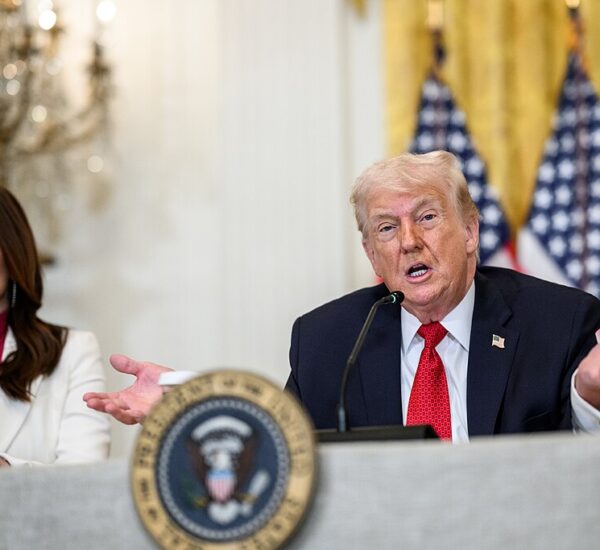
Speaking in Arizona while advocating for a national voter ID requirement, Noem suggested DHS has authority to identify election system vulnerabilities and recommend safeguards to help ensure elections are conducted properly.
Her comments immediately drew strong reactions — especially as Congress debates new voter ID legislation ahead of the midterm elections.
Why DHS Says Election Security Falls Under Its Mission
Noem explained that DHS is responsible for protecting key systems essential to national stability — including cybersecurity networks, energy grids, and transportation systems.
In her view, the election system deserves similar protection.
“For many Americans, election security is one of the most important issues facing the country,” she said. “We must be proactive to make sure elections are reliable and trusted.”
Supporters argue that secure elections are foundational to democracy — and that federal agencies already assist states with cybersecurity and infrastructure protection.
Critics, however, worry that expanded federal involvement could blur the traditional line between state-run elections and federal oversight.
What the SAVE America Act Would Do
The House recently passed the SAVE America Act, legislation aimed at strengthening federal election safeguards. If enacted, the bill would:
- Require photo ID to vote in federal elections
- Require proof of U.S. citizenship to register
- Direct states to remove non-citizens from voter rolls
The bill now moves to the Senate, where similar voter ID proposals have stalled in previous years due to Democratic opposition. Some Republican senators have also expressed concerns, making the path forward uncertain.
Election integrity legislation has become a major focus for Republican lawmakers heading into the midterm election cycle.
President Trump Signals Possible Executive Action
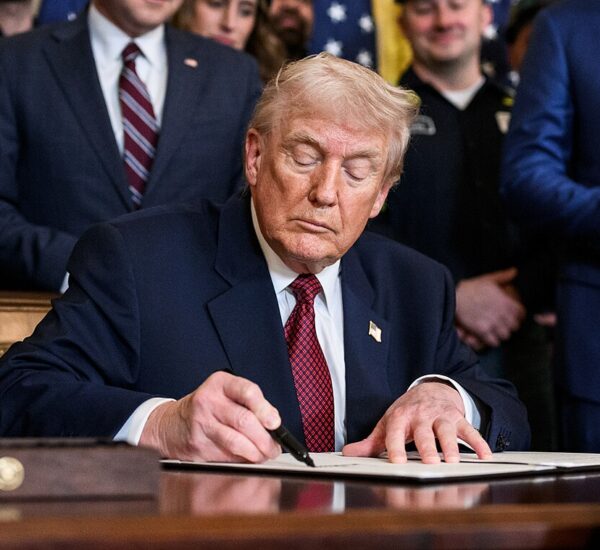
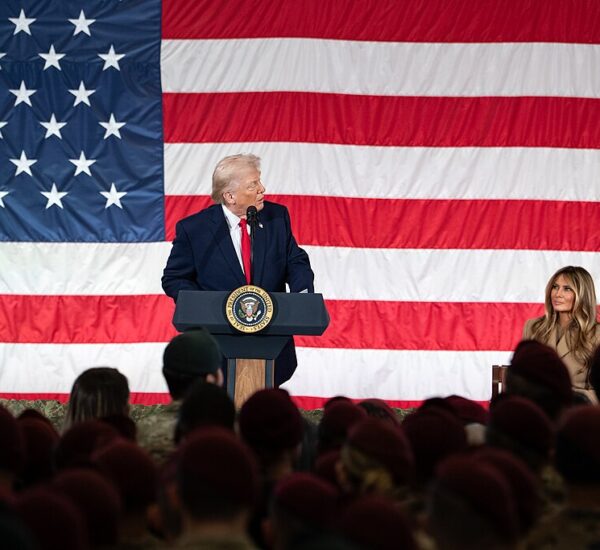
With Senate prospects unclear, President Donald Trump indicated he may consider executive action to implement voter ID requirements if Congress does not pass the legislation.
President Trump posted on Truth Social that voter ID requirements would be in place for the upcoming midterm elections, regardless of whether Congress formally passes the measure.
Any executive action would likely face immediate legal challenges, but the statement underscores how central voter ID and election security remain to the administration’s priorities.
Voting Rights Debate: Supporters vs. Critics
Opponents of stricter voter ID laws argue such measures could create obstacles for some eligible voters, including individuals whose documentation may not perfectly match legal names due to marriage or other changes.
Supporters counter that identification is required for many everyday activities — from boarding a plane to entering federal buildings — and say voter ID requirements are a reasonable safeguard.
Polling over the past several years has shown that voter ID laws often receive broad public support, including among independents.
For many Americans over 50, confidence in elections is not a partisan issue — it’s about stability, transparency, and trust in institutions.
Broader Political Context
Noem has faced criticism in recent weeks over comments related to immigration enforcement operations in Minnesota. Those controversies have added fuel to partisan tensions surrounding her leadership.
Despite outside pressure, President Trump has publicly defended her, signaling confidence in her role at DHS.
Political observers note that election security will likely remain a defining issue through the midterms, particularly as debates over border security, immigration policy, and federal authority continue.
The Bigger Picture: Election Integrity in 2026 and Beyond
As the Senate weighs the SAVE America Act, the broader conversation about federal election oversight, voter ID requirements, and election system security is unlikely to fade.
For older voters who have witnessed decades of changes in how Americans cast ballots — from paper ballots to mail-in voting and electronic systems — the core concern remains consistent:
Can the nation ensure elections are secure, transparent, and widely trusted?
That question may shape political momentum heading into the next election cycle.