Trump ICE Agents Banned Where?
Immigration policy tensions are rising again — this time in Colorado.
Denver Mayor Mike Johnston has signed a new executive order limiting how federal immigration officers operate on city-owned property. The decision has sparked immediate debate over constitutional authority, public safety, and the balance between local governance and federal law.
For many Americans concerned about border security and federal enforcement powers, the move raises significant legal and practical questions.
What the Executive Order Does
The new order prohibits federal immigration agents from using Denver city property to conduct enforcement operations. It also outlines new directives for how local law enforcement must respond when federal officers are active within city limits.
Under the policy:
- Denver police officers must record interactions with federal immigration agents using body cameras.
- Local officers must provide medical aid if an individual is injured during an enforcement action.
- Police are instructed to intervene if they believe force used by immigration officers could result in serious bodily harm.
Mayor Johnston described the order as a protective measure aimed at reassuring residents.
“We seek not to provoke but to protect,” Johnston stated publicly. “This is our city, and we will defend the rights of every person in it.”
Federal Officials Push Back
The Department of Homeland Security responded quickly, arguing that immigration enforcement authority rests firmly with the federal government under the U.S. Constitution.
Federal officials cited Article I, Article II, and the Supremacy Clause — which establishes that federal law overrides conflicting state or local policies. They maintain that enforcing immigration law is a clear federal responsibility and cannot be blocked by municipal orders.
Legal analysts note that while cities can limit how their own employees cooperate, they cannot legally prevent federal officers from carrying out lawful operations.
Sanctuary Policies and Federal Authority
Denver has long been considered a sanctuary-style jurisdiction, meaning local authorities limit cooperation with federal immigration enforcement.
However, even sanctuary cities cannot stop Immigration and Customs Enforcement (ICE) from executing federal warrants or conducting operations independently.
This distinction is central to the broader immigration debate:
Can local governments shield residents from federal enforcement, or does constitutional authority ultimately prevail?
Part of a Broader Immigration Crackdown
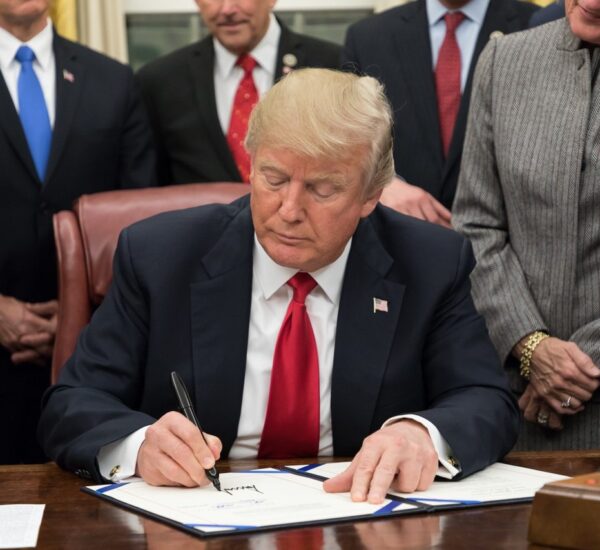
The executive order comes during renewed immigration enforcement efforts under President Donald Trump, whose administration has prioritized deportation of individuals in the country illegally, particularly those with criminal records.
Other Democrat-led states have also enacted policies limiting cooperation with ICE:
- Maryland Governor Wes Moore recently signed legislation restricting certain agreements between local sheriffs and federal immigration officials.
- Lawmakers in multiple states continue debating how much coordination should exist between local law enforcement and federal agencies.
Meanwhile, funding battles involving immigration enforcement have played out in Congress, highlighting ongoing divisions in Washington over border security and DHS authority.
Public Safety vs. Local Control: The Ongoing Debate
Supporters of Denver’s order argue it protects civil liberties and ensures oversight of enforcement actions.
Critics argue that limiting cooperation with federal immigration agents may complicate efforts to remove dangerous offenders and could create confusion between local and federal authorities.
For many older Americans — particularly those concerned about rising crime rates, border control, and constitutional limits — the issue centers on a fundamental question:
Who ultimately holds the power to enforce U.S. immigration law?
As legal challenges and political battles continue, Denver’s executive order may become another test case in the larger national immigration debate.