Trump Issues New Demand To Court
A growing legal battle over a major White House renovation is now raising alarms about something far more serious than construction delays—the safety of the President of the United States.
The Trump administration is warning that a federal judge’s decision to halt work on a planned $400 million ballroom could leave the White House vulnerable to modern threats, including drones and missile attacks.
Urgent Warning From Federal Officials
In a motion filed Friday, attorneys for the National Park Service pushed a federal appeals court to step in immediately, arguing that stopping construction midstream creates what they described as “grave national security risks.”
According to the filing, the disruption could impact the safety of President Donald Trump, his family, and key White House staff.
Officials made it clear: this is not just about construction—it’s about protection.
A Security Upgrade Already Underway
The ballroom project is not just a cosmetic addition. Plans include a heavily fortified structure equipped with advanced security features such as:
- Reinforced defensive infrastructure
- Underground protective bunkers
- On-site medical capabilities
Government lawyers stressed that these upgrades are already in progress—and halting them now could leave critical vulnerabilities exposed.
“Time is of the essence,” attorneys warned in their filing.
Judge Questions Presidential Authority
U.S. District Judge Richard Leon ordered a temporary stop to construction earlier this week, citing concerns that the president may not have the authority to move forward without approval from Congress.
The ruling came after a preservation group challenged the project, arguing it oversteps executive power.
Leon indicated the lawsuit is likely to succeed, stating that existing law does not clearly support the administration’s position.
However, he also acknowledged the complications of stopping a project already underway and delayed enforcement of his order for 14 days to allow for appeal.
Disagreement Over Security Risks
Despite the judge’s ruling, the administration strongly disagrees with the conclusion that there is no immediate threat.
Officials argue that leaving the White House grounds in a partially completed state—relying on temporary structures like large event tents—actually increases risk.
According to the filing, those temporary setups are far more vulnerable to modern attacks, especially compared to a hardened, permanent facility.
Trump Pushes Back
President Trump has criticized the decision but pointed out that certain security-related work—including underground systems—can continue during the pause.
He has also emphasized that taxpayers will not foot the bill for the ballroom itself, stating that he and private donors will cover the cost.
What Comes Next
The administration is now urging the appeals court to act quickly, requesting a decision within days.
Officials are also seeking to extend the current delay to allow time to take the case to the U.S. Supreme Court if necessary.
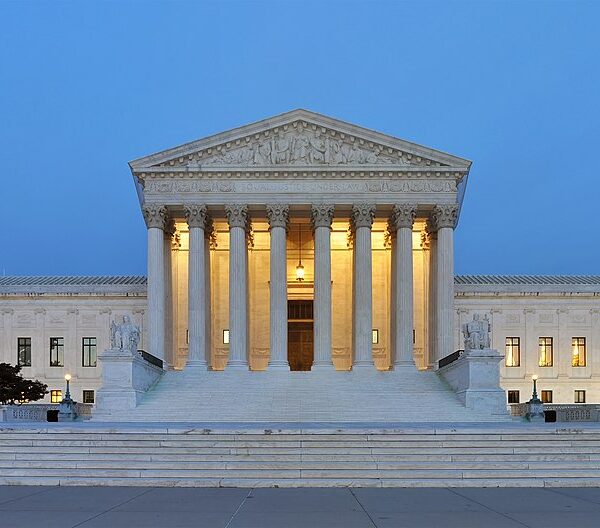
With questions of presidential authority, national security, and federal oversight all colliding, this case could have far-reaching implications—not just for the White House, but for how future administrations handle major federal projects.