USPS Order To Ban Mail Ballots?
New Election Security Proposal Would Require States to Share Voter Data
The U.S. Postal Service is considering a new election-related rule that could change how mail-in and absentee ballots are processed across the country.
Under the proposal, states would be required to provide voter eligibility information and ballot-tracking data before election ballots are mailed. Supporters say the move could strengthen election security, while critics argue it could create new challenges for states and voters.
The proposed rule was published in the Federal Register and is currently open for public comment.
What Would Change Under the USPS Proposal?
If approved, states would need to submit detailed voter information to a new Postal Service tracking system before mail ballots are distributed.
The information would include:
- Lists of voters eligible to receive mail ballots
- Identification data used to verify voter records
- Unique barcode information connected to ballot envelopes
- Ballot tracking details for election mail
USPS officials say the goal is to create a more reliable method of tracking ballots as they move through the mail system.
The Postal Service plans to establish a database called the “Mail-In and Absentee Participation List” to help monitor election mail and verify ballot distribution.
Why the Trump Administration Supports the Change
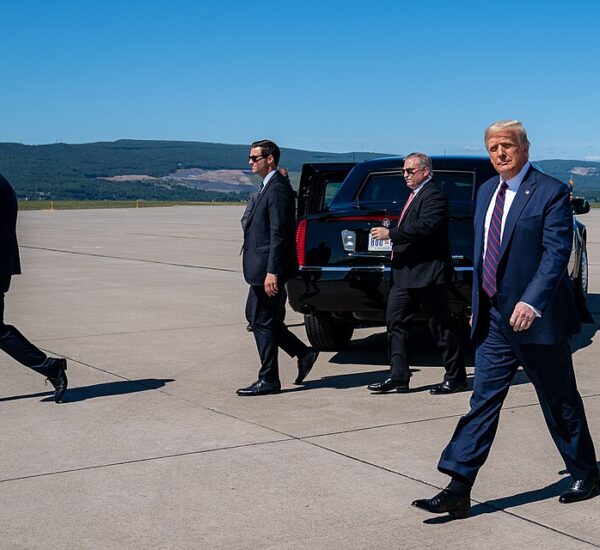
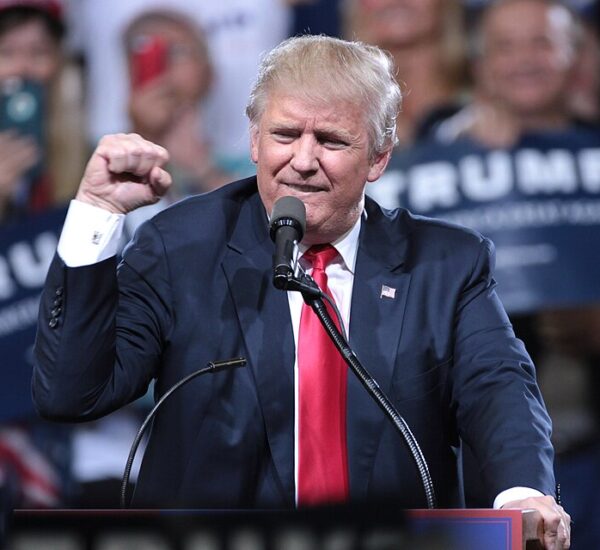
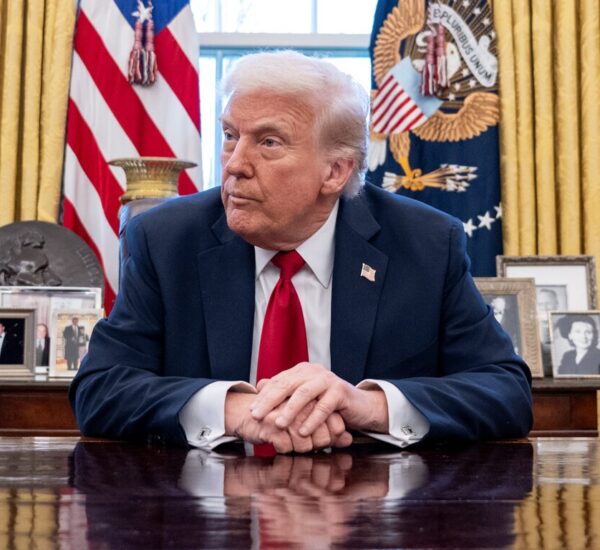
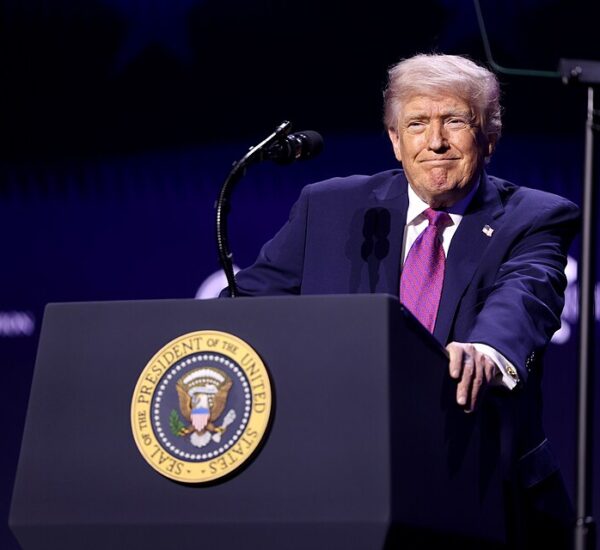
The proposal follows President Donald Trump’s executive order on election administration issued earlier this year.
The order directed federal agencies to review election procedures and implement measures designed to strengthen voter verification and improve confidence in election outcomes.
Supporters of the USPS proposal argue that better ballot tracking could help reduce errors, improve transparency, and create a stronger audit trail for election officials.
Advocates also say the system could make it easier to confirm that ballots are sent only to eligible voters and properly recorded throughout the voting process.
Critics Raise Concerns About Mail Voting Access
Opponents of the proposal argue that the new requirements could increase administrative burdens on state election offices.
Some voting-rights organizations and election officials believe the changes could complicate mail voting procedures and create obstacles for voters who rely on absentee ballots.
The NAACP has filed a legal challenge seeking to block the proposal, claiming it conflicts with previous agreements governing election mail operations.
The organization argues that voters who depend on mail-in voting could be negatively affected if states encounter difficulties complying with the new requirements.
What Happens Next?
The proposal is still in the public review stage and has not been finalized.
Federal officials will collect public comments and evaluate feedback before deciding whether to move forward with the rule.
If adopted, the changes could significantly reshape how election mail is tracked and verified in future federal elections.
Why This Matters
Mail-in voting remains one of the most debated issues in American politics. Supporters of stronger verification measures believe additional safeguards are necessary to protect election integrity and boost public confidence.
Critics maintain that any new requirements must be carefully implemented to avoid creating barriers for lawful voters.
As the debate continues, the USPS proposal is expected to draw close scrutiny from election officials, lawmakers, voting-rights groups, and voters across the country.