Senate Democrats Start Playing Hardball
Senate Democrats Take Harder Line Against Trump Administration
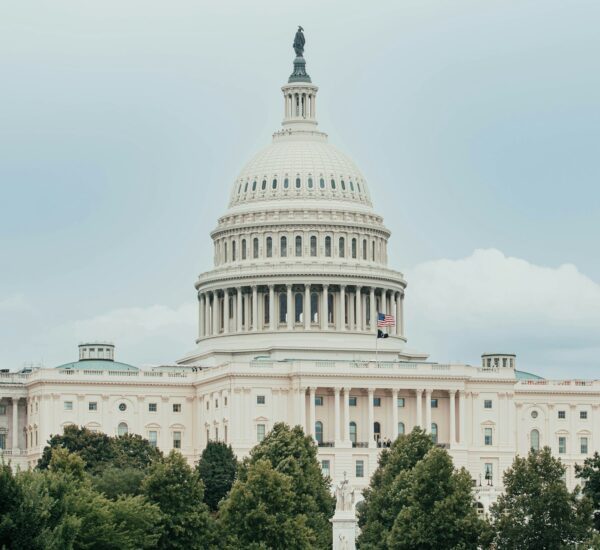
Senate Democrats are escalating their battle against President Donald Trump by blocking the renewal of a major surveillance program that national security officials have long used to track foreign threats and help prevent terrorist attacks.
The dispute marks another sign that Democrats are embracing a more aggressive strategy against the Trump administration, even when it means delaying or blocking legislation that has traditionally received bipartisan support.
Republicans warn the move could create serious national security concerns at a time when the United States is preparing for major international events and celebrations tied to America’s 250th anniversary.
FISA Authority Expires Amid Political Standoff
At the center of the fight is the Foreign Intelligence Surveillance Act, commonly known as FISA.
The law gives intelligence agencies important tools to monitor foreign threats and gather information that officials say helps protect Americans from terrorism and other national security risks.
Democrats refused to support extending the authority, arguing that President Trump’s appointment of political ally Bill Pulte to oversee intelligence operations raised concerns about how those powers could be used.
Virginia Sen. Mark Warner, the top Democrat on the Senate Intelligence Committee, acknowledged that allowing the authority to lapse creates risks but said the administration bears responsibility for the situation.
Democratic leaders insist they are left with few options while serving in the minority and believe stronger resistance is necessary to push back against White House decisions.
Democrats Shift From Compromise to Confrontation
The current strategy represents a major change from just a year ago.
In 2025, Senate Minority Leader Chuck Schumer faced criticism from many Democrats after voting with Republicans to prevent a government shutdown.
Since then, Democrats have increasingly embraced confrontation. They have delayed confirmation votes, fought funding battles, and now blocked the renewal of a key intelligence authority.
Many progressive activists who once accused party leaders of being too willing to compromise are now praising the tougher approach.
Political strategists say Democratic lawmakers believe voters want them to fight harder against Trump’s agenda rather than seek bipartisan agreements.
Republicans Warn of National Security Consequences
Republicans argue that political disagreements should not interfere with intelligence programs designed to protect the country.
Senate Majority Leader John Thune criticized Democrats for what he described as playing politics with national security.
GOP lawmakers point to ongoing concerns about terrorism, border security, and foreign threats as reasons why intelligence agencies should retain every available tool.
Many Republicans also note that millions of visitors are expected to travel to the United States for upcoming international events, increasing the importance of maintaining strong security capabilities.
Conservatives argue that weakening surveillance tools during a period of heightened security concerns sends the wrong message and could create unnecessary vulnerabilities.
Trump Stands Behind Controversial Appointment
The conflict largely stems from Trump’s decision to appoint Bill Pulte as interim leader of the nation’s intelligence operations.
Both Democrats and some Republicans have questioned whether Pulte possesses the national security experience normally expected for the position.
Lawmakers from both parties urged Trump to reconsider the appointment, but the president has remained firm in his decision.
Trump later nominated Jay Clayton, a former Securities and Exchange Commission chairman and current U.S. attorney, to permanently fill the role.
Republicans are now working to move Clayton’s nomination through the Senate as quickly as possible.
Can Democrats Gain Leverage Before the Midterms?
Democrats hope their tougher strategy will attract support from Republicans who are increasingly willing to challenge some White House decisions.
Several Republican senators have publicly expressed concerns about the intelligence leadership dispute, creating a rare point of agreement between members of both parties.
Still, Democrats face a difficult challenge.
While the strategy has energized many activists and unified much of the party, it has yet to produce major policy victories.
Some Democratic voters remain frustrated that party leaders did not adopt a stronger stance sooner.
The Political Battle Continues
The fight over FISA highlights the growing tensions in Washington as both parties prepare for critical midterm elections.
Republicans argue Democrats are putting politics ahead of national security.
Democrats counter that they are standing up against what they view as dangerous executive overreach.
With neither side showing signs of backing down, the standoff could become another major political flashpoint in the months ahead.
As the 2026 election cycle heats up, battles over intelligence, border security, and presidential power are likely to remain front and center for voters across the country.