Trump Makes Tariff Adjustment
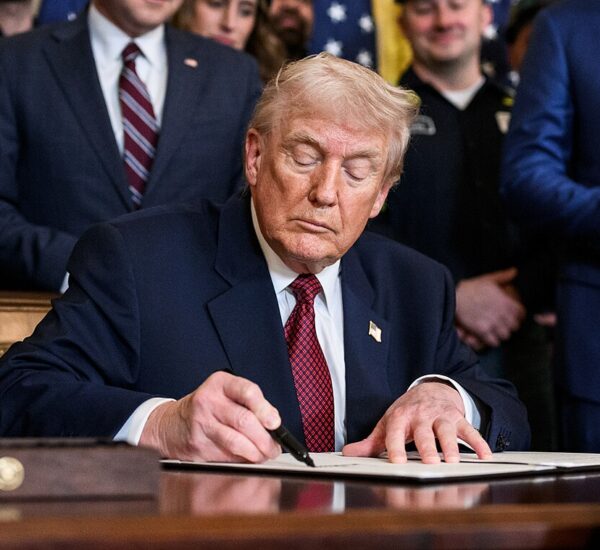
President Donald Trump is taking aggressive new steps to protect American industry and lower costs for everyday citizens, signing executive orders that overhaul tariffs on key metals while putting major pressure on foreign drug companies.
For millions of Americans—especially retirees and those on fixed incomes—these changes could have a direct impact on jobs, inflation, and prescription costs.
New Tariffs Target Foreign Metal Pricing Tricks
The administration says foreign countries have long manipulated pricing to undercut American manufacturers.
Now, under Trump’s new policy, tariffs will be based on the actual price the U.S. pays, not the artificially low production costs claimed by overseas producers.
A senior official explained that this change closes a major loophole that has allowed foreign competitors to gain an unfair advantage for years.
Simplified Tariff System—And Much Tougher
The new structure is designed to be both easier to understand and stronger on enforcement:
- 50% tariff on products primarily made of steel, aluminum, or copper
- 25% tariff on goods with significant metal content, including appliances
- 10% tariff on foreign-made goods using 100% American metals
- No tariffs on products containing 15% or less of these materials
Officials say this approach rewards companies that invest in American supply chains—while penalizing those that rely heavily on foreign imports.
Will Prices Go Up? Here’s What Officials Say
With inflation still a top concern for older Americans, many are asking the same question: Will this raise prices at the store?
According to the administration, the answer is no.
“These changes will not increase prices for consumers,” a senior official stated, arguing that stronger domestic production will help stabilize costs over time.
For Americans living on retirement savings, that reassurance could be critical.
Big Pharma Hit With 100% Tariff Threat
In a separate move that could have major implications for healthcare costs, Trump also announced a 100% tariff on pharmaceutical companies that refuse to comply with the administration’s “Most Favored Nation” pricing plan.
The goal is simple: force drug companies to offer Americans the same lower prices seen in other countries.
With prescription costs continuing to rise, this policy could become one of the most closely watched economic moves of the year.
Standing Firm Despite Legal Challenges
Even after a recent Supreme Court ruling questioned earlier tariff authority, the Trump administration is not backing down.
Instead, officials are shifting toward sector-specific tariffs, a strategy they believe is legally sound and more targeted.
America-First Strategy Moves Forward
Nearly a year after the original “Liberation Day” tariffs, this latest action shows the administration is doubling down on protecting American workers and industries.
For many Americans—particularly those concerned about retirement security, rising costs, and economic stability—the message is clear:
The focus remains on strengthening the U.S. economy from within.
Why This Matters for You
- Could help protect American jobs and manufacturing
- Aims to prevent unfair foreign pricing practices
- Targets lower prescription drug costs
- Seeks to limit inflation pressure long-term
Bottom Line
President Trump’s latest tariff overhaul isn’t just about trade—it’s about economic security, affordability, and putting American workers first.
And for millions of Americans watching their budgets closely, the real impact will be measured where it matters most: at the checkout counter and the pharmacy.