Democrats Cry Over Trump’s New Win
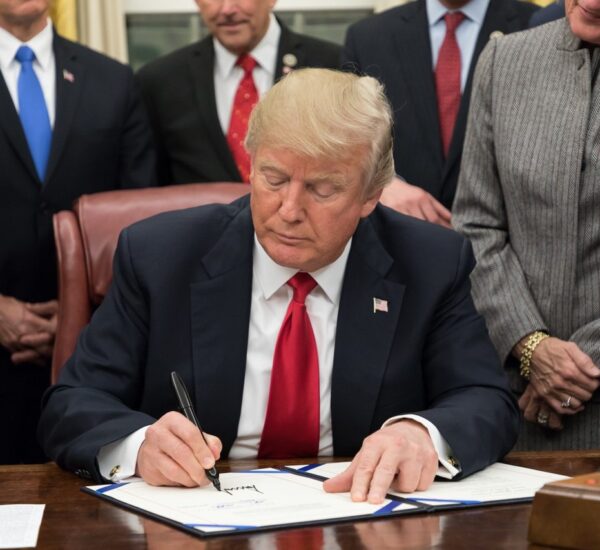
A new proposal to place President Donald Trump’s signature on U.S. currency is drawing sharp criticism from Senate Democrats—even as supporters say it reflects a powerful moment in American history ahead of the nation’s 250th anniversary.
Sens. Elizabeth Warren (D-Mass.) and Jeff Merkley (D-Ore.) are now demanding answers from the Treasury Department, questioning both the cost and purpose of the plan.
In a letter sent Thursday to Treasury Secretary Scott Bessent, the two lawmakers pressed for details on how adding Trump’s name to paper money would benefit the American people.
Treasury Defends Move as Symbol of American Strength
The controversy comes after Bessent announced on March 26 that President Trump’s signature could appear on newly printed U.S. currency as part of the America 250 celebration.
According to the Treasury Department, the initiative is meant to highlight what officials describe as a period of economic resurgence, strong dollar dominance, and renewed fiscal stability under President Trump’s leadership.
Supporters argue the move is a patriotic tribute during a historic milestone, celebrating both the country’s founding and a return to pro-growth economic policies.
Democrats Claim Americans Face Economic Pressure
Warren and Merkley, however, painted a very different picture.
They argued that many Americans—especially seniors and retirees—are still dealing with rising costs tied to inflation, housing, and energy prices. The lawmakers also pointed to global instability, including tensions involving Iran, as a factor contributing to economic uncertainty.
The senators are requesting detailed answers by April 15, including:
- How the decision was made
- The total cost to taxpayers
- Whether the plan would lower everyday expenses like groceries, housing, or fuel
They questioned whether the proposal is a meaningful economic solution—or simply symbolic.
A Historic First—or a Political Statement?
If implemented, the plan would break with long-standing tradition.
Federal law has historically prohibited living individuals from appearing on U.S. currency. However, the Treasury Department argues that the Circulating Collectible Coin Redesign Act of 2020, signed by President Trump, provides legal flexibility for special commemorative designs tied to the nation’s 250th anniversary.
In addition to the paper currency proposal, officials are moving forward with a commemorative $1 gold coin featuring President Trump’s image, which recently received approval from the Commission of Fine Arts.
Why This Matters to Americans
For many Americans—particularly those on fixed incomes—the debate raises a bigger question: should government resources focus on symbolic gestures or real economic relief?
Supporters say honoring President Trump during America’s semiquincentennial reflects a renewed era of national pride and economic strength.
Critics argue the administration should prioritize lowering costs and stabilizing the economy instead.