Trump’s MAGA Divided Over Venezuela
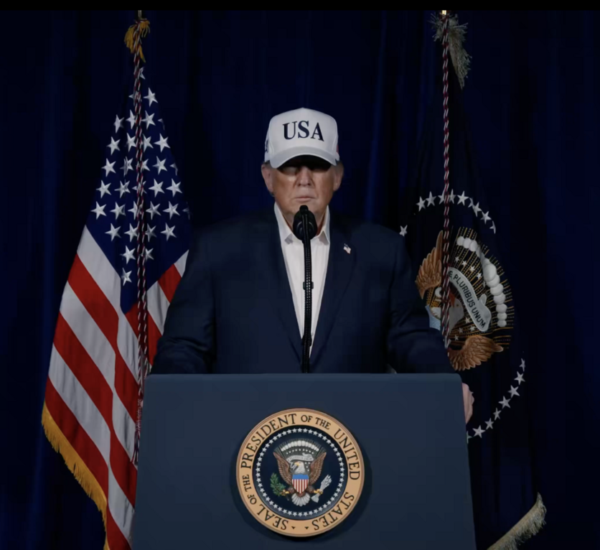
President Trump’s recent remarks regarding Venezuela are stirring debate among conservatives, with some supporters questioning whether the comments signal a departure from his long-standing promise to end America’s involvement in costly foreign conflicts.
Trump built his political movement by rejecting the interventionist policies of previous administrations, particularly the prolonged wars launched in the Middle East. His “America First” approach appealed strongly to voters who believed Washington should prioritize national security, economic stability, and rebuilding at home rather than engaging in endless overseas commitments.
That message is now being tested after Trump suggested the United States could play a role in stabilizing Venezuela during a political transition, including safeguarding the country’s oil infrastructure and ensuring order following the collapse of its former leadership.
Some conservatives say the language raised concerns about whether the U.S. could become drawn into another long-term foreign operation—something many Trump voters believed they had decisively rejected.
Steve Bannon, a former White House strategist and longtime Trump ally, voiced those concerns publicly, noting that while many in the MAGA movement supported decisive action against Venezuela’s leadership, they did not support nation-building or open-ended military involvement.
Bannon also questioned why American leaders would focus on rebuilding a foreign country when many U.S. cities continue to struggle with crime, homelessness, infrastructure decay, and rising costs of living.
Mixed messaging from administration officials added to the uncertainty. Secretary of State Marco Rubio stated in weekend interviews that no American troops are currently operating inside Venezuela, emphasizing that there is no ongoing military occupation.
However, Trump continued to discuss the importance of protecting Venezuela’s energy industry, telling reporters that the United States would help ensure oil operations are run responsibly so the Venezuelan people are not further harmed.
In another interview, Trump dismissed concerns about political change in the country, arguing that almost any outcome would be an improvement over the current situation.
Those comments unsettled some conservatives, particularly voters who came of age during the wars in Iraq and Afghanistan and remain skeptical of assurances that foreign involvement will be short-lived or limited in scope.
Critics warned that history shows how quickly “temporary” missions can evolve into years-long commitments funded by American taxpayers. With inflation, healthcare costs, housing shortages, and government spending already straining family budgets, many voters question whether Washington can afford another foreign responsibility.
Others on the right have emphasized that Americans are increasingly frustrated by what they view as bipartisan support for foreign interventions while domestic problems remain unresolved.
Still, Trump allies pushed back against claims that the administration is shifting toward interventionism. Some argued that the Venezuela operation was brief, targeted, and focused on protecting U.S. interests in the Western Hemisphere—not launching a new war.
Sen. Eric Schmitt of Missouri defended the administration’s actions, saying the mission lasted only hours and demonstrated the effective use of American power without committing the country to a prolonged conflict.
Supporters also argue that strength and decisive leadership resonate with Trump voters, especially when actions succeed without major consequences. According to one source familiar with internal discussions, critics represent a vocal minority rather than the broader MAGA base.
“At the end of the day, voters want results,” the source said. “When America acts decisively and wins, it reinforces strength and deterrence.”
As the situation in Venezuela continues to develop, the debate highlights a familiar divide within conservative politics—how to balance American leadership abroad with the promise to avoid endless wars and keep the focus on challenges at home.
How President Trump navigates that balance could play a key role in shaping voter confidence heading into the next election cycle.