Trump Reveals Real Economic Problem
President Donald Trump acknowledged Tuesday that his administration has not effectively communicated what he described as major economic improvements, suggesting that messaging failures—not policy outcomes—may be limiting public awareness of progress.
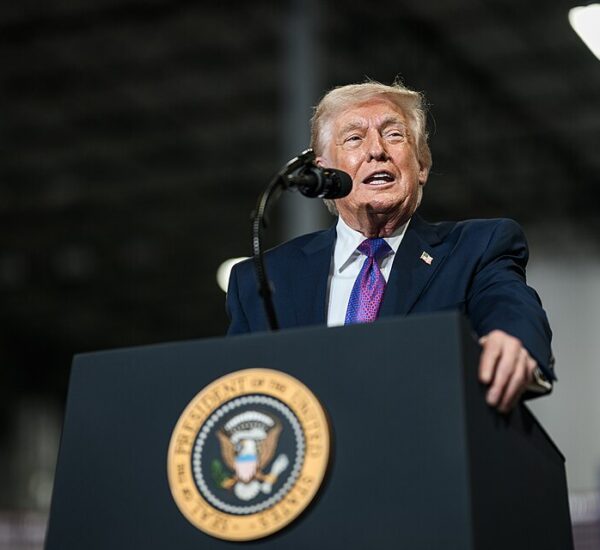
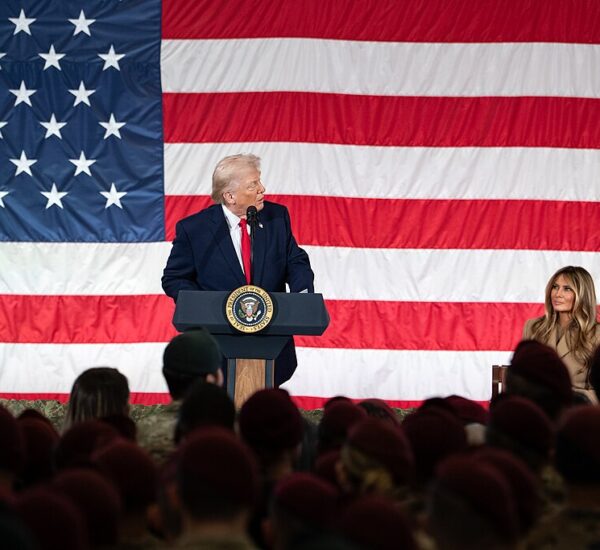
Speaking from the White House briefing room during remarks marking one year since returning to office, Trump said his administration inherited unfavorable economic conditions and moved quickly to reverse them.
“The numbers we took over were extremely high,” Trump said. “Now, almost all of them are way down.”
The president emphasized that while his administration believes key indicators have improved, those results have not been consistently conveyed to the public. He indicated that weaknesses in communication may have allowed critics to shape the broader economic narrative.
“Maybe the message hasn’t been delivered properly,” Trump added, suggesting that the improvements are not being clearly explained to everyday Americans.
Public polling continues to show mixed confidence in the economy, with inflation remaining near 2.7 percent. While inflation has moderated compared to prior years, many households continue to feel pressure from elevated prices on essential goods.
Trump, however, pointed to declines in fuel prices and staple grocery items such as eggs as evidence that his economic policies are working. He has repeatedly argued that cost relief is beginning to reach consumers, even if it is not yet fully reflected in public opinion surveys.
The president has also pushed back against claims that affordability remains out of reach, dismissing recent Democratic messaging victories as political framing rather than reflections of current policy outcomes.
As in previous remarks, Trump placed responsibility for lingering economic challenges on decisions made under the prior administration, arguing that Americans are still experiencing the effects of policies enacted before his return to office.
White House officials have indicated that improving communication around economic data, consumer costs, and policy results will be a central focus in the months ahead, as inflation, energy prices, and household budgets remain top concerns for voters nationwide.