Trump Shuts Down New Iran Rumors
President Says Reports Mischaracterize Military Advice as Iran Negotiations Hang in the Balance
President Donald Trump forcefully dismissed media reports this week claiming that the Chairman of the Joint Chiefs of Staff privately warned against possible U.S. military action in Iran.
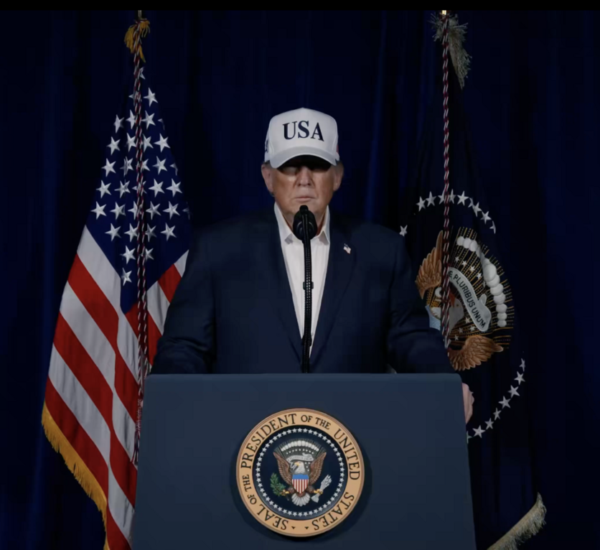
In a statement posted Monday, Trump called the reports “100 percent incorrect,” pushing back on what he described as another example of misleading coverage from major news outlets.
The reports suggested that America’s top military officer had cautioned about the risks of a large-scale operation in Iran, including potential long-term conflict in the Middle East.
According to the president, that narrative is simply false.
Trump: Military Leadership Ready If Action Is Necessary
Trump made it clear that while no one seeks war, U.S. military leadership is fully prepared if diplomacy fails.
The president emphasized that senior military officials provide strategic options and assessments — but the final decision rests with the Commander-in-Chief.
He stated that if military action were ordered, American forces would achieve a decisive outcome.
This reassurance comes at a critical moment, as tensions with Iran remain elevated amid stalled negotiations over Tehran’s nuclear ambitions.
What the Media Reports Claimed
Several outlets cited unnamed defense sources claiming that Pentagon leaders had expressed concerns about:
- Risk of prolonged Middle East conflict
- Increased U.S. casualties
- Strained military resources
- Limited munitions stockpiles
However, none of the reports stated that the Joint Chiefs chairman opposed action outright. Instead, they characterized the discussions as part of routine military planning.
Defense experts note that reviewing risks and contingencies is standard procedure before any major operation.
Iran Nuclear Talks: Diplomacy Still the First Option
President Trump reiterated that he prefers a diplomatic solution — but warned that failure to reach an agreement would have serious consequences for Iran.
The United States continues negotiations aimed at preventing Iran from advancing its nuclear program. Iranian leadership has resisted certain conditions, complicating progress.
Trump stated clearly that while he prefers a deal, America will not allow threats to national security to go unanswered.
“I would rather have a Deal,” the president wrote, “but if we don’t make a Deal, it will be a very bad day for that Country.”
Regional Security Concerns Rising
Amid the uncertainty, the State Department ordered non-emergency personnel and families to evacuate from the U.S. Embassy in Lebanon — a precautionary measure signaling heightened regional tensions.
Security analysts say such moves are standard when instability increases, especially as negotiations and military planning unfold simultaneously.
The Bigger Picture: Strength, Strategy, and Leadership
At its core, this debate reflects a familiar pattern: media reports based on anonymous sources followed by presidential pushback.
For many Americans — particularly those who remember decades of Middle East conflicts — the key question is not whether military leaders assess risk. Of course they do.
The real question is whether the United States projects strength while pursuing peace.
President Trump’s message this week was clear:
America prefers diplomacy.
America prepares for strength.
And America will decide its own course.