Newsom’s Unhinged Trump Attack
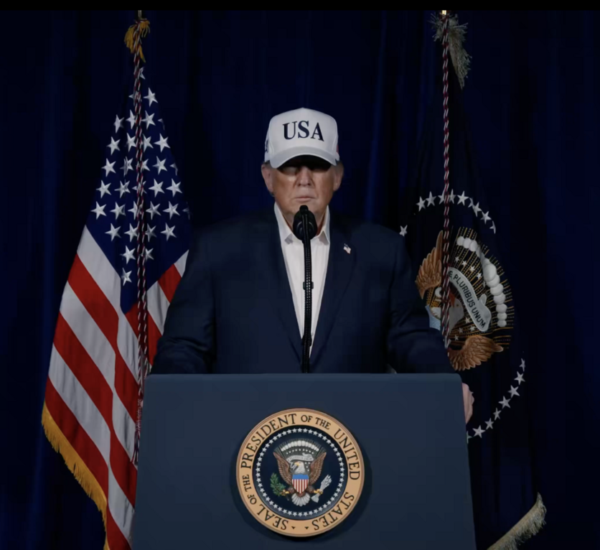
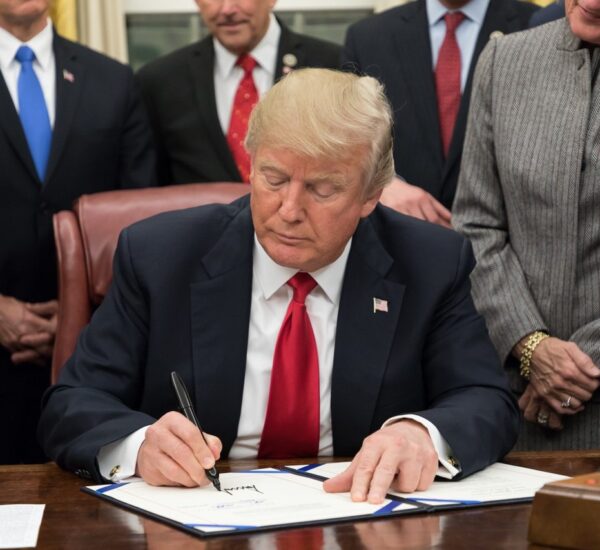
California Governor Gavin Newsom used his final State of the State address on Thursday to sharply criticize Republican President Donald Trump, framing California as a counterweight to what he described as instability coming from Washington.
Speaking before lawmakers in Sacramento, Newsom defended his nearly eight years leading the nation’s most populous state. The Democrat, widely seen as a potential 2028 presidential contender, argued that California must continue pushing forward on major policy challenges despite strained relations with the federal government.
Sharp Criticism of Washington
Newsom said the federal government has become “unrecognizable,” accusing the Trump administration of prioritizing powerful interests while governing through confrontation. He cited National Guard deployments in Democratic-led cities, disputes involving food assistance programs, and reductions in medical research funding as examples of what he characterized as disorder in Washington.
According to Newsom, California should act as a national example by defending its policies through the courts. He noted that the state has filed more than 50 lawsuits against the Trump administration over a range of issues.
His hour-long address drew frequent applause from Democratic lawmakers. Republican legislators largely remained quiet during the speech itself.
Republicans Push Back
Following the address, Republican leaders argued that Newsom failed to address the everyday financial pressures facing families, particularly rising electricity, gasoline, and housing costs.
State Sen. Rosilicie Ochoa Bogh said that after years of one-party control, many Californians are struggling to keep up with basic expenses.
The White House also issued a critical response, accusing Newsom of using the speech to advance national political ambitions rather than outlining solutions to California’s ongoing challenges.
Budget Pressures and Familiar Themes
Newsom is scheduled to release his proposed state budget Friday after several years marked by deficits and fiscal strain. As in previous addresses, he highlighted California’s economic output and technological leadership while dismissing criticism over the state’s high cost of living and homelessness crisis.
This year, Newsom rejected what he called exaggerated criticism of California’s policies, using the phrase “California Derangement Syndrome,” echoing language often used by President Trump.
Tensions between the governor and the president have grown over issues including National Guard deployments in Los Angeles and the administration’s opposition to California’s plan to ban new gas-powered vehicles starting in 2035.
Wildfires and Federal Aid
The speech came one day after California marked the one-year anniversary of devastating wildfires in the Los Angeles region that killed 31 people and destroyed entire neighborhoods.
Newsom said the state has requested nearly $34 billion in federal disaster aid to support recovery efforts. He criticized the federal government for not responding to the request, arguing that affected residents deserve faster assistance.
Claims of Progress on Crime and Homelessness
During the address, Newsom cited a reported 9% drop in unsheltered homelessness last year, based on figures provided by local governments. His administration did not release an updated statewide total.
He also pointed to falling homicide rates in major cities, increased funding for law enforcement, and expanded California Highway Patrol operations aimed at combating organized retail theft and property crime.
Newsom additionally called for action against large investment firms purchasing single-family homes, arguing the practice is making homeownership less attainable for middle-class families.
First In-Person Address Since 2022
Thursday marked Newsom’s first in-person State of the State address since 2022. He referenced his dyslexia, explaining why he often avoids reading lengthy prepared remarks live.
In recent years, the governor has fulfilled the constitutional requirement through written statements, prerecorded messages, and statewide policy tours focused on homelessness and mental health.
As Newsom approaches the final years of his governorship, the speech highlighted a growing divide between Sacramento and Washington—one that could foreshadow a larger national political debate in the years ahead.