Democrat Election Turns Ugly
The Democratic race for U.S. Senate in Texas is becoming increasingly chaotic, with growing infighting now threatening the party’s hopes of competing seriously in November.
What was expected to be a focused primary challenge to Republican Sen. John Cornyn has instead turned into a series of public disputes, personal accusations, and social-media controversies—raising concerns even among Democratic strategists.
Accusations Spark New Round of Democratic Turmoil
The latest controversy erupted after former Democratic congressional candidate Colin Allred accused state Rep. James Talarico of making a racially charged remark during a private conversation. Talarico denied the accusation, saying his comments were misrepresented and were directed at campaign strategy rather than any individual.
Despite the denial, the accusation quickly spread online and reignited tensions inside the Democratic field.
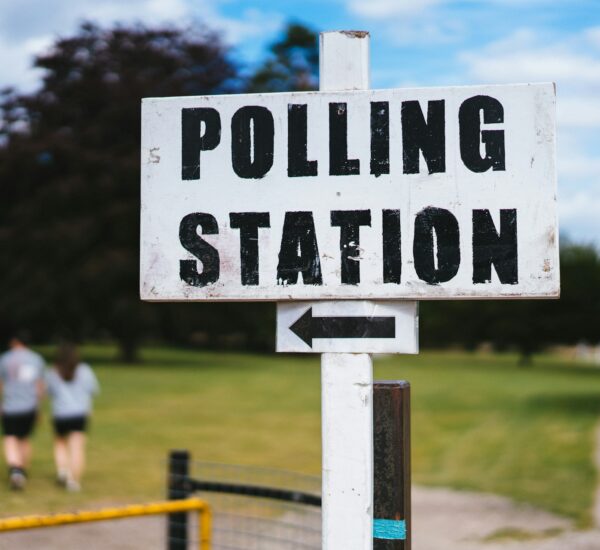
Rep. Jasmine Crockett, another leading contender in the race, soon released a statement siding with Allred—without mentioning Talarico directly—adding fuel to an already tense primary contest ahead of the March 3 election.
Democrats Warn Party Is Losing Focus
Several Democratic operatives have expressed frustration with the escalating disputes, warning that the party is becoming distracted at a critical moment.
“We’re taking our eye off the ball,” one Texas Democratic consultant said, noting that internal conflict has long been a weakness for the party during competitive election cycles.
Instead of focusing on policy contrasts with Republicans, much of the Democratic conversation has shifted toward internal disagreements over tone, messaging, and electability.
Candidate Styles Clash As Polls Tighten
While the Democratic contenders hold largely similar policy views, their personal styles differ sharply.
Talarico has positioned himself as a more measured and disciplined candidate, while Crockett has gained national attention through viral moments and confrontational rhetoric—some of which has resurfaced during the primary.
Those moments have raised concerns among Democrats who worry they could become liabilities in a statewide general election campaign.
Negative Campaigning Raises General Election Concerns
Reports indicate Crockett’s campaign may soon launch attack ads against Talarico, signaling that the primary could turn sharply negative in its final weeks.
Veteran strategists warn that while negative tactics can energize a base, they often weaken nominees ahead of general elections.
“What happens in the primary doesn’t always stay in the primary,” one political consultant cautioned. “There’s real risk in damaging your own brand before facing the Republican nominee.”
Social Media Controversy Fuels Division
The situation escalated further after a social-media influencer alleged—without recordings—that Talarico made controversial remarks about both Allred and Crockett during a private exchange.
Allred responded publicly, criticizing the alleged comments and announcing his support for Crockett. Talarico again rejected the characterization and urged the race to remain focused on issues rather than personal attacks.
Even longtime Democratic operatives acknowledged the episode reflects poorly on party unity.
“Letting online personalities shape the narrative is a mistake,” said a former Texas Democratic Party official.
Polling Shows Tight Race, Tough Road Ahead
Recent polling shows the Democratic primary tightening, with both candidates now effectively tied and a sizable number of voters still undecided.
General election polling paints an even more challenging picture for Democrats. In hypothetical matchups, Democratic contenders either trail or narrowly tie potential Republican opponents—raising doubts about whether the party’s internal conflicts are undermining its broader appeal.
Momentum At Risk After Recent Democratic Win
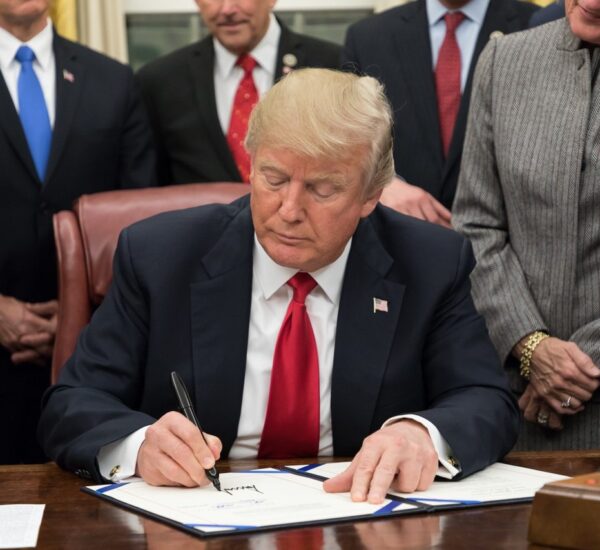
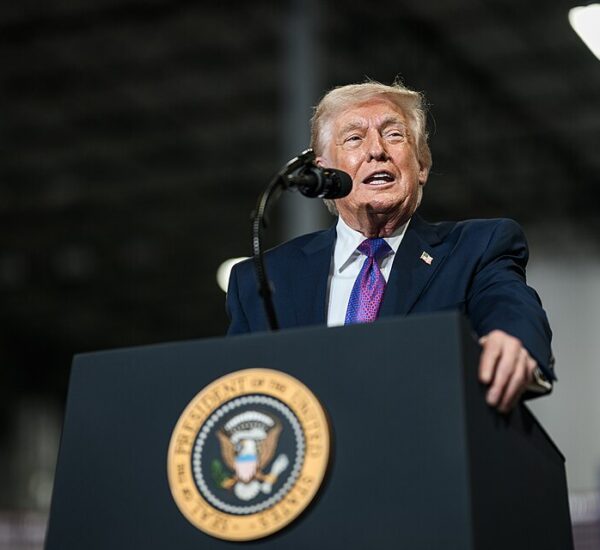
The infighting comes at an awkward moment for Democrats, who recently flipped a state Senate seat previously won by President Trump. That victory briefly boosted optimism within the party—but the ongoing disputes have shifted attention away from that success.
As the primary enters its final stretch, party leaders are increasingly concerned that internal divisions could weaken their eventual nominee before the general election even begins.
“There’s value in competition,” one Democratic strategist admitted. “But there’s also a point where it starts doing real damage.”