Trump Called Crazy By Who?
Veteran Democratic political strategist James Carville delivered an unusually heated critique of President Donald Trump this week, using explicit language while questioning the president’s leadership amid renewed discussion over U.S. strategic interests in Greenland.
During an episode of his podcast Politics War Room, Carville reacted sharply to President Trump’s recent announcement outlining a diplomatic “framework” related to Greenland. The comments followed weeks of heightened media speculation surrounding Trump’s remarks about the island’s geopolitical value and America’s role in the Arctic region.
Carville repeatedly used profane language to describe the president, arguing that Trump’s style of governance has left Democrats politically sidelined. He claimed Republican lawmakers remain the most effective force in Washington and warned—without offering specifics—that the country faces serious risks if Trump continues to dominate the political landscape.
His comments appeared to reflect growing frustration within Democratic circles as President Trump begins his second term with strong polling among older voters and continued influence over national policy debates.
Podcast co-host Al Hunt downplayed speculation that Trump’s Cabinet would ever consider invoking the 25th Amendment. Carville, however, insisted that Democrats should not rule out extraordinary political scenarios, even as critics argue such rhetoric signals political desperation rather than strategy.
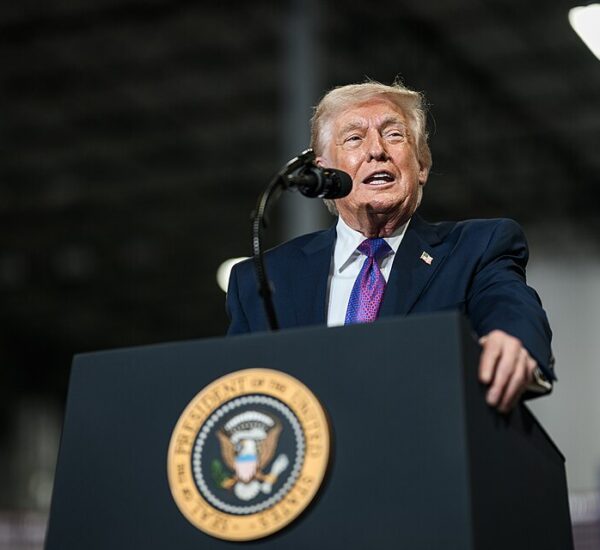
The discussion also touched on President Trump’s recent remarks at the World Economic Forum in Davos, where he reiterated America’s global leadership role and referenced Greenland in the context of diplomacy and international security. Some media figures attempted to mock those comments, though others noted factual inconsistencies in how the remarks were portrayed.
Carville echoed earlier statements from Democratic lawmakers questioning Trump’s temperament and speculated—again without evidence—about hypothetical efforts involving Vice President JD Vance. He concluded with dire predictions about the nation’s future, comments that many conservatives viewed as exaggerated and inflammatory.
President Trump has consistently rejected claims about his health or mental fitness. Earlier this month, he stated on Truth Social that he successfully completed another cognitive assessment and described his health as “excellent,” adding that voters deserve transparency from their leaders.
Despite that, critics resurfaced following a recent White House press conference marking one year since Trump’s return to office. Cardiologist Jonathan Reiner publicly suggested Congress review a diplomatic letter Trump sent to Norwegian Prime Minister Jonas Gahr Støre, though no formal action followed.
Former White House press secretary Stephanie Grisham also offered criticism, claiming the president appeared unfocused during a lengthy briefing. Trump allies dismissed those remarks as part of a broader media pattern of exaggeration.
As President Trump continues advancing his second-term agenda, supporters argue that increasingly aggressive language from Democratic figures underscores internal party frustration rather than legitimate concern—especially as Trump maintains strong backing among voters who credit him with economic resilience, foreign policy strength, and openness about his health.