Trump Asks Military For Help
President Donald Trump is reshaping American foreign policy in a way that has caught the attention of Washington insiders and global leaders alike.
Rather than relying exclusively on career diplomats, Trump is increasingly turning to trusted military leaders to handle some of the most complex international negotiations of his second term — from ending the Russia-Ukraine war to confronting Iran’s nuclear ambitions and strengthening U.S. influence in Latin America.
Supporters call it strategic. Critics call it unconventional.
But one thing is clear: it reflects Trump’s signature governing philosophy — loyalty, strength, and results.
A National Security Strategy Built on Trust and Strength
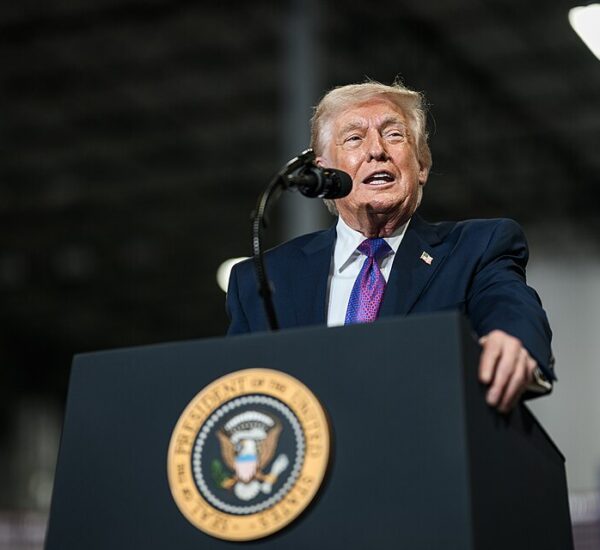
Donald Trump
Throughout his presidency, Trump has emphasized “peace through strength.” That philosophy now appears central to how he conducts diplomacy.
Instead of relying solely on traditional State Department channels, the President has tasked senior military leaders with helping guide sensitive negotiations tied directly to U.S. national security.
Foreign policy analysts note that this approach prioritizes:
- Operational experience
- Strategic clarity
- Direct alignment with White House objectives
- A credible projection of American power
For many conservative voters — particularly those who value a strong defense posture — this model reinforces confidence in America’s global leadership.
Iran Nuclear Talks Backed by Military Presence
USS Abraham Lincoln
During early-stage nuclear discussions with Iranian officials in Oman, the administration positioned the USS Abraham Lincoln carrier strike group near the region.
The deployment included:
- Destroyers
- Fighter aircraft
- Naval support vessels
- Additional military assets
Defense experts say this dual-track strategy blends negotiation with deterrence — ensuring diplomacy is reinforced by visible strength.
In geopolitical terms, that matters.
Iran’s nuclear ambitions have long been a flashpoint in global security discussions. By combining talks with military readiness, the administration signaled that American national security interests remain non-negotiable.
For older Americans who remember past Middle East instability, this posture reinforces a sense of strategic seriousness.
Efforts to End the Russia-Ukraine Conflict
Volodymyr Zelensky
Daniel Driscoll
Army Secretary Daniel Driscoll has played a visible role in discussions related to a proposed framework aimed at ending the Russia-Ukraine war.
The nearly four-year conflict has reshaped global energy markets, NATO strategy, and European defense planning. U.S. involvement in mediation efforts remains critical to global stability.
By placing a military official at the negotiating table, the administration ensures discussions are informed by operational realities — not just diplomatic theory.
Supporters argue this increases the odds of reaching a durable resolution grounded in military feasibility.
A Leaner Foreign Policy Team
Marco Rubio
Henry Kissinger
Steve Witkoff
Secretary of State Marco Rubio is also serving as national security adviser — a dual role not seen since Henry Kissinger.
Meanwhile, special envoy Steve Witkoff has taken on expanded global negotiation responsibilities.
This tighter structure reflects lessons learned from Trump’s first term, when internal disagreements reportedly slowed foreign policy execution.
Supporters believe a streamlined national security team reduces bureaucratic friction and keeps America’s strategic goals aligned.
Critics warn about workload concentration.
But the administration appears confident that loyalty and cohesion improve execution speed — particularly in fast-moving global crises.
Renewed Focus on Latin America and Border Security
Dan Caine
Nicolás Maduro
The administration has also intensified engagement in the Western Hemisphere.
General Dan Caine’s recent visits to Caribbean nations focused on counter-narcotics operations and regional security cooperation.
The moves coincide with increased U.S. scrutiny of Venezuelan leader Nicolás Maduro and broader concerns about instability in Latin America.
For many Americans over 50 — particularly those concerned about border security and drug trafficking — this renewed hemispheric focus reinforces long-standing national priorities.
Is This Approach Effective?
Foreign policy experts are divided.
Some argue that military leaders bring discipline and strategic clarity to negotiations involving adversarial regimes.
Others believe career diplomats possess more refined negotiation experience.
However, the White House maintains that combining diplomatic outreach with visible defense capability strengthens America’s negotiating leverage.
In global affairs, perception matters.
And projecting credibility can influence outcomes before formal agreements are even signed.
Frequently Asked Questions
Why is President Trump using military leaders in diplomacy?
The administration believes military leaders bring operational experience and strategic credibility to high-stakes negotiations involving national security.
Does this replace traditional diplomats?
No. Career diplomats remain active, but military leaders are increasingly part of negotiation teams.
What does this mean for U.S. foreign policy?
It signals a more strength-oriented approach where defense posture and diplomacy operate together.
Final Analysis
President Trump’s evolving foreign policy strategy reflects a broader philosophy:
- Strength reinforces negotiation.
- Smaller teams move faster.
- Loyalty ensures alignment.
- National security drives diplomacy.
Whether viewed as bold or unconventional, this shift underscores a fundamental belief: America negotiates best from a position of undeniable strength.
For supporters, that’s not just strategy — it’s common sense.