GOP Lawmakers Undecided On Trump Pick
President Donald Trump’s nominee for U.S. surgeon general is facing a pivotal moment in the Senate, as two moderate Republican lawmakers have yet to commit their support — raising questions about whether the nomination can advance out of committee.
Dr. Casey Means, selected by President Trump to serve as the nation’s top public health spokesperson, appeared before the Senate Health, Education, Labor and Pensions (HELP) Committee this week in a confirmation hearing that highlighted ongoing debates over vaccine policy, parental medical decision-making, and federal health oversight.
With the committee narrowly divided, even one Republican “no” vote could determine the outcome.
Narrow Margin in Senate HELP Committee
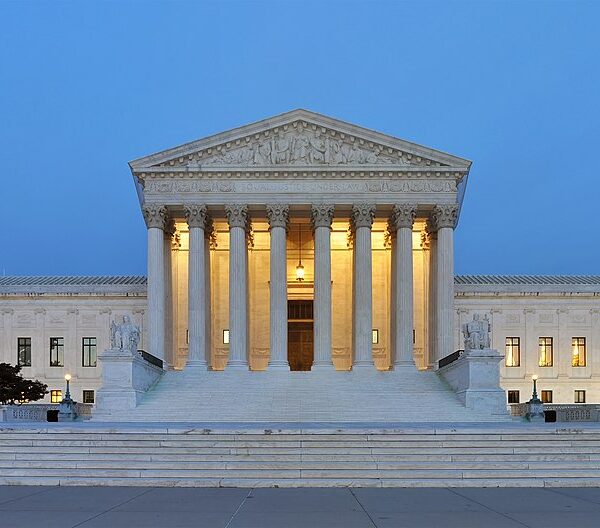
The HELP Committee consists of 12 Republicans and 11 Democrats. If all Democrats oppose the nomination, Dr. Means would need unanimous Republican support to move forward.
Two GOP senators — Lisa Murkowski of Alaska and Susan Collins of Maine — have not yet declared how they will vote.
Sen. Murkowski signaled concerns about vaccine oversight within the Department of Health and Human Services (HHS), which oversees the surgeon general’s office. She referenced previous assurances made during earlier confirmation proceedings and indicated she is evaluating how those commitments have been handled.
“These are issues that are important to me,” Murkowski told reporters following the hearing.
A spokesperson for Sen. Collins confirmed that she is still reviewing the nomination and has not made a final decision.
Vaccine Policy and Autism Research Discussed
A key moment during the hearing came during an exchange between Dr. Means and HELP Committee Chairman Sen. Bill Cassidy (R-La.), a physician himself.
Dr. Means stated that vaccines are an essential tool in combating infectious diseases but acknowledged that the medical community continues to research complex conditions such as autism.
“We do not yet fully understand all contributing factors behind rising autism diagnoses,” Means said. “As a medical community, we should continue studying the issue carefully and responsibly.”
She emphasized that she supports vaccination while also affirming that families should consult directly with their doctors when making medical decisions.
“As a physician, I believe vaccines save lives and are a critical component of public health strategy,” she testified. “At the same time, parents should have open conversations with their pediatricians about healthcare decisions affecting their children.”
Chairman Cassidy raised concerns about recent measles cases, whooping cough outbreaks, and a challenging flu season — underscoring the importance of clear national health leadership.
A Pattern of Scrutiny for Trump Health Nominees
Sens. Murkowski and Collins have previously taken independent positions on Trump administration health nominations.
Earlier last year, both signaled opposition to former Rep. Dave Weldon’s nomination to lead the Centers for Disease Control and Prevention (CDC), citing concerns over vaccine policy positions. That nomination was later withdrawn before a final Senate vote.
Their current undecided status suggests that public health policy — particularly around vaccines — remains a closely examined issue within the Republican conference.
What This Means for the Trump Administration
The surgeon general serves as the federal government’s leading public health communicator, shaping national messaging on disease prevention, medical research, and health guidance.
For President Trump, confirming his nominee would solidify leadership at HHS during a period of renewed public debate over medical transparency, parental rights in healthcare decisions, and the federal government’s role in public health policy.
If the nomination clears committee, it would proceed to the full Senate for a vote.
If not, the administration may need to reconsider its strategy.
Why This Vote Matters
With a narrowly divided Senate and increased scrutiny over federal health leadership, the outcome of this confirmation vote could signal how unified Republicans are on public health policy moving forward.
The coming days will determine whether Dr. Means secures the necessary support — or whether the nomination becomes another closely watched Senate battle.