Jeffries Calls Trump A Hypocrite
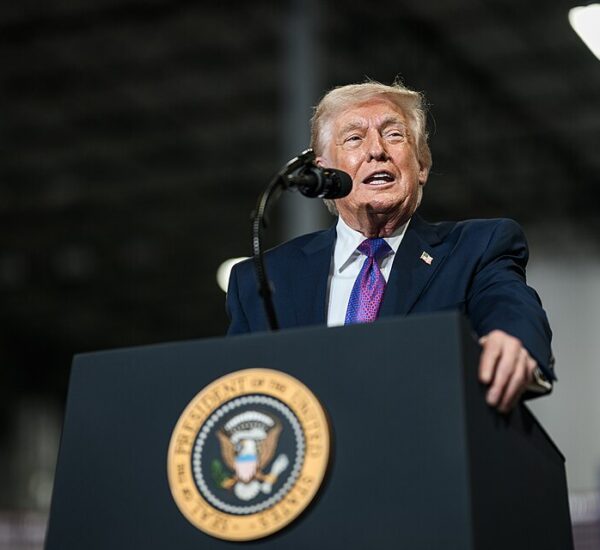
House Minority Leader Hakeem Jeffries (D-N.Y.) took aim at President Donald Trump on Tuesday, accusing him of hypocrisy over mail-in voting. But many conservatives say the criticism completely misses the bigger picture.
Speaking to reporters at the Capitol, Jeffries pointed out that Trump cast a mail-in ballot in a Florida special election—despite years of warning about election security concerns tied to mail-in voting.
Jeffries mocked the move, suggesting Trump was applying one set of rules to himself and another to the rest of the country.
What Trump Actually Opposes About Mail-In Voting
However, Trump’s position on voting has been widely misunderstood—or, critics say, deliberately misrepresented.
The president has consistently drawn a clear line between traditional absentee voting and mass, universal mail-in voting systems.
Trump’s ballot in Palm Beach County—home to his Mar-a-Lago residence—was submitted legally through the absentee process used by millions of Americans, especially seniors, military personnel, and those unable to vote in person.
Supporters argue that this is not hypocrisy—it’s a common-sense distinction about election integrity.
Why Election Integrity Is Back in the Spotlight
The debate comes as Trump increases pressure on Congress to pass stronger election laws aimed at restoring confidence in the system.
At the center of the push is the Save America Act, a proposal designed to tighten election rules nationwide.
Key provisions include:
- Requiring voter ID for federal elections
- Limiting widespread mail-in voting
- Cracking down on ballot harvesting
- Standardizing election procedures across states
For many older Americans, these reforms are seen as essential to protecting fair and secure elections.
Republicans Face Growing Pressure on Voting Laws
While grassroots conservatives largely support tougher election safeguards, some Republican lawmakers are facing political pressure.
Several GOP-led states expanded mail-in voting in recent years, creating tension between state-level policies and federal reform efforts.
Still, voters—especially those over 50—continue to rank election security as a top priority heading into future elections.
Democrats Push “States’ Rights” Argument—But Critics Call It Selective
Jeffries also criticized Republicans for backing federal election standards, arguing the party has long supported states’ rights.
But conservatives say that argument rings hollow.
They point out that Democrats have frequently supported federal overreach in elections when it benefits their side—raising questions about consistency.
The Bottom Line
For many Americans, this debate goes far beyond political talking points.
It comes down to a simple question:
Should elections prioritize convenience—or security?
As the 2026 election cycle heats up, that question is only becoming more urgent.